
TrafficTech-GH: Why is government taking 60% of fines it didn't invest in? Critics demand answers

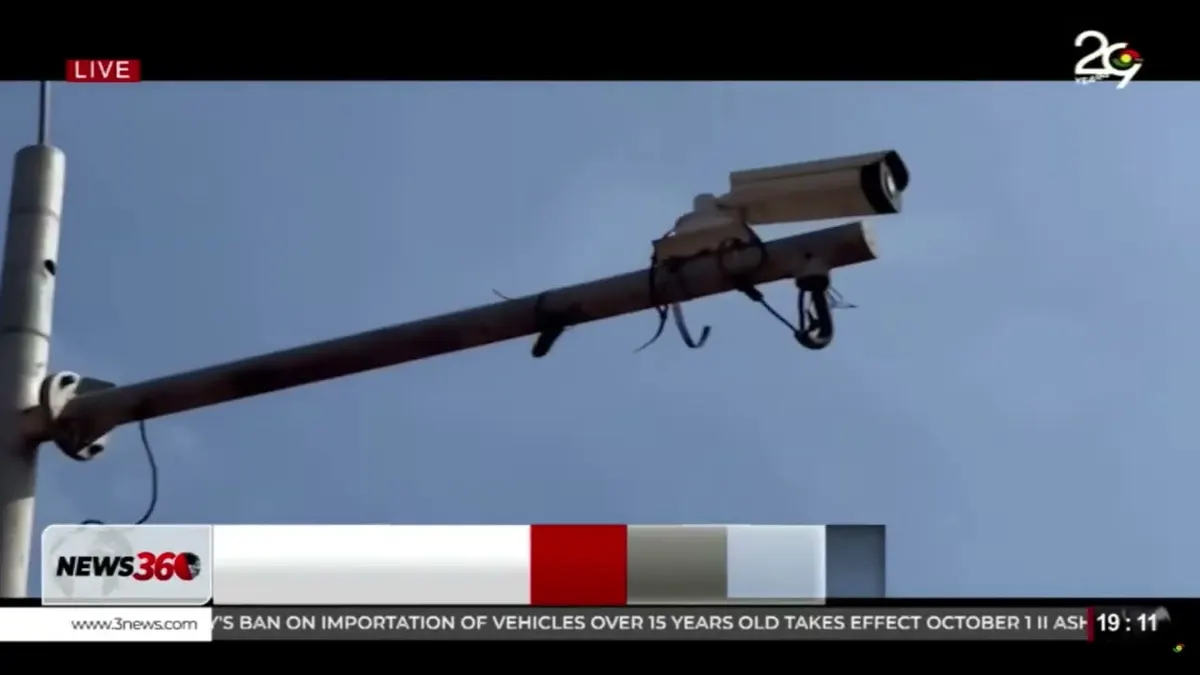
Ghana's newly launched automated traffic enforcement platform, TrafficTech-GH, is facing sharp scrutiny over a revenue-sharing arrangement that critics say raises uncomfortable questions about the government's true motivation — road safety or revenue generation. The system became operational on 1st November, with private investors funding its establishment, yet the government is entitled to 60 per cent of all fines collected from traffic offenders, leaving investors with just 40 per cent.
The concern: who benefits from your fine?
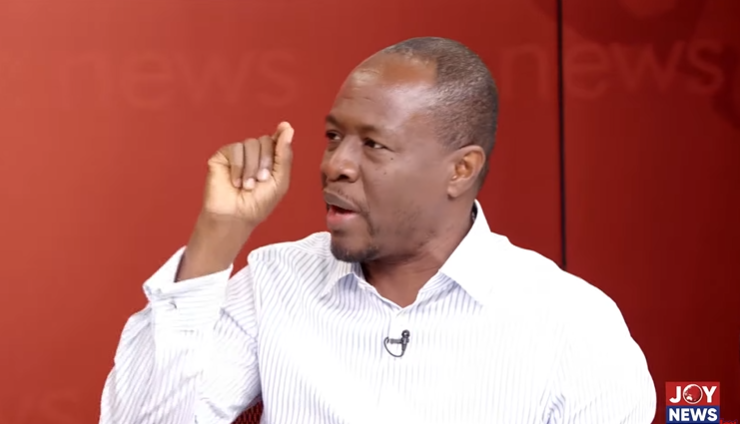
Former COCOBOD Director of Public Affairs, Fiifi Boafo, used his appearance on JoyNews' Newsfile on Saturday to push back against what he described as an inadequately explained financial arrangement. His central argument is straightforward: if private investors are bearing the cost of building and running the system, what exactly justifies the government's larger share of the proceeds?
"What is the 60% going to government for? Is it to raise money for government?" he asked pointedly. Mr Boafo was careful to stress that he was not opposed to private sector involvement in traffic enforcement — a model used in various countries — but insisted that Ghanaians deserve a clear and honest explanation of where the money goes.
He also raised the issue of timing. With Ghanaians already navigating high living costs, elevated utility bills and multiple tax obligations, he questioned whether this arrangement effectively places yet another financial burden on ordinary motorists who happen to violate traffic regulations.
"We are already overburdened. Must government now come to us and demand more?" he said.
What this means for Ghana
TrafficTech-GH is, on paper, a welcome development. Ghana's roads remain among the most dangerous on the continent, and automated detection systems have proven effective in other jurisdictions at reducing speeding, dangerous driving and other violations. The argument for technology-driven enforcement is strong, and few would dispute the need for firmer action on road safety.
However, the credibility and public trust of any such initiative depend heavily on transparency. When the financial structure of a road safety programme appears to prioritise government income over behavioural change, it risks being seen — rightly or wrongly — as a revenue scheme dressed in safety language.
Mr Boafo drew comparisons with other countries where governments directly finance similar systems, absorbing the cost themselves rather than creating a structure where fines effectively subsidise both private investors and the state. In those models, the deterrent effect is clearer because enforcement is not tied to revenue targets.
If the 60 per cent government share is earmarked for specific purposes — road maintenance, the Ghana Highway Authority, emergency services or accident victim support, for instance — that explanation has not been made sufficiently public. Mr Boafo acknowledged that if the revenue is genuinely intended to fund system operations and maintenance, the government should say so plainly.
Calls for transparency before trust
What Mr Boafo's intervention ultimately underscores is a broader issue of communication and accountability in public-private partnerships. Ghanaians have encountered several arrangements over the years where the financial terms of government-backed projects were either poorly explained or discovered long after implementation — sometimes to the public's detriment.
For TrafficTech-GH to earn genuine public buy-in, authorities must address three questions clearly: What specific purpose does the government's 60 per cent share serve? How will compliance and enforcement be monitored to ensure the system targets genuine offenders fairly? And what measurable road safety outcomes is the initiative expected to achieve within a defined timeframe?
Until those answers are provided, critics like Mr Boafo are unlikely to be the last voices calling the system's motives into question. Road safety is a cause most Ghanaians support — but not at the cost of feeling exploited in the process.
Source: MyJoyOnline




Comments (0)
Be the first to comment.