South Korea pledges support for Ghana's maternal health drive as KOICA meets health officials
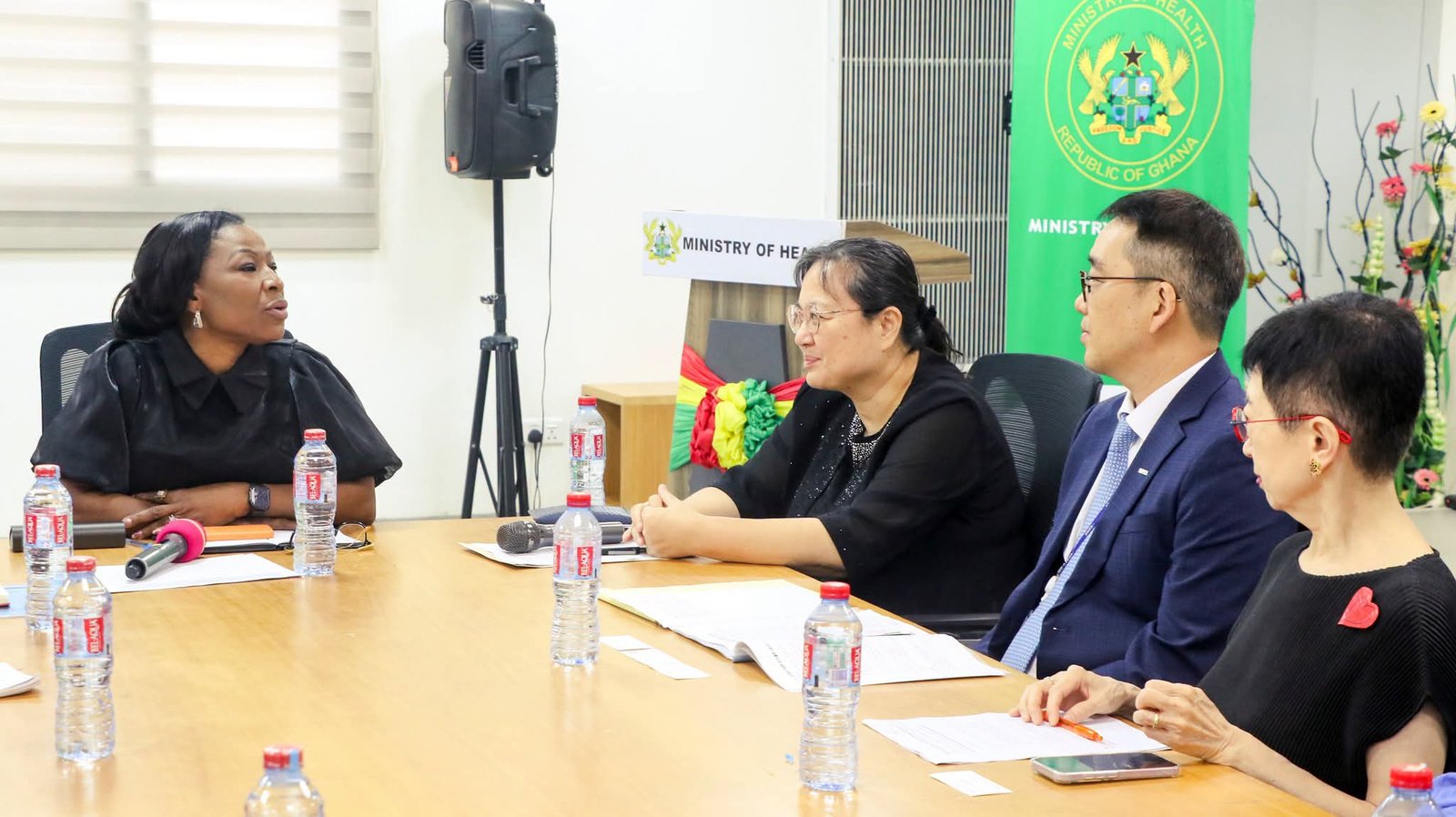
Ghana is set to receive renewed international support in its battle against maternal mortality, following a high-level meeting between officials from the Korea International Cooperation Agency (KOICA) and the country's Deputy Minister for Health. The delegation, led by KOICA Country Director Dong Wan Woo, met with Prof. Dr. Grace Ayensu-Danquah to chart out concrete areas of collaboration that could accelerate progress on one of West Africa's most pressing health challenges.
The discussions centred on Ghana's Maternal Mortality Action and Response Programme (MMARP), a strategic initiative designed to eliminate preventable deaths among pregnant women and new mothers. During the meeting, both parties identified key opportunities to strengthen healthcare infrastructure, bridge service delivery gaps, and ultimately improve survival rates for mothers across Ghana's regions.
Addressing critical gaps in maternal care
Maternal mortality remains a significant public health concern in Ghana, despite improvements in recent years. The meeting underscored the need to tackle systemic challenges that continue to claim lives—including limited access to quality antenatal care in rural areas, insufficient skilled birth attendants, inadequate emergency obstetric services, and delayed treatment of complications.
KOICA's involvement signals growing recognition that Ghana cannot achieve its health targets without sustained international partnership. South Korea has a track record of supporting African nations through capacity building, technical expertise, and infrastructure development. The collaboration is expected to focus on:
- Enhancing training for healthcare workers in maternal care protocols
- Improving access to essential medicines and medical equipment in underserved communities
- Strengthening data collection systems to monitor progress and identify problem areas
- Supporting community education programmes on maternal health awareness
Why it matters for Ghana
Ghana has made strides in reducing maternal mortality over the past two decades, but the country still falls short of global benchmarks and Sustainable Development Goal targets. Every year, preventable maternal deaths continue to affect families and communities, particularly in northern and rural regions where healthcare access remains limited.
International partnerships like this KOICA engagement are crucial because they bring not only financial resources but also technical knowledge, best practices, and accountability mechanisms. South Korea's healthcare system is among the world's most advanced, and technology transfer through such collaborations can help Ghana adopt proven strategies adapted to local contexts.
Furthermore, reducing maternal mortality has cascading benefits for Ghana's development—healthier mothers lead to healthier children, improved school attendance, and stronger economic participation by women. Achieving this goal also strengthens Ghana's standing within regional health initiatives under ECOWAS and supports the African Union's broader health agenda.
Looking ahead
The meeting represents a starting point for deeper engagement. Both parties are expected to develop a detailed partnership framework outlining specific projects, timelines, and resource commitments. Success will depend on effective coordination between KOICA, Ghana's Ministry of Health, regional health authorities, and grassroots health workers who implement change on the ground.
As Ghana continues to navigate competing health priorities and budget constraints, international partnerships that align with national goals—as this collaboration with South Korea does—offer a practical pathway to accelerating progress on maternal health and saving lives.
Source: The Ghanaian Times




Comments (0)
Be the first to comment.