Ghana launches PRIMER programme to strengthen maternal emergency care and save lives

Ghana has launched PRIMER, a comprehensive programme designed to enhance emergency obstetric care and maternal health outcomes for pregnant women across the country. The initiative, unveiled by Vice President Mahamudu Bawumia, represents a significant step towards reducing maternal mortality and improving healthcare access in underserved communities.
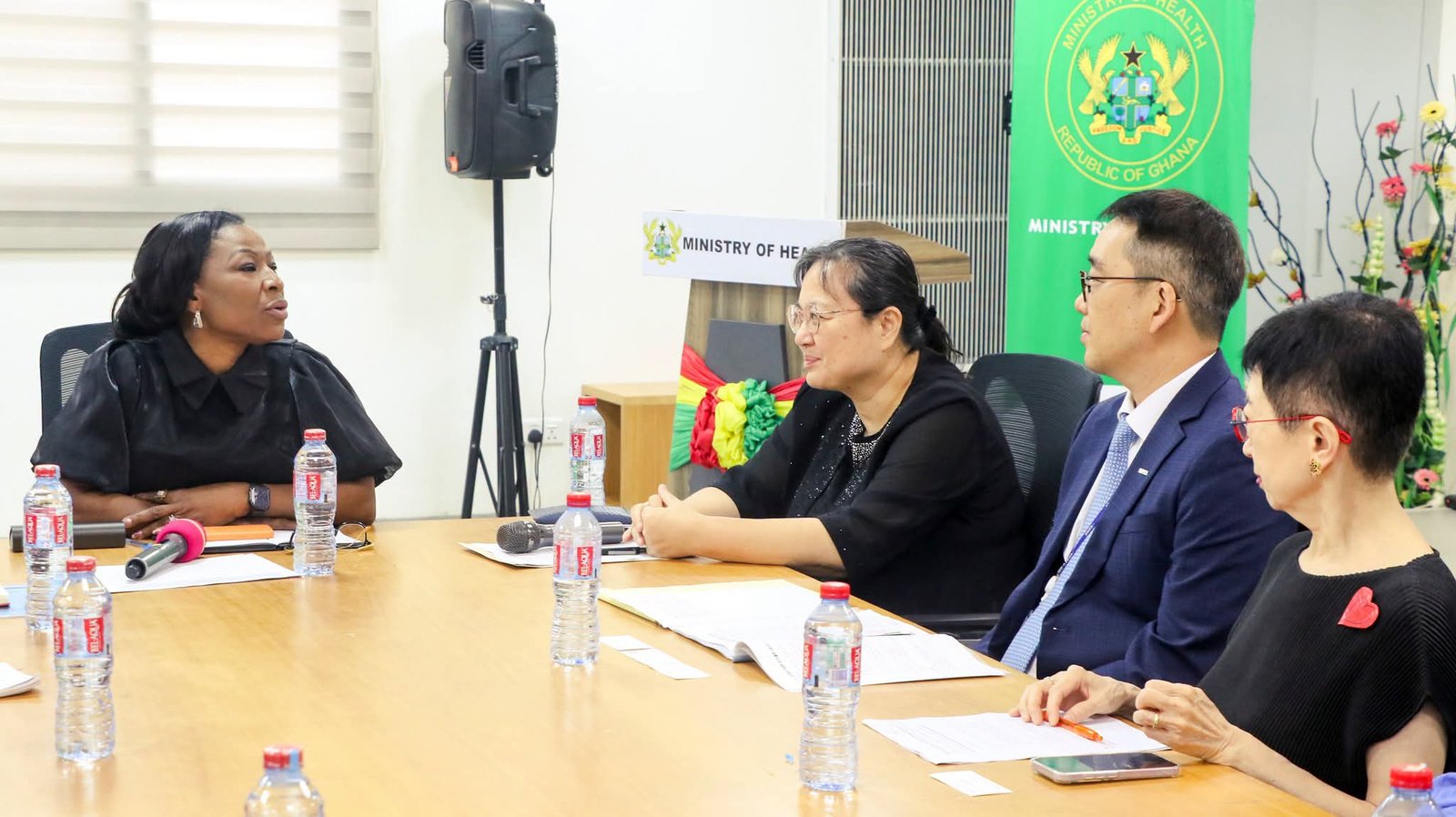
The Ministry of Gender, Children and Social Protection has committed substantial support to PRIMER, with Dr Agnes Naa Momo Lartey signalling the government's determination to tackle systemic barriers that delay or prevent pregnant women from accessing critical emergency care. The programme addresses deep-rooted inequalities and vulnerabilities that have historically compromised maternal health outcomes in Ghana.
Tackling maternal health disparities
Ghana continues to face challenges in maternal health, particularly in rural and semi-urban areas where access to quality emergency obstetric services remains limited. PRIMER aims to bridge these gaps by strengthening healthcare infrastructure, improving coordination between health facilities, and ensuring that pregnant women in emergency situations receive timely, life-saving interventions.
The initiative recognises that delays in accessing emergency care—whether due to distance, transportation barriers, or facility preparedness—contribute significantly to preventable maternal deaths and complications. By improving readiness and response capacity, PRIMER seeks to ensure that critical moments in obstetric emergencies are handled with maximum efficiency.
Why it matters for Ghana
Maternal mortality remains a critical public health concern in Ghana. Though the country has made progress in recent decades, disparities between urban and rural areas persist, with vulnerable populations facing the greatest barriers to care. PRIMER represents a targeted effort to address these inequalities and ensure that all pregnant women, regardless of location or socioeconomic status, can access emergency obstetric services when their lives depend on it.
The programme's focus on emergency care is particularly significant, as obstetric emergencies—including severe bleeding, infection, and hypertension complications—can develop rapidly and prove fatal without immediate medical intervention. By enhancing system-wide preparedness, Ghana aims to prevent unnecessary deaths during pregnancy, childbirth and the postpartum period.
The government's commitment through the Ministry of Gender, Children and Social Protection signals that maternal health is a national priority, with implications for broader healthcare system strengthening and women's health outcomes across the region.
Pathway forward
Implementation of PRIMER will likely involve training healthcare workers, improving equipment and supply chains at health facilities, establishing clearer referral pathways, and strengthening communication systems to expedite emergency response. Success will require coordination across multiple levels of the healthcare system and community engagement to ensure pregnant women understand when and how to seek emergency care.
The launch reflects Ghana's commitment to the Sustainable Development Goals, particularly SDG 3 on health and well-being, and contributes to broader continental efforts to improve maternal health outcomes across Africa.
Source: 3News



Comments (0)
Be the first to comment.