
South African AI breakthrough in clinical trials signals Africa's growing tech prowess in global health research
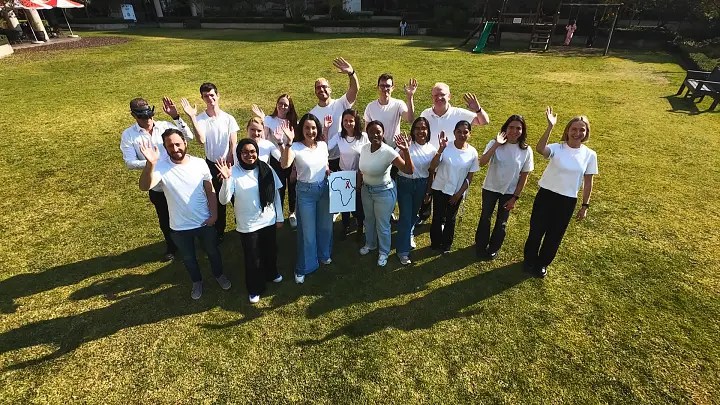

A Johannesburg-based clinical research company has secured global recognition for developing artificial intelligence technology that could transform how pharmaceutical and vaccine trials are conducted across Africa and beyond. BioInformatiCo's Leova platform placed second in the 2026 CDISC AI Innovation Challenge, marking a significant milestone for African-developed technology addressing a fundamental challenge in clinical research worldwide.
The platform automates the preparation of digital databases used to collect and manage data during clinical trials of new medicines and vaccines. This seemingly technical innovation addresses a genuine bottleneck: preparing and validating these systems currently requires 10 to 20 weeks of specialist manual work. Errors at this stage can compromise data quality, trigger costly rework and delay trials from reaching patients.
How Leova works and what it achieves
Built from the practical experience of running clinical trials across sub-Saharan Africa, Leova streamlines multiple steps into a single workflow. Researchers input their study protocol, and the platform automatically generates data collection forms, builds validation rules into the database and conducts simulated testing using deliberately designed scenarios to expose weaknesses before live trials begin. In one documented case, the platform reduced database testing and validation from five days of specialist effort to just one day.
Founder and CEO Shirley Collie emphasises that Leova combines automation with human expertise rather than replacing specialists entirely. BioInformatiCo pairs the platform with clinical data management support and oversight, ensuring the traceability and quality controls essential for clinical research. This hybrid approach reflects the reality that automating routine work frees experienced researchers to focus on higher-value activities.
Why this matters for Ghana and African research capacity
The global recognition of Leova carries significance beyond South Africa. For Ghana and other African nations, the achievement demonstrates that the continent can develop world-class solutions to problems that affect clinical research globally. This is particularly important as African countries work to build capacity for conducting their own clinical trials and generating evidence tailored to local health priorities.
BioInformatiCo currently supports trials ranging from first-in-human studies to Phase 3 vaccine research for infectious diseases including HIV, TB, Ebola and COVID-19. These are precisely the disease burdens that affect Ghana and sub-Saharan Africa most heavily. By automating time-consuming preparation work, platforms like Leova allow limited research funding to stretch further, helping African research organisations compete globally whilst maintaining rigorous scientific standards.
The timing of this innovation is significant given recent disruptions to medical research funding across the region. US funding cuts have impacted health programmes and clinical studies across South Africa and likely elsewhere on the continent, placing additional pressure on already stretched research ecosystems. Technology that reduces both hours and costs in clinical trial preparation becomes even more valuable in this environment, potentially enabling African researchers to maintain research momentum despite resource constraints.
Global expansion and future implications
BioInformatiCo is expanding internationally, with a US site launching soon and commercial discussions underway in Europe and Australia. The company plans to open a seed funding round to support Leova's next development phase. This expansion suggests growing international confidence in African-developed health technology and could position South African expertise as a global resource for clinical research infrastructure.
For Ghana's research community and policymakers, Leova exemplifies how African innovation can address continental health challenges whilst capturing global opportunities. As Ghana continues developing its clinical research capacity and attracting international pharmaceutical trials, technologies like this could become increasingly relevant to local institutions and research organisations seeking to improve efficiency and data quality.
Source: Ameyaw Debrah





Comments (0)
Be the first to comment.