Savannah conflict: 90% of displaced residents return home after government intervention
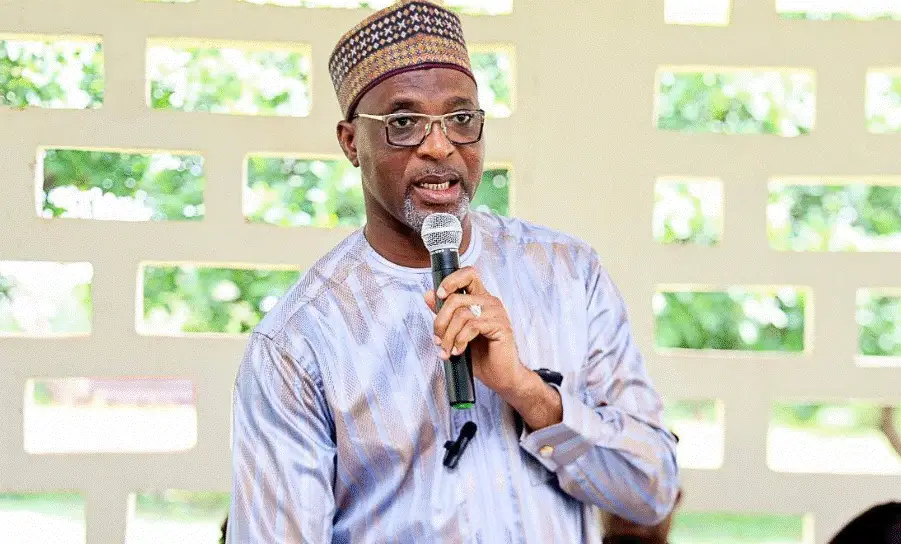
The Minister for the Interior, Mubarak Mohammed Muntaka, has announced a significant recovery from the conflict that ravaged Ghana's Savannah Region, with more than 90 per cent of displaced residents successfully returning to their homes within three months of government intervention.
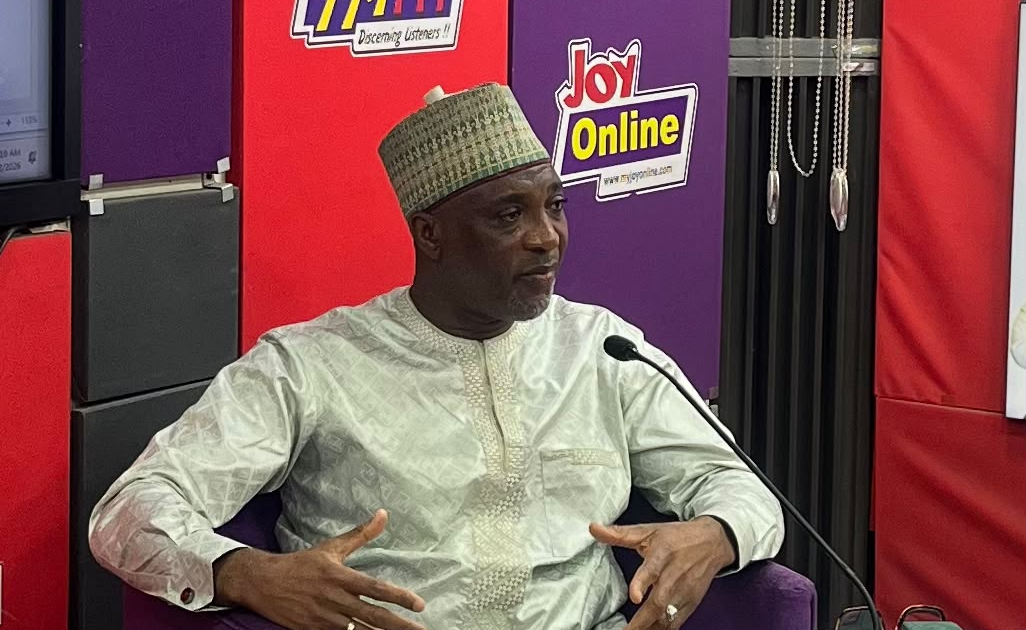
Speaking on Joy FM's Super Morning Show on Monday, October 12, the Minister revealed the scale of the crisis, noting that the violence had forced more than 40,000 people to flee their communities. Some sought refuge in neighbouring countries, including Côte d'Ivoire and Burkina Faso, whilst others relocated to urban centres within Ghana.
Security response and mediation efforts
Mr Muntaka described the escalating tensions as a major security challenge that demanded swift and multifaceted action. The government's response combined security operations, a strict curfew regime, and structured dialogue to contain the violence and create conditions for residents to return safely.
A key part of the strategy involved establishing a mediation committee tasked with addressing grievances and reducing tensions between the conflicting parties. "We set up the committee. We went into mediation. I mean, tempers were so high," Mr Muntaka explained, acknowledging how emotionally charged the situation had become.
Recognising that lasting peace required more than temporary measures, authorities established a standing committee to maintain ongoing dialogue between the communities. "We've set up a standing committee so they keep talking to each other," the Minister stated, indicating a commitment to preventing future escalation.
Why it matters for Ghana
The Savannah Region conflict represents one of Ghana's most serious internal security challenges in recent years. The displacement of tens of thousands of citizens strains national resources, disrupts economic activity, and threatens social cohesion in a region already vulnerable to cross-border security threats from jihadist groups operating in the Sahel. The successful return of 90 per cent of displaced persons within three months signals that Ghana's security and governance institutions can respond effectively to communal crises, a critical capability as the country navigates complex regional security dynamics.
The Minister noted that despite their violent disagreement, the affected communities shared deep historical connections. "They've intermarried; and then some misunderstanding comes, and it gets out of hand," he observed, highlighting how what began as a localised dispute escalated into a regional emergency.
Broader security improvements
Mr Muntaka used the opportunity to outline wider security gains across Ghana. He pointed to a marked reduction in the number of curfews imposed nationwide and highlighted a remarkable 150-day period without gunfire in Bawku, the Upper East Region town that has been a recurring flashpoint for communal and security-related violence.
The Minister's comments reflected a broader claim that Ghana's security environment has improved considerably since 2025. "Ghana is much safer even today than it was in 2025," he stated, suggesting that cumulative efforts across multiple regions are yielding results.
However, Mr Muntaka also took the moment to recognise the sacrifices of Ghana's security personnel in maintaining national stability. "Sometimes, until I became Minister, I didn't know how much our security people sacrificed for you and me to have the comfort that we are having," he remarked, underscoring the human cost of peace and security operations.
The successful resolution of the Savannah conflict demonstrates that patient dialogue, combined with appropriate security measures, can de-escalate even serious communal disputes. As Ghana continues to face multifaceted security threats from transnational terrorism, organised crime, and localised conflicts, the lessons from this intervention will likely inform future approaches to crisis management and conflict resolution.
Source: MyJoyOnline


Comments (0)
Be the first to comment.