
Rev. Wengam Concludes Four-Day Apostolic Mission in Ashanti East with Marathon Prayer Session
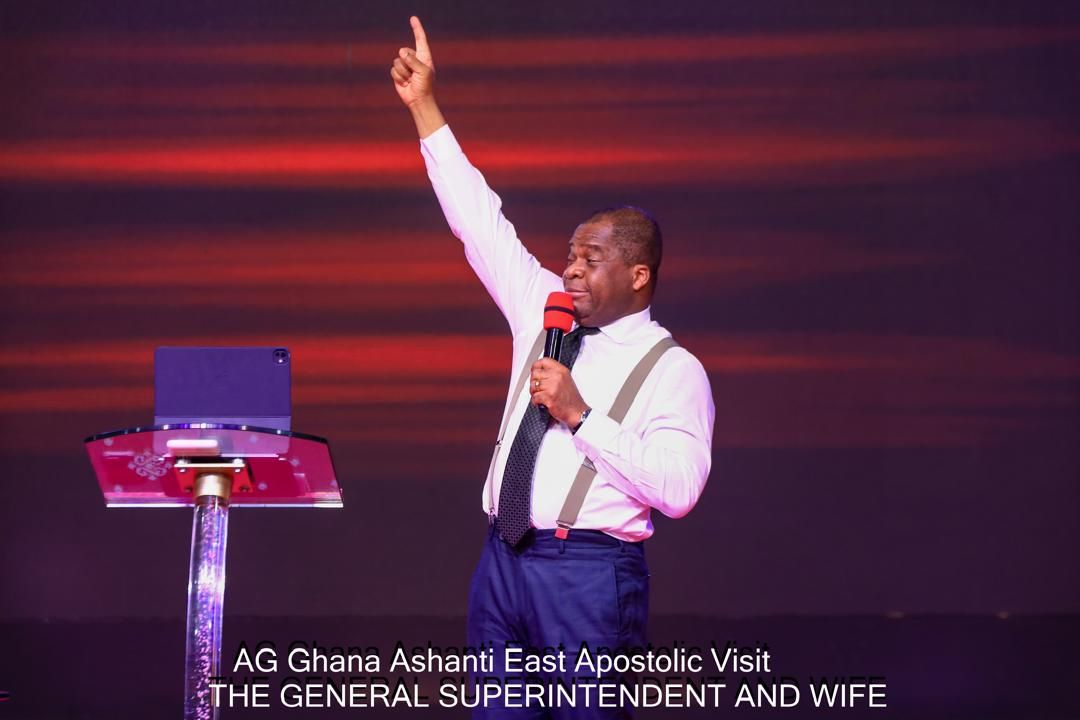

Rev. Stephen Wengam and his wife, Lady Monica Wengam, have concluded their fourth Apostolic Visit to Ashanti East with a significant three-and-a-half-hour prayer session dedicated to national and ecclesiastical renewal. The extended prayer gathering underscored the couple's commitment to spiritual leadership across Ghana's key regions and their focus on intercession for both government and Church institutions.
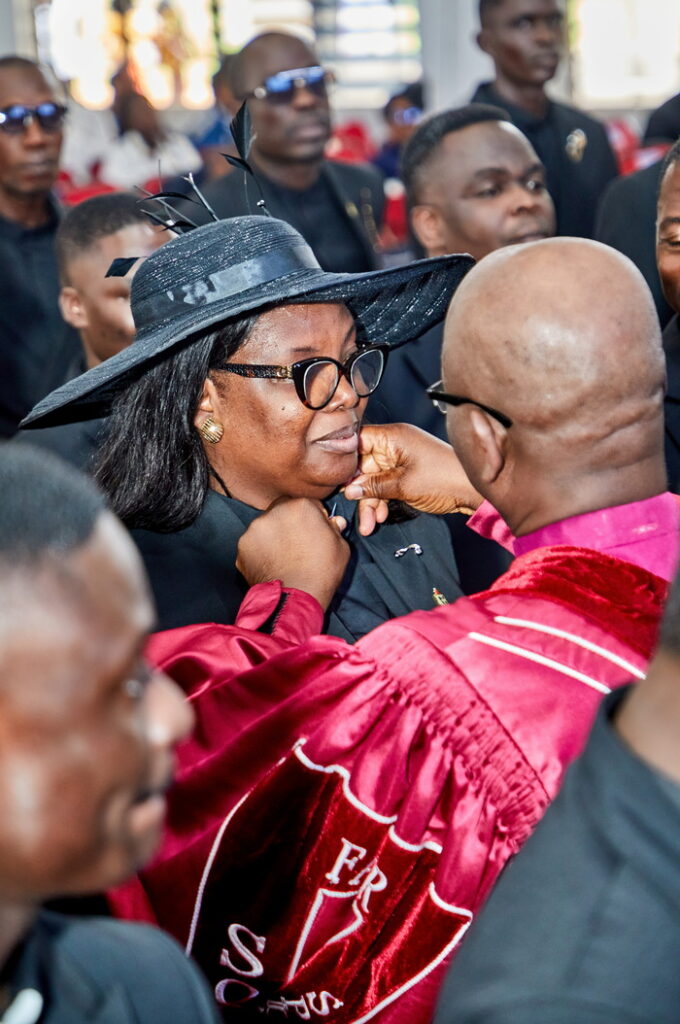
The Ashanti East campaign formed part of a broader pastoral outreach programme that has seen Rev. Wengam and Lady Monica traverse multiple regions, strengthening ties with local congregations and church leadership. During their stay, the couple prioritised honouring and recognising contributions from parish pastors and widows—groups often pivotal to community-level ministry but frequently overlooked in public acknowledgement.
A Pattern of Regional Engagement
The repetition of apostolic visits to the same region signals a deliberate strategy to deepen pastoral relationships rather than pursue one-off public relations campaigns. Ashanti East, a predominantly Christian region with significant Methodist and Pentecostal presence, has become a focal point for Rev. Wengam's ministry work. The four visits suggest a sustained commitment to understanding local church dynamics, addressing congregational needs, and fostering spiritual growth in communities that may lack regular contact with senior church leadership.
The inclusion of Lady Monica Wengam in these missions reflects evolving practices within Ghanaian religious circles, where spouses of church leaders increasingly take active roles in pastoral work, counselling, and community outreach—a shift from historical patterns where such roles were predominantly male-led.
Why It Matters for Ghana
Apostolic visits and regional church campaigns carry cultural and social significance within Ghanaian religious life. Many Ghanaians view such engagements as expressions of spiritual accountability and pastoral care. Extended prayer sessions, particularly those lasting several hours, resonate with Ghanaian Christian traditions that emphasise intensive intercession and endurance in faith practice.
The specific honouring of pastors and widows reflects acknowledgment of social realities within Ghana's church ecosystem. Pastors often work under resource constraints, whilst widows frequently represent vulnerable populations requiring church support. Public recognition of these groups can mobilise congregational support and draw attention to welfare needs within faith communities.
Furthermore, prayer sessions framed as national in scope—covering both governance and church matters—align with Ghana's tradition of religious leaders positioning themselves as intercessors for national wellbeing. This is particularly relevant given Ghanaians' historical reliance on spiritual leadership during periods of national transition or uncertainty.
The Broader Context
Religious leadership in Ghana carries both spiritual and social influence. Apostolic visits, regional campaigns, and prayer missions are standard practices through which church leaders maintain visibility, strengthen institutional networks, and reinforce their authority within faith communities. The Methodist Church, Anglican Church, Pentecostal Assemblies, and other denominations regularly conduct such programmes as part of governance and pastoral oversight.
The Ashanti region, encompassing Ashanti East, remains one of Ghana's most religiously active areas, with multiple competing denominations and established congregation networks. Maintaining pastoral presence and demonstrating commitment through repeated visits is essential for church leaders seeking to influence or strengthen institutional presence in such competitive religious markets.
Source: 3News


Comments (0)
Be the first to comment.