Political Parties Must Be Development Agents, Not Just Election Machines – NDC Chair
-1200x1338.webp)
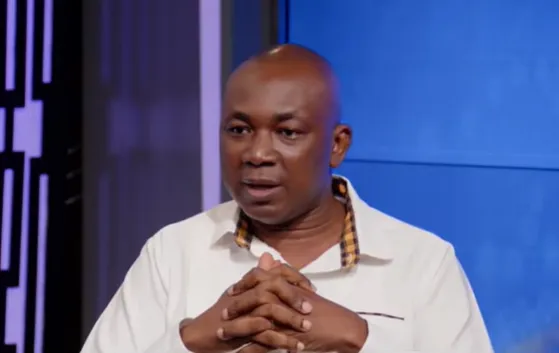
Ghana's National Democratic Congress General Secretary, Asiedu Nketiah, has issued a stark challenge to political parties across Africa, arguing that they have strayed from their core democratic mission. Instead of functioning as vehicles for genuine development and civic engagement, he contends that most African political organisations operate primarily as election-winning machines, a fundamental misalignment with democracy's deeper values.
Nketiah's critique reflects growing concerns within Ghana's political landscape about the nature of party politics in the country. Rather than developing comprehensive policy platforms that address pressing national challenges—economic development, healthcare, education, and infrastructure—political parties have increasingly focused their energies and resources on the mechanics of winning elections through campaign machinery and electoral strategies.
The Development Gap
The General Secretary's argument highlights a critical distinction between electoral success and democratic responsibility. A political party that concentrates solely on winning elections risks becoming disconnected from the constituencies it claims to represent. Such organisations often neglect the crucial work of policy formulation, community engagement, and long-term strategic planning that contributes to national progress between election cycles.
In Ghana's context, this observation carries particular weight. The country has experienced multiple peaceful electoral transitions, which is commendable, yet questions persist about whether elected governments have systematically addressed the platforms and promises their parties made to voters. The absence of robust inter-election engagement means citizens often feel abandoned once polling stations close.
Why It Matters for Ghana
Asiedu Nketiah's call resonates within Ghana because it speaks to a fundamental challenge facing the nation's democracy. If political parties function primarily as election machines rather than development agents, several consequences emerge: reduced accountability between elections, weak policy continuity across administrations, diminished public trust in institutions, and limited opportunities for citizens to participate meaningfully in governance outside campaign seasons.
Ghana's political parties—including the NDC, NPP, and smaller formations—have opportunities to demonstrate stronger commitment to democratic principles by investing in research institutions, engaging communities on policy issues, and maintaining active dialogue with constituents beyond election periods. Such engagement strengthens democracy's fabric and ensures that party politics translates into tangible improvements in citizens' lives.
Furthermore, repositioning African political parties as development agents rather than mere election-winning entities could enhance regional stability and prosperity. When parties focus on substantive governance and policy excellence, they contribute to better decision-making, improved institutional performance, and greater citizen confidence in democratic processes.
The Road Forward
The challenge now lies with Ghana's political leadership to internalize this critique and act upon it. This requires establishing think tanks, conducting regular consultations with constituents, publishing detailed policy papers, and demonstrating continuity in developmental vision regardless of which party holds power. It also demands that voters hold parties accountable not just during elections, but throughout their tenure in and out of office.
Asiedu Nketiah's intervention adds an important voice to ongoing conversations about the quality and maturity of Ghana's democracy, challenging political actors to elevate their contribution beyond securing votes to genuinely serving as instruments of national development.
Source: 3News


Comments (0)
Be the first to comment.