
Parliament urged to criminalise illegal truck parking as highway safety crisis deepens
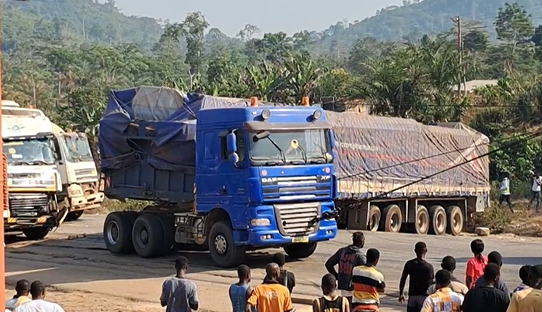

Ghana's Parliament is being pushed to enact a new law targeting the dangerous practice of heavy-duty trucks and haulage containers parking illegally along major highways, following mounting evidence that the habit is a leading contributor to fatal road accidents across the country.
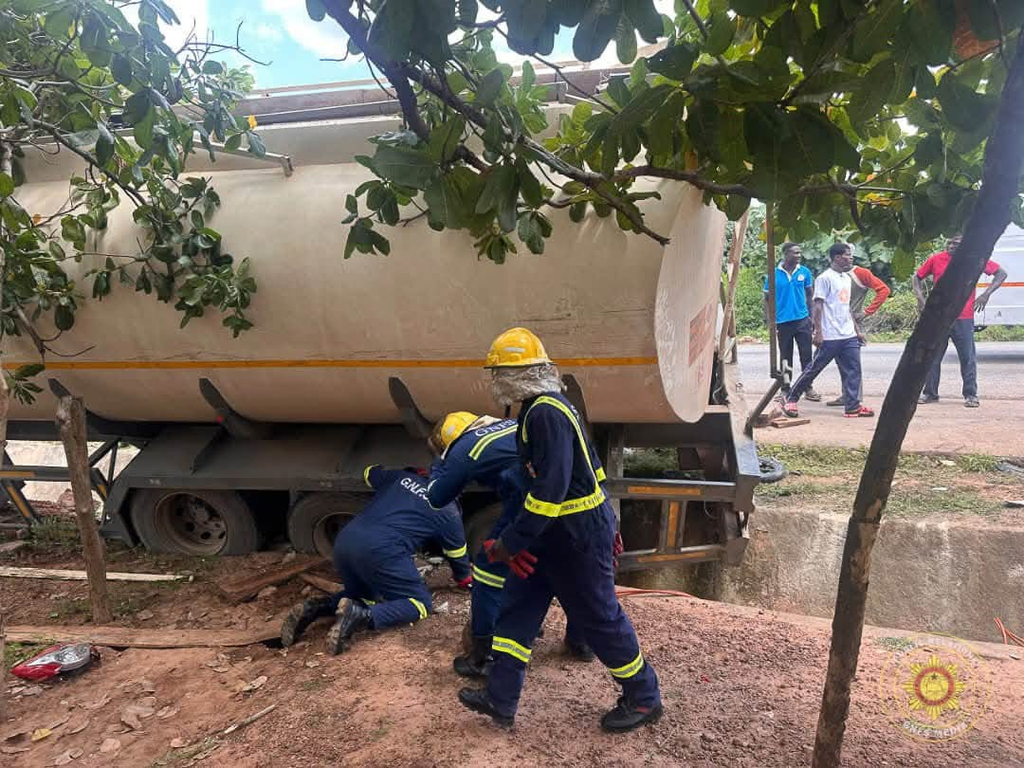
The call came from Berekum West MP Dickson Kyere-Duah, who raised the issue during parliamentary debate, warning that trucks left unattended on highway shoulders—particularly along the busy Accra-Kumasi corridor—pose an acute safety risk to other motorists. He stressed that the lack of adequate legal tools has allowed the problem to fester, with preventable collisions claiming lives at an alarming rate.
The proposal: enforcement with teeth
Kyere-Duah's legislative proposal aims to grant state agencies, likely including the National Road Safety Authority and the Ghana Police Service, explicit power to immediately impound any truck or heavy vehicle found parked illegally on highway shoulders. Critically, the framework would shift the financial burden to vehicle owners, requiring them to cover all towing costs and fines—a deterrent designed to make the practice economically unviable for operators.
The MP argued that current enforcement efforts lack the legal backing needed to act swiftly and decisively. Without a dedicated statute, authorities struggle to apply consistent penalties, and operators face few real consequences for leaving their vehicles in dangerous locations overnight or during breaks. Kyere-Duah's proposal seeks to close this gap by creating clear, enforceable rules with proportionate sanctions.
His remarks were echoed by Bibiani–Anhwiaso–Bekwai MP Bright Asamoah Brefo, who brought the broader highway safety crisis to Parliament's attention. Both lawmakers stressed that stronger legislation, combined with rigorous enforcement, is essential to reversing the trend of avoidable accidents caused by parked heavy vehicles.
Why it matters for Ghana
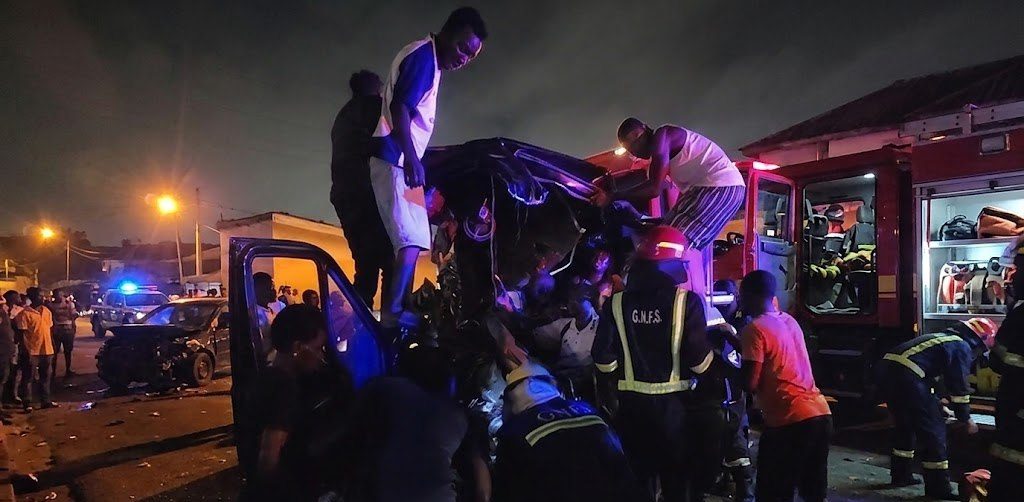
Ghana's road safety record remains a significant public health concern. The country consistently ranks among nations with the highest road fatality rates in sub-Saharan Africa, and commercial transport—particularly long-distance trucking—is a major factor in this toll. Many crashes occur at night or in poor visibility when parked trucks become invisible obstacles to unsuspecting drivers.
Beyond the human cost, these accidents impose enormous economic burdens through lost productivity, healthcare costs, and vehicle damage. For a developing economy reliant on road transport for goods and services, tackling preventable crashes directly supports broader development goals.
A dedicated law addressing illegal parking would represent a rare win-win: it protects public safety while creating enforceable standards that responsible haulage operators already follow. The proposal also reflects growing recognition in Parliament that road safety requires not just awareness campaigns but teeth in legislation—real consequences that change behaviour.
Next steps and challenges
For the proposal to become law, it must navigate parliamentary procedure and potentially be refined to address implementation concerns. Key questions include how quickly impounded vehicles can be returned, dispute resolution mechanisms if owners contest removals, and resource allocation for enforcement agencies already stretched thin.
Road safety advocates have long called for exactly this kind of intervention. If Parliament acts, the legislation could serve as a template for tackling other dangerous highway practices and signal a serious shift toward stricter traffic regulation in Ghana.
Source: The Ghana Report


Comments (0)
Be the first to comment.