Stationary Tricycle May Have Sparked Fatal 12-Death Ofankor Highway Pile-Up, NRSA Suggests
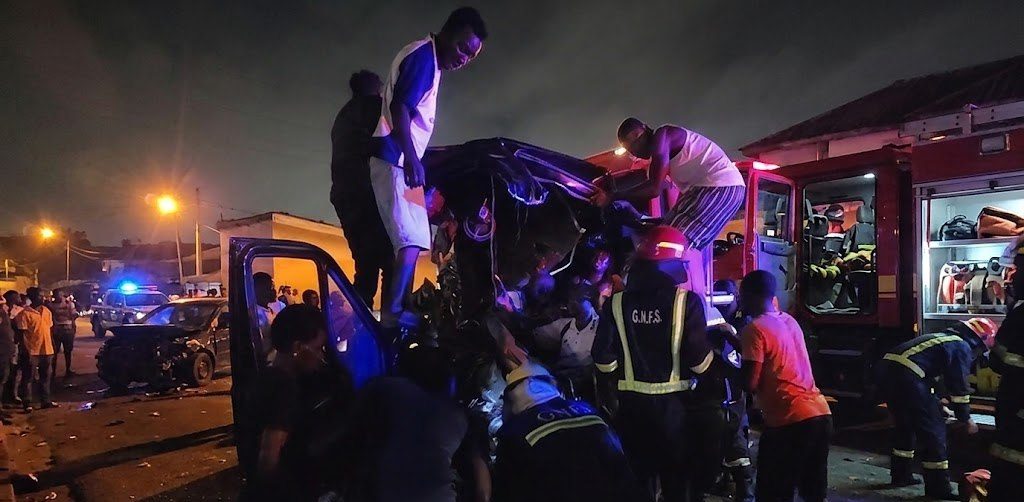
A broken-down tricycle abandoned on the Accra-Nsawam Highway may have set off a devastating sequence of collisions that claimed at least 12 lives in the early hours of Thursday morning at Ofankor Barrier, according to preliminary findings from the National Road Safety Authority.
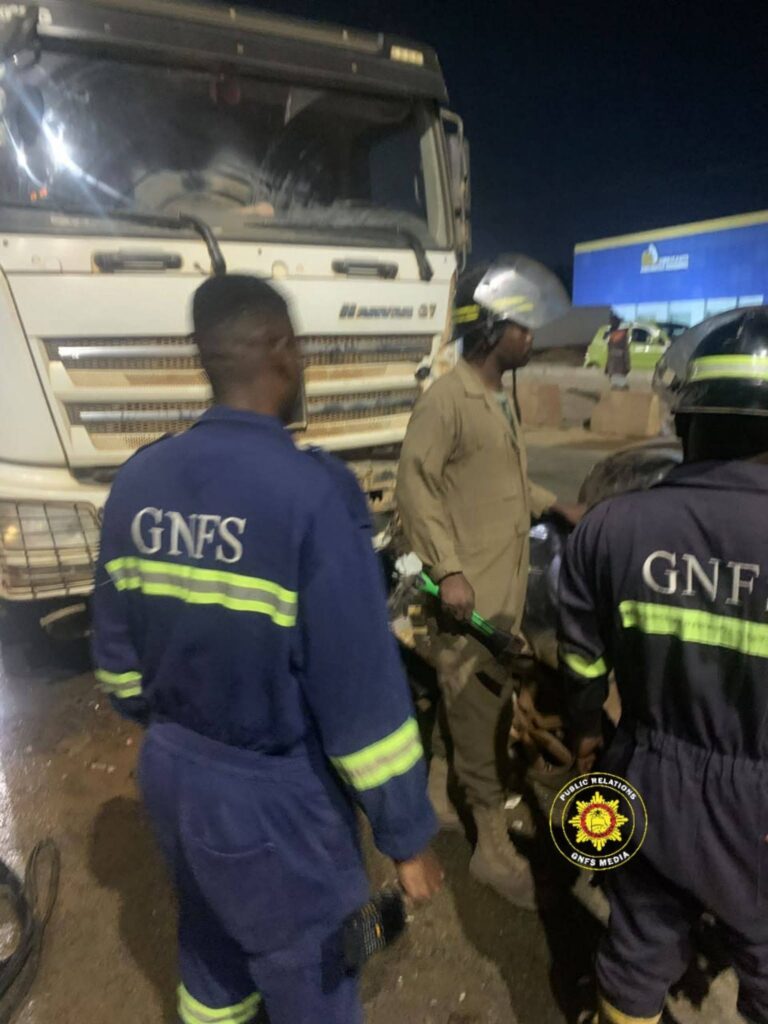
The incident, which involved seven vehicles near a sharp curve between Ofankor Barrier and the John Teye enclave, has left investigators piecing together the events that unfolded around 4 a.m. The NRSA's Senior Planning Manager, Felix Owusu, outlined a troubling pattern: a stationary tricycle prompted a sand-laden tipper truck to stop behind it, followed by two Sprinter buses carrying passengers. When a second tipper truck approached at high speed, the driver appeared unable to stop in time, crashing directly into the line of immobilised vehicles and triggering a catastrophic cascade of collisions.
The Chain Reaction and Scene Details
The seven vehicles caught up in the disaster included two tipper trucks, two Sprinter buses, two saloon cars and the disabled tricycle. Beyond the 12 confirmed deaths, another 22 victims sustained injuries and are currently hospitalised across multiple facilities receiving treatment.
The location of the crash—near a sharp curve on the highway—almost certainly played a role in the tragedy. Owusu noted that the road geometry likely limited the approaching tipper truck driver's reaction time, preventing him from seeing the stationary vehicles ahead and braking effectively. This combination of a blind spot caused by the curve and the unexpected obstruction created ideal conditions for disaster.
Investigation Underway; Conclusions Pending
Importantly, the NRSA has cautioned against treating its preliminary account as the definitive cause. Owusu stressed that current information relies heavily on bystander testimonies and scene observations, and that a full investigation remains ongoing. Investigators must now obtain detailed statements from surviving drivers and passengers to establish the precise sequence of events and identify all contributing factors.
The NRSA is awaiting a comprehensive police report before issuing official findings. This measured approach is standard practice in major road accidents, as eyewitness accounts alone can be unreliable, particularly in the chaotic aftermath of a multi-vehicle collision.
Why It Matters for Ghana
Ghana's road safety crisis continues to demand urgent attention. Multiple-vehicle pile-ups of this scale are not rare on the country's highways, and each incident exposes systemic vulnerabilities: inadequate emergency response infrastructure, poor road design, speeding enforcement challenges, and vehicle maintenance standards. The Ofankor crash highlights a specific risk—broken-down vehicles left on busy highways without proper hazard markings or warning systems pose a genuine public safety threat.
The NRSA's investigation will likely produce recommendations aimed at preventing similar tragedies. These could include enhanced protocols for managing disabled vehicles on highways, improved signage and lighting near accident-prone curves, and stricter enforcement of speed limits in high-risk zones. For commuters using the Accra-Nsawam route regularly, the incident is a sobering reminder of the dangers present on Ghana's roads and the importance of defensive driving practices.
The families of those who died and the injured hospitalised now await further clarity as investigators complete their work.
Source: The Ghana Report



Comments (0)
Be the first to comment.