Parliament must investigate own members fairly, warns parliamentary expert amid Afenyo-Markin controversy
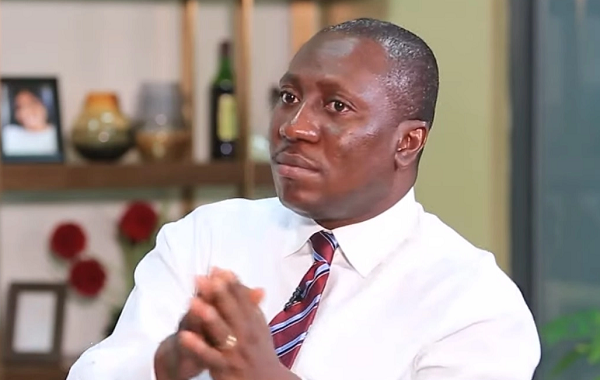
Ghana's parliamentary oversight system faces a credibility crisis if it fails to properly investigate allegations against its own members, according to Dr Rasheed Dramani, Executive Director of the Africa Centre for Parliamentary Affairs. Speaking on Joy News, Dr Dramani raised concerns about how Parliament handles misconduct claims, particularly in the context of a supermajority government where a strong opposition is essential for accountability.
The comments come as Minority Leader Alexander Afenyo-Markin faces accusations from GoldBod Chief Executive Officer Sammy Gyamfi, who alleged the MP was an "extortionist." Afenyo-Markin has denied the claims and threatened legal action, with the Office of the Special Prosecutor now conducting a preliminary assessment to determine whether a full investigation is warranted.
The integrity gap in Parliament
Dr Dramani emphasised that the real issue extends beyond one individual. The Minority Leader role carries particular importance in a supermajority parliament, where opposition figures must hold government accountable. "We need leaders with integrity," Dr Dramani stressed. "We need a minority with a very high level of integrity to be able to hold this supermajority and the executive accountable."
The parliamentary expert identified a troubling pattern: over years, allegations involving MPs have rarely reached clear resolutions. Instead, partisan solidarity often overrides accountability. When one MP faces allegations, their entire caucus tends to rally around them without critically examining the substance of the claims. This approach undermines public trust in the institution itself.
Dr Dramani also highlighted a glaring double standard. Parliament scrutinises the Executive vigorously—the Public Accounts Committee alone held 31 public hearings in 2024 and made over 1,000 recovery recommendations. Yet when allegations concern Parliament's own members, the institution struggles to apply the same rigour. The political cost of investigating colleagues—built on years of relationships and networking that shape future ministerial appointments—often encourages silence rather than scrutiny.
Why it matters for Ghana
Parliamentary integrity directly affects Ghana's democratic health. A supermajority government requires a strong, credible opposition to function as a check on executive power. If the Minority Leader and opposition members face unresolved allegations that appear to be dismissed along partisan lines, confidence in Parliament's ability to hold power accountable erodes. Citizens become cynical about whether their representatives are genuinely serving the public interest.
The challenge also reflects broader governance questions: Does Ghana have institutional mechanisms to investigate and resolve misconduct allegations fairly, or do political networks routinely trump accountability? How can Parliament regain public confidence if serious allegations disappear into procedural limbo?
A path toward resolution
Dr Dramani welcomed Afenyo-Markin's decision to pursue legal remedies but argued Parliament needs a more robust, transparent process. He proposed that if Parliament establishes an investigative committee, it should include not only MPs but eminent external figures. Such a mixed committee would signal genuine commitment to fairness and help restore institutional credibility.
Critically, any investigation must reach a definitive outcome. "We see a clear path from this allegation to a clear resolution," Dr Dramani said, "and if there are sanctions, let them be applied; if there are exonerations, let those happen." Without such clarity, Parliament risks deepening public mistrust—a dangerous outcome in a democracy where legislative legitimacy depends on public confidence.
Source: MyJoyOnline
Comments (0)
Be the first to comment.