NPP Demands Equal Justice As Party Protests Selective Accountability At Democracy Rally
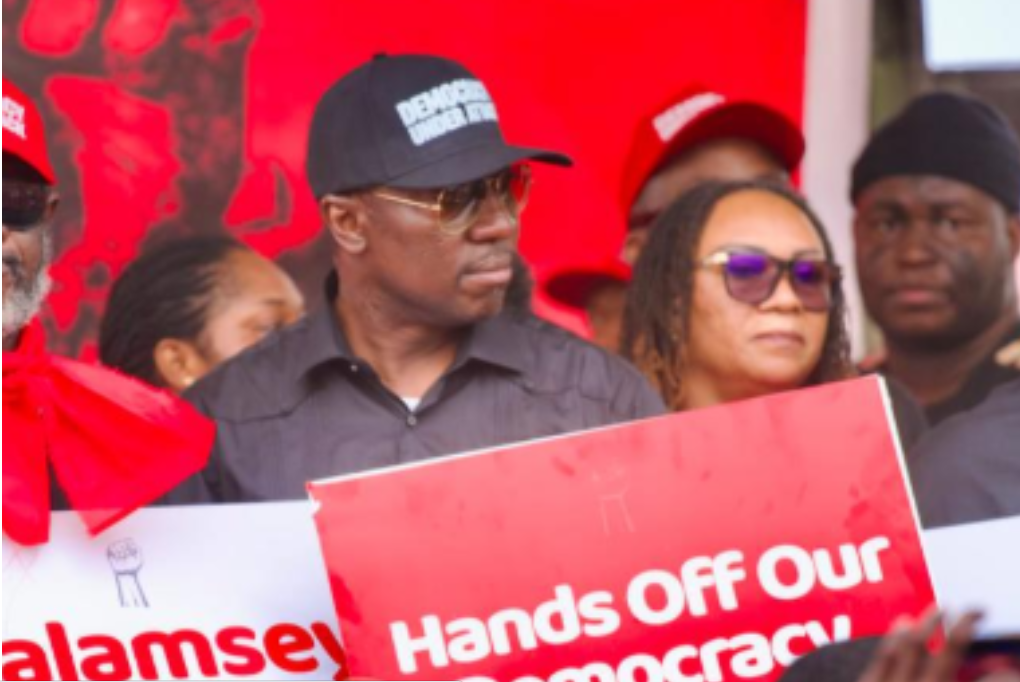
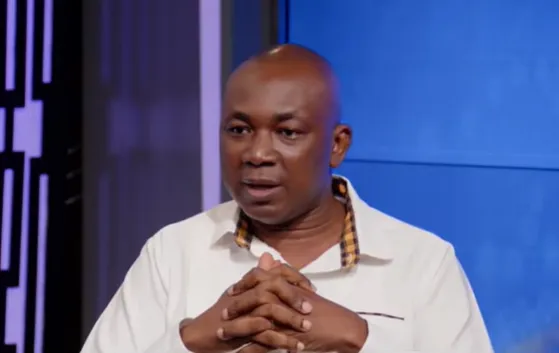
The New Patriotic Party (NPP) has drawn a line in the sand regarding what it perceives as unequal application of the law in Ghana, using a high-profile democracy demonstration to spotlight concerns about targeted enforcement against its members. Speaking at a "Democracy Under Attack" rally, party spokesperson Afenyo-Markin articulated a nuanced position: the NPP supports accountability for wrongdoing, but rejects what it characterises as a pattern of selective justice that disproportionately affects opposition figures.
At the heart of the party's grievance is the conduct of state investigative and security agencies. The NPP alleges that several of its members have been arbitrarily arrested, detained, and subjected to what it describes as harassment by these government bodies. The party's messaging suggests these actions represent a weaponisation of state institutions against political opponents—a serious allegation in any democracy, but particularly sensitive in Ghana where institutional independence remains a recurring concern in political discourse.
The Accountability Argument
Afenyo-Markin's framing is strategically important: the party is not blanketly opposing investigations or prosecutions. Instead, the NPP is calling for consistent, equitable application of the law across the political spectrum. This distinction matters because it allows the party to position itself as pro-justice while criticising government conduct. The underlying message is that if certain actions warrant investigation when opposition members commit them, identical conduct by government officials should face identical scrutiny.
The NPP's decision to raise these concerns at a "Democracy Under Attack" event amplifies the stakes beyond internal party politics. By framing selective justice as a democratic concern rather than merely a partisan complaint, the party is attempting to appeal to broader civil society anxieties about institutional impartiality and the rule of law.
Why It Matters for Ghana
Ghana's democratic reputation depends significantly on the perceived fairness of its institutions. International observers and local civil society organisations regularly monitor whether security and investigative agencies operate independently or serve partisan interests. When major opposition parties publicly allege selective justice, it raises questions about institutional health that extend beyond day-to-day politics.
The allegations also intersect with Ghana's ongoing discussions about checks and balances. If state agencies are being directed to target specific political opponents, this suggests either that political leadership is misusing security apparatus or that these agencies lack sufficient independence. Either scenario represents a governance concern that should interest all Ghanaians committed to democratic norms, regardless of party affiliation.
Additionally, the NPP's public stance may influence how civil society and international observers assess Ghana's democratic trajectory. Documented instances of arbitrary arrest or harassment could damage Ghana's standing as a democratic anchor in West Africa—a status the country has cultivated and benefited from in terms of regional influence and international partnerships.
The Broader Context
Ghana's democracy has weathered significant challenges and generally remained resilient compared to regional peers. However, tensions between ruling and opposition parties over institutional use have periodically surfaced. This latest protest reflects ongoing anxieties about whether Ghana can maintain non-partisan security and investigative agencies—a hallmark of mature democracies.
The NPP's emphasis on equal treatment under law rather than blanket opposition to accountability suggests room for constructive engagement. If specific allegations of arbitrary arrest can be documented and addressed through proper channels, it could reinforce rather than undermine democratic institutions. Conversely, if such allegations remain unresolved, they risk eroding public confidence in the impartiality of Ghana's security sector and judicial system.
Source: 3News
Comments (0)
Be the first to comment.