Pan-African Parliament unveils three landmark model laws to strengthen continental governance
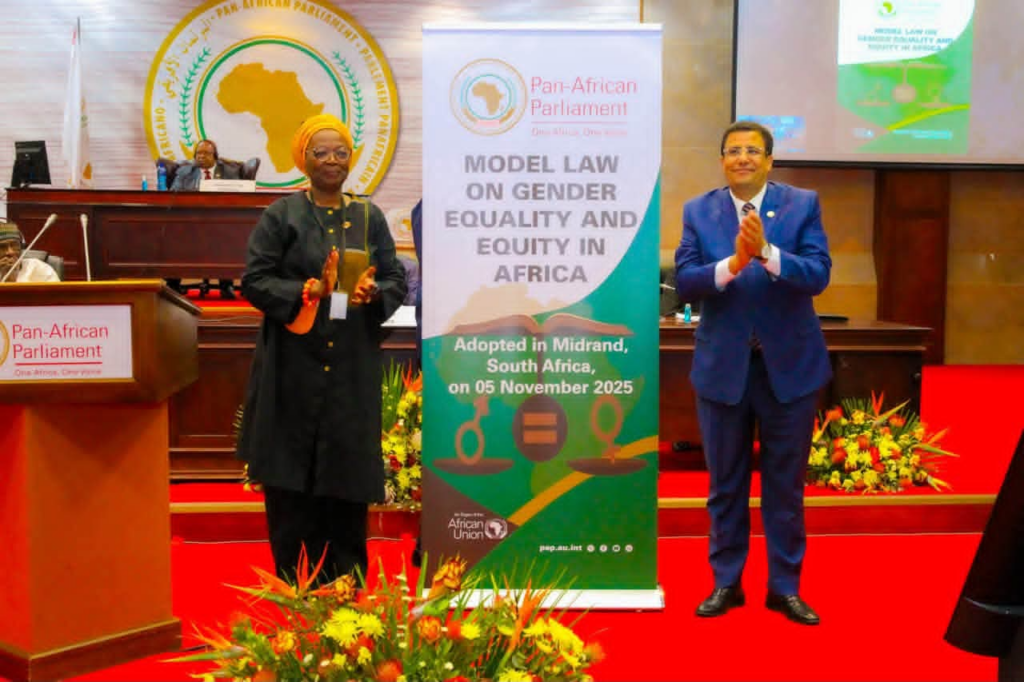
The Pan-African Parliament has released three Model Laws designed to help African Union member states, including Ghana, standardise their national legislation and accelerate progress towards Agenda 2063, the continent's blueprint for sustainable development and integration.
The framework was introduced at the Conference of Speakers of African National and Regional Parliaments in Midrand, South Africa, which concluded on 1 August 2026. The three areas covered are gender equality and equity, labour migration, and sustainable soil management—all critical priorities that affect millions of Africans, including Ghanaians.
What the model laws address
The Model Law on Gender Equality and Equity aims to expand opportunities for women, boost their participation in governance and business, eliminate gender-based violence and discrimination, and ensure young people and persons with disabilities have a stronger voice in national decision-making processes. For Ghana, where women remain underrepresented in parliament and senior roles, such a framework could provide a tested legal template.
The labour migration instrument establishes a harmonised legal approach across African borders for safe, orderly and regular labour movement. It emphasises fair hiring practices, worker protection, social security coverage and regional cooperation aligned with international labour standards. This is particularly relevant to Ghana, a major source of migrant workers within West Africa and beyond, where protections for workers abroad remain inconsistent.
The sustainable soil management law provides member states with guidance on combating soil degradation, improving agricultural productivity, strengthening food security and building climate resilience. Ghana's agricultural sector—employing millions and central to rural livelihoods—faces pressures from soil erosion and climate variability, making this model law potentially valuable for policy reform.
Why it matters for Ghana
As a member of the African Union and a nation with parliamentary representation at the Pan-African Parliament, Ghana can adopt or adapt these model laws to address gaps in its own legislation. Rather than developing frameworks from scratch, member states can draw on continental expertise and best practice.
For Ghana specifically, harmonising labour migration laws with neighbours like Côte d'Ivoire, Nigeria and Burkina Faso could provide better protection for the estimated millions of Ghanaians working abroad. Similarly, stronger gender equality legislation could accelerate women's economic participation—a key focus of Ghana's own development agenda. And soil management frameworks could strengthen the country's response to agricultural challenges and climate change.
The Pan-African Parliament emphasised that these are not binding laws but practical tools designed to respect each nation's sovereignty and legal traditions. Adoption is voluntary, but the intent is for parliaments to use them as templates for legislative reform.
The broader agenda
These model laws form part of efforts to advance Agenda 2063, Africa's long-term development strategy aimed at building an integrated, prosperous and peaceful continent. By creating common legislative frameworks, the AU seeks to reduce barriers to regional integration, improve policy consistency and speed up implementation of continental priorities.
Ghana's parliament will need to assess which of these frameworks fit its priorities and legal structure. Given the nation's role in West African leadership and its commitments to gender equality, worker protection and agricultural sustainability, there is likely significant scope for application.
Source: MyJoyOnline


Comments (0)
Be the first to comment.