
UN and African Union Must Unite More Firmly to End Africa's Conflicts, World Body Warns
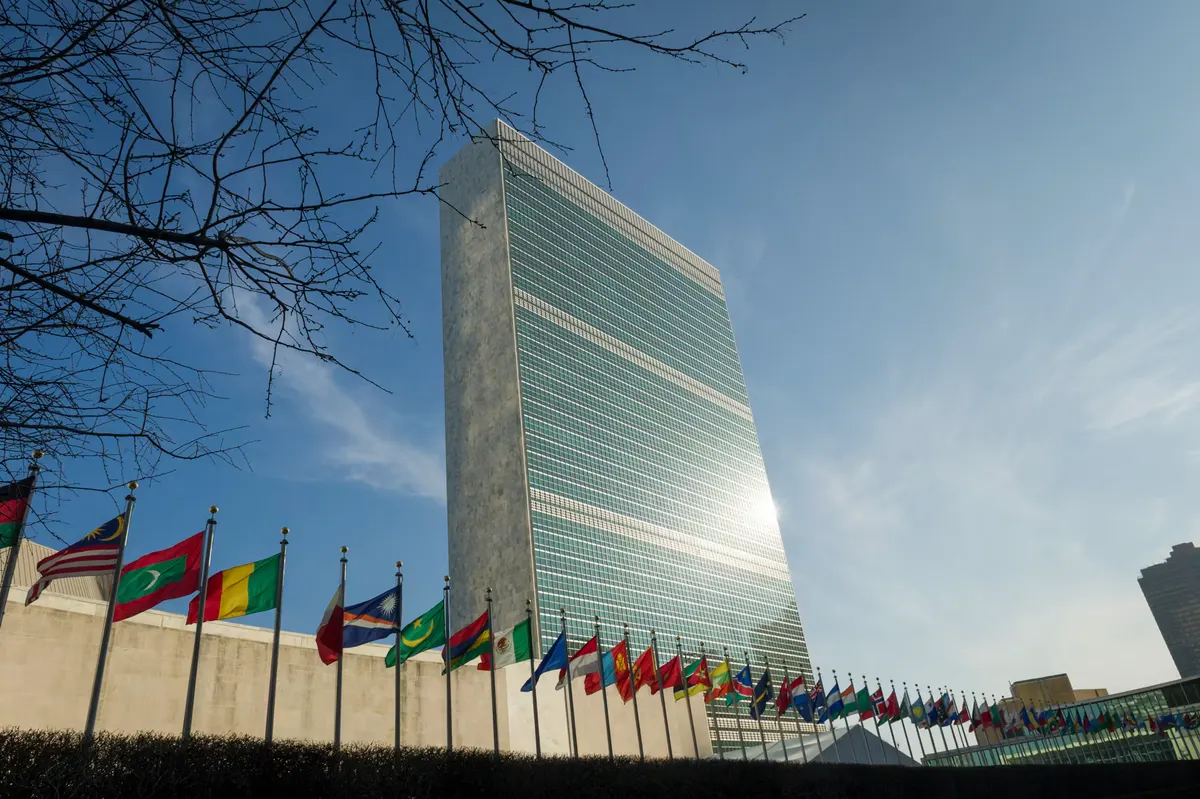

The United Nations has issued a clear call for deeper collaboration with the African Union (AU), arguing that the breadth and complexity of crises currently engulfing parts of the African continent demand a far more coordinated and decisive joint response. The world body is pushing for renewed emphasis on conflict prevention, mediation, and swift — yet accountable — action wherever instability threatens civilian lives and regional stability.
A continent under pressure
Africa is currently home to several active conflict zones that are straining both regional and international response mechanisms. From the protracted crisis in Sudan — where millions have been displaced in what has been described as one of the worst humanitarian emergencies in the world — to ongoing instability in the Sahel region, eastern Democratic Republic of Congo, and parts of the Horn of Africa, the challenges are neither isolated nor simple.
The UN's position reflects a growing recognition that no single institution can manage these overlapping crises alone. The African Union, as the continent's principal political and security body, and the United Nations, with its global mandate and resources, are seen as natural partners — yet critics have long pointed out that coordination between the two organisations has sometimes been slow, underfunded, or undermined by competing priorities.
Prevention, in particular, has emerged as a central theme. Rather than deploying peacekeepers only after violence has already erupted, the UN is advocating for early warning systems, diplomatic engagement, and political dialogue to stop conflicts before they spiral out of control. Mediation efforts — bringing warring parties to the table — are also being highlighted as a more cost-effective and humane alternative to prolonged military intervention.
Why it matters for Ghana
For Ghana, these developments carry direct and immediate relevance. Ghana shares borders with Burkina Faso and Côte d'Ivoire, two countries that have experienced significant instability in recent years. The security situation in Burkina Faso, in particular, has deteriorated sharply, with jihadist groups pushing ever closer to Ghana's northern frontier. Ghanaian security analysts and government officials have repeatedly flagged the risk of spillover violence into the country's Upper West, Upper East, and Savannah regions.
Ghana is also a longstanding contributor to UN and AU peacekeeping missions across the continent, meaning any shift in how those missions are structured, funded, or mandated will directly affect Ghanaian soldiers serving abroad. The country has historically been respected as a stable democratic voice in West Africa, and Accra has occasionally played a mediating role in regional disputes — a tradition that aligns closely with the UN's renewed push for diplomacy-first approaches.
Furthermore, as a member of the Economic Community of West African States (ECOWAS), Ghana operates within a regional framework that itself intersects with AU peace and security architecture. Strengthening the UN-AU partnership could mean more resources, better intelligence sharing, and clearer chains of command in responding to West African crises — all of which benefit Ghana's broader security environment.
The road ahead
The United Nations' call is not new in spirit, but the urgency behind it appears sharper than before. Years of underfunded peacekeeping operations, delayed political responses, and a lack of accountability for atrocities have exposed the limitations of the current system. Both the UN and the AU face pressure from member states and civil society groups to demonstrate that multilateral diplomacy can still deliver tangible results for ordinary people caught in conflict.
For West Africa and for Ghana specifically, the hope is that a reinvigorated UN-AU partnership will translate into more effective early intervention in neighbouring states — reducing the risk that instability travels across borders and undermines the relative peace and democratic progress Ghana has worked hard to maintain.
- Prevention focus: The UN is prioritising early mediation over reactive military deployment in African conflicts.
- Ghana's exposure: Instability in Burkina Faso and the broader Sahel poses a real security risk to Ghana's northern regions.
- Peacekeeping stakes: Ghana's active role in AU and UN missions means structural reforms will directly affect its troops abroad.
Source: 3News


Comments (0)
Be the first to comment.