
Algeria breaks 53-year military tradition with Niger deployment; what it means for West African stability
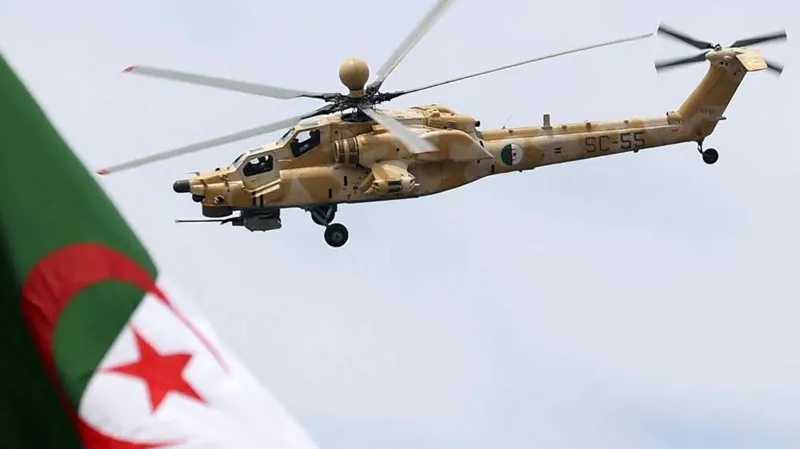

Algeria has taken a historic step by authorising its first foreign military deployment in over five decades, marking a significant departure from its long-standing isolationist defence policy. The North African nation will send troops to Niger following parliamentary approval, with 148 of 174 senators voting in favour in an emergency session on Sunday, followed by backing from the lower house. This move represents the first practical application of a 2020 constitutional amendment permitting overseas military operations.
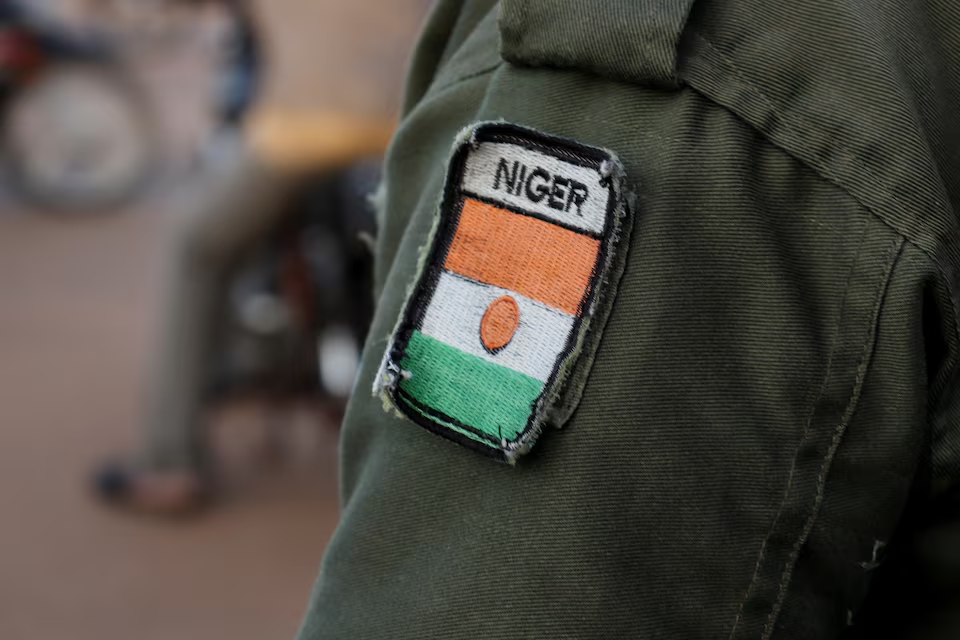
The deployment follows a visit by Niger's defence minister to Algiers and responds to Niger's battle against armed groups operating across the Sahel, many affiliated with al-Qaeda or Islamic State. Algerian senator Belkacem Boulghiti stressed that the mission focuses on securing economic infrastructure rather than direct combat operations, emphasising Algeria's protective rather than aggressive intent.
Economic interests driving the intervention
Algeria's decision is deeply rooted in its substantial economic stakes in Niger. The country is developing a major gas pipeline project intended to transport Nigerian gas through Niger to Algeria, with northern energy facilities near the Libyan border requiring security assurance. Beyond pipeline interests, Algeria's state-owned energy company Sonatrach has signed an agreement with Niger's petroleum ministry to explore oil reserves in the Kafra region, with two exploration wells alone estimated to contain 168 million and 100 million barrels respectively.
These energy projects underscore how security concerns and commercial interests are intertwined in Algeria's foreign policy recalibration. The protection of critical infrastructure has become essential as militant groups threaten operations across the Sahel region.
Rebuilding ties after diplomatic tensions
The deployment also reflects improved relations between the two nations following a period of strain. In 2025, Niger recalled its ambassador to Algiers after Algeria shot down a Malian drone near its border, an incident that prompted solidarity gestures from Niger towards Mali, its military-ruled neighbour. Earlier, Algeria had condemned the 2023 coup that removed Niger's elected President Mohamed Bazoum, bringing General Abdourahamane Tchiani to power.
However, recent diplomatic moves have warmed bilateral ties considerably. General Tchiani visited Algeria in February 2026, and later that August, Algerian President Abdelmadjid Tebboune demonstrated his commitment by sending fighter jets to help Niger suppress a coup attempt and donating four military helicopters.
Why it matters for West Africa and beyond
Algeria's decision carries broader implications for regional stability and the balance of power in the Sahel. As a major African economy and energy producer, Algeria's willingness to deploy military forces abroad signals a shift towards more active regional engagement. This comes at a time when the Sahel faces intensifying security challenges, with extremist groups exploiting state weakness and ungoverned spaces.
For West Africa, Algeria's move could influence how other major regional powers approach security cooperation and cross-border interventions. It also reflects the growing recognition that energy security and national security are inseparable, particularly as countries invest heavily in infrastructure projects vulnerable to militant activity.
Though the precise timing and scale of the deployment remain unannounced, this historic authorisation demonstrates Algeria's commitment to protecting its strategic interests whilst supporting a neighbouring nation facing security threats. The outcome of this deployment may reshape how North African and West African nations approach future military cooperation and regional stability efforts.
Source: The Ghana Report


Comments (0)
Be the first to comment.