Ghana Receives Blueprint for AU Gender Champion Role Ahead of Continental Leadership
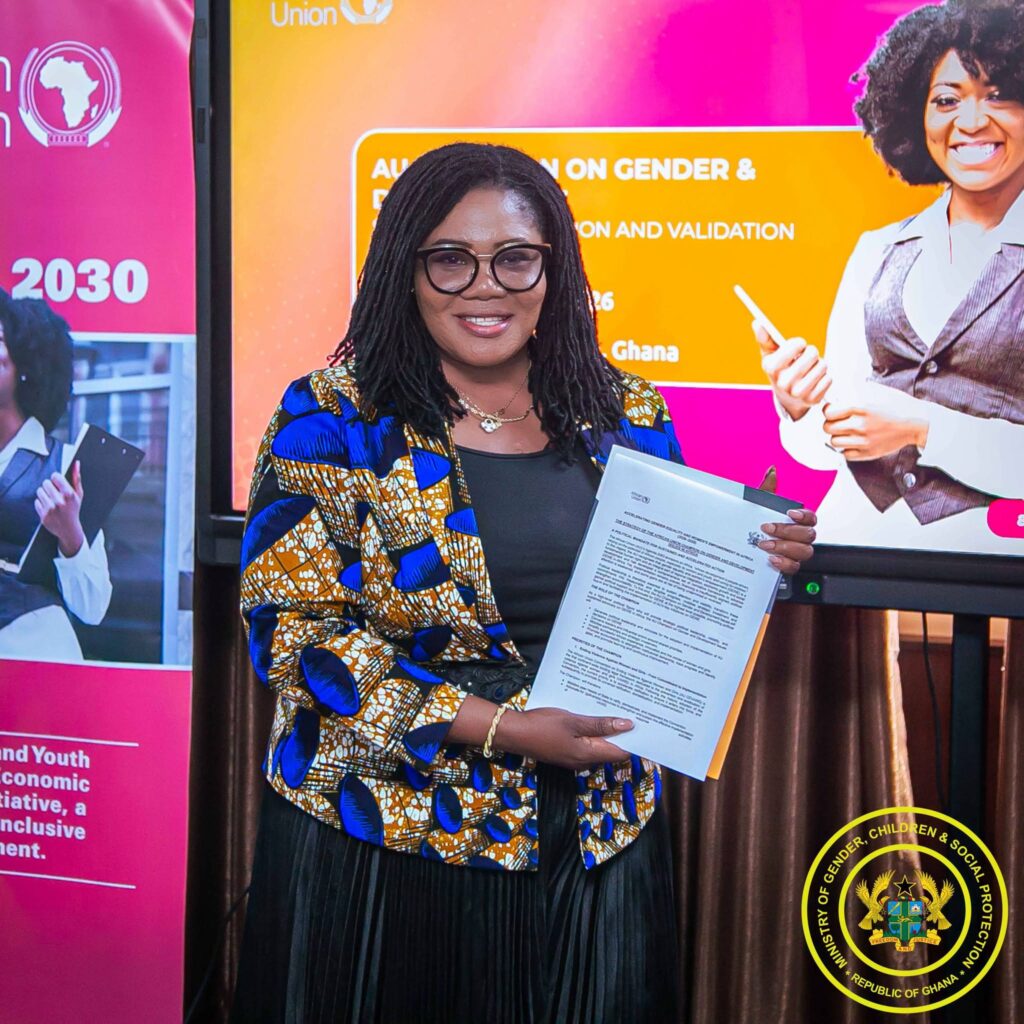
Ghana has taken a significant step in advancing gender equality across Africa by formally receiving the final Work Plan for the African Union Champion on Gender and Development covering 2026–2028. The strategic document was presented in Accra during a three-day Strategy Co-Creation and Validation Workshop, positioning the nation to lead continental efforts on gender issues as it assumes the AU presidency.
The work plan represents a pivotal moment for African gender advocacy. Rather than serving as a ceremonial document, it functions as a comprehensive roadmap designed to translate the Champion's mandate into measurable action across the continent. The document addresses key pillars including political mobilisation, resource allocation, policy strengthening, and accountability mechanisms—all critical components for sustainable progress on gender equality.
Ghana's Leadership Role and Commitments
Ms Prudence Nonkululeko Ngwenya, Director of the African Union Commission's Women, Gender and Youth Directorate, emphasised that workshop participants deliberately crafted an innovative and impactful role for the Champion. This positioning is particularly significant as Ghana prepares for its continental leadership position, signalling that gender equality will remain central to the nation's AU agenda.
Receiving the work plan on behalf of President John Dramani Mahama, Minister for Gender, Children and Social Protection Dr Agnes Naa Momo Lartey underscored that the document's true value lies not in its adoption but in implementation. She highlighted Ghana's recent legislative achievements demonstrating commitment to the agenda: the Affirmative Action (Gender Equity) Act 2024 (Act 1121), the newly unveiled National Gender Policy (2025–2034), and Parliament's approval of the African Union Convention on Ending Violence Against Women and Girls.
These domestic measures provide a foundation upon which Ghana can advocate credibly for continent-wide gender advancement during its AU leadership. The combination of legal frameworks, policy direction, and international convention adoption demonstrates comprehensive national commitment.
Why This Matters for Ghana and Africa
Ghana's position as AU Champion on Gender and Development carries significant responsibility and opportunity. The work plan's focus areas—comparative advantage, vision, strategic priorities, and Presidential initiatives—directly influence how resources flow and policies are shaped across African nations.
For Ghana specifically, this leadership role offers several advantages. Domestically, it reinforces the government's gender agenda and provides international legitimacy to national reforms. Regionally and continentionally, it positions Ghana as a leader on social development issues, potentially influencing how peer nations approach gender equality and women's empowerment.
The emphasis on partnership, investment, and accountability mechanisms suggests the work plan extends beyond rhetoric. By establishing clear monitoring frameworks and resource mobilisation strategies, the Champion's office is expected to drive tangible improvements in women's access to education, economic opportunity, political participation, and freedom from violence.
The three-year timeline aligns with Ghana's AU presidency period, creating a concentrated window for establishing precedents and securing commitments from member states. Success during this period could establish Ghana as a trusted advocate on continental social development issues beyond the gender portfolio.
As Dr Lartey noted, the work plan's ultimate measure will be its translation into concrete interventions—strengthened policies, mobilised resources, and measurable improvements in the lives of women and girls across Africa. Ghana's challenge now is to move from planning to execution, ensuring that the validated framework becomes the foundation for real, observable change across the continent.
Source: MyJoyOnline


Comments (0)
Be the first to comment.