
Over 200,000 Ghanaian students at risk as education crisis deepens, says Minority Leader
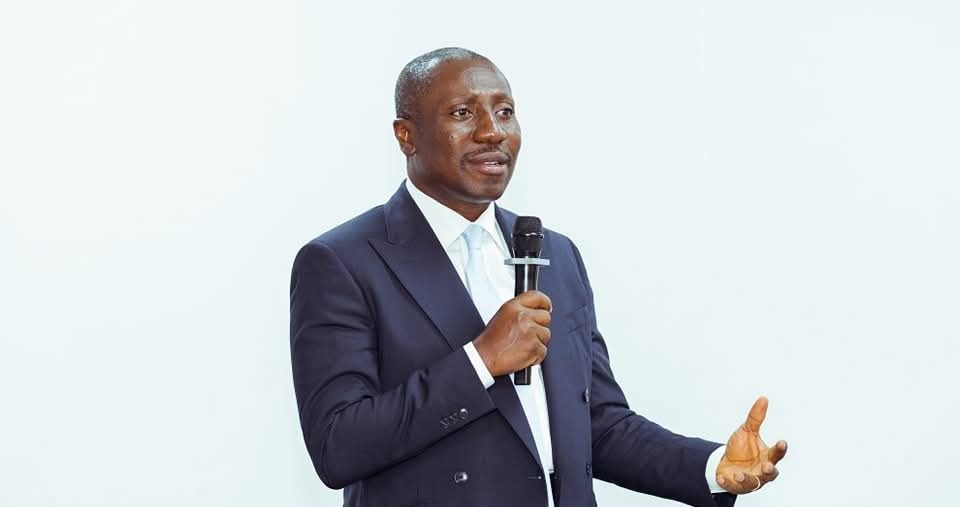

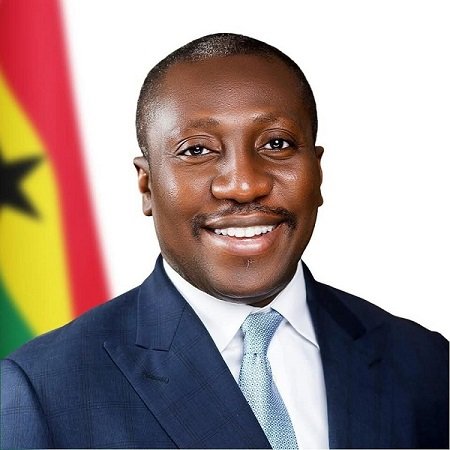
Ghana's education system faces a mounting crisis that could leave more than 200,000 young people without proper schooling opportunities, according to Minority Leader Alexander Afenyo-Markin, who has called for an urgent national dialogue to address the cascading failures across secondary and basic education levels.
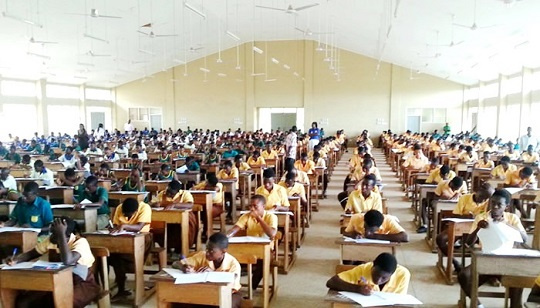
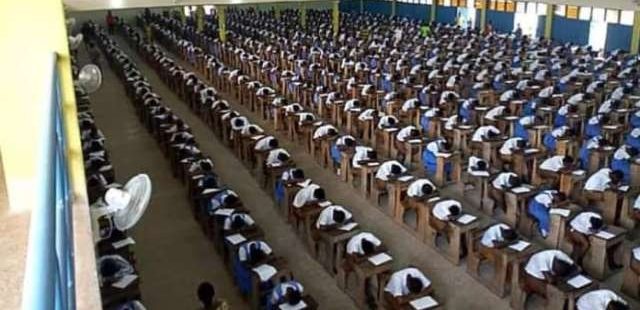
The alarm comes as recent examination results reveal alarming trends: 183,233 students completed secondary school without securing a credit in Core Mathematics, whilst the credit pass rate in English Language collapsed to 62.40%—the lowest in four years and a significant decline from 2024 performance levels. These figures underscore a systemic problem that extends far beyond individual student performance.
The Placement Crisis and Hidden Figures
Perhaps more immediately troubling is the chaos surrounding the Basic Education Certificate Examination (BECE) placement process. Afenyo-Markin highlighted that 54,985 candidates were initially denied automatic placement into secondary schools, despite government data showing 859,828 available vacancies for 623,072 candidates. The paradox reveals a critical gap between theoretical capacity and practical delivery.
On paper, the numbers suggest sufficient spaces exist. Yet on the ground, the reality is starkly different. Students arrived at assigned schools only to discover classrooms were full. Others were placed in special education facilities despite having no such need. Afenyo-Markin emphasised that a self-placement portal entry is meaningless without an actual seat in a functioning classroom—a fundamental requirement the system has apparently failed to guarantee.
Why This Matters for Ghana
Ghana's development trajectory depends on human capital. When over 200,000 young people—nearly a quarter-million—face educational disruption across a single cohort, the long-term economic and social implications are profound. These students represent the workforce, entrepreneurs, and leaders of the next decade. Educational exclusion or inadequate preparation now translates into reduced earning potential, higher unemployment, and diminished social mobility for years to come.
The crisis also threatens Ghana's ability to achieve middle-income status and compete regionally. Neighbouring countries are investing heavily in education quality; Ghana risks falling further behind. Additionally, frustrated parents and anxious students create pressure on teachers already working under difficult conditions—a vicious cycle that further degrades teaching quality and student outcomes.
A Call for Comprehensive Solutions
Afenyo-Markin has demanded immediate and long-term action on multiple fronts. He called on government to publish final placement outcomes transparently and clarify the criteria and pass marks used in the allocation process. He also urged substantially increased investment in remedial programmes, alongside expansion of alternative pathways through technical and vocational education training (TVET), apprenticeships, and skills development—routes that should not be seen as second-class options but rather as legitimate pathways to prosperity.
The Minority Leader stressed that addressing this crisis requires honest, non-partisan national conversation focused on educational funding, teacher quality, instructional time, educator motivation, learning materials, and school infrastructure. He pointedly noted that previous Free Senior High School and Free TVET initiatives were designed to ensure that poverty or examination performance did not permanently close doors for young Ghanaians.
With the stakes so high and the urgency undeniable, Ghana's education system demands immediate intervention combined with structural reforms. The question now is whether the government will treat this as the national emergency it clearly is.
Source: The Ghana Report

Comments (0)
Be the first to comment.