Ghana's School Placement Crisis: Why Thousands of Qualified Students Can't Find SHS Places Despite Hundreds of Thousands of Vacancies
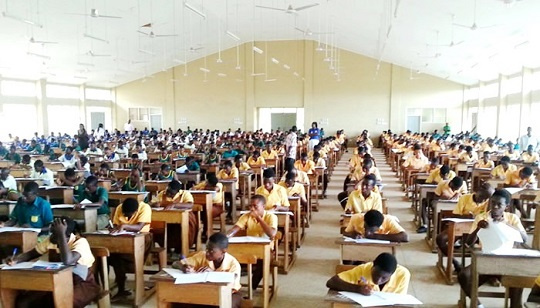
Ghana's education system faces a peculiar paradox that has reignited debate about the fairness and effectiveness of secondary school placement mechanisms. While the 2026 BECE results saw 604,567 candidates qualify for placement into senior secondary institutions, 76,635 of them—nearly 13 percent—were left without automatic placements despite the existence of almost 860,000 available spaces across schools and technical institutions nationwide.
The numbers paint a troubling picture of systemic dysfunction. When the Computerised School Selection and Placement System (CSSPS) released results on September 4, exactly 527,932 qualified candidates—87.32 percent—secured automatic placements. However, the remaining students found themselves caught in a mismatch that exposes deeper structural problems within Ghana's secondary education landscape rather than a simple shortage of capacity.
The Real Problem: Unequal Demand and School Hierarchy
The core issue lies not in total capacity but in concentration. Over 313,000 candidates listed Category A schools—the most prestigious and well-resourced institutions—as their first choice, yet these elite schools offered just over 76,000 spaces. Meanwhile, Category C schools held more than 468,000 vacancies, revealing a stark disparity in demand distribution across the school hierarchy.
This creates an untenable situation where thousands of qualified students reject available placements in less competitive schools, hoping for spots that will never materialise. The system reveals a fundamental disconnect between student aspirations and realistic educational pathways, leaving many without secondary education access despite genuine available capacity.
Broader Education Concerns and System Performance
The placement crisis coincides with concerning trends in Ghana's wider secondary education outcomes. Results from the 2026 WASSCE examinations show modest improvements in Core Mathematics, Integrated Science and Social Studies compared to 2025 figures. However, English Language performance continued its downward trajectory, signalling persistent challenges in foundational academic competencies.
Education analysts have increasingly questioned whether the CSSPS itself is fundamentally flawed or whether it merely exposes pre-existing inequities within Ghana's education infrastructure. The system has become a focal point for criticism from various stakeholders, including alumni associations and religious institutions seeking expanded allocations for their respective schools, raising concerns about whether protocol-based placements introduce further corruption rather than meritocratic advancement.
What This Means for Ghana's Education Future
The placement conundrum highlights critical questions about Ghana's educational priorities and equity commitments. Currently, qualified students face a binary choice: accept placement at less competitive institutions or forgo secondary education entirely. Neither option serves national development interests, particularly as the country aims to improve human capital and productivity.
Experts argue the system requires fundamental policy intervention addressing school distribution, quality equalisation across categories, and realistic counselling to help students and parents make informed choices aligned with actual opportunities. Without such reforms, Ghana risks perpetuating a two-tiered system where access to quality education remains largely determined by institutional prestige rather than individual merit or potential.
The stakes are high: thousands of qualified students annually face exclusion from secondary education despite meeting academic thresholds, while the nation simultaneously grapples with skills deficits across technical and vocational sectors where significant vacancies exist.
Source: MyJoyOnline

Comments (0)
Be the first to comment.