
Education System In Crisis: NPP Demands Action On WASSCE Failures And BECE Placement Chaos

Ghana's education system is facing a deepening crisis, with the opposition New Patriotic Party sounding the alarm over alarming examination results and a chaotic placement process that has left tens of thousands of students without school places.
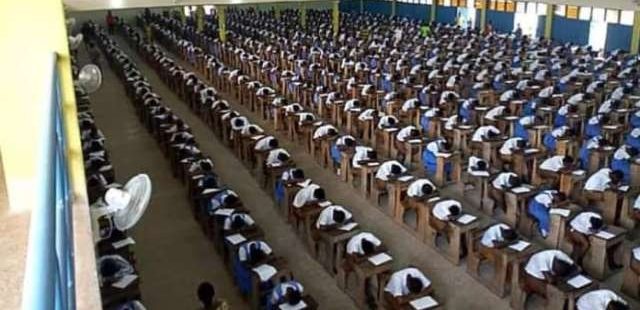
The party has called for a national conversation on education following the latest West African Senior School Certificate Examination (WASSCE) results and widespread problems with the Basic Education Certificate Examination (BECE) placement process. According to the NPP's analysis, the figures paint a troubling picture of an education system struggling to equip students with foundational skills.
The Numbers Behind The Crisis
The statistics cited by the NPP underscore the scale of the problem. A staggering 183,233 students who completed secondary school failed to obtain credit passes in Core Mathematics—a subject widely considered essential for further education and employment. Meanwhile, the credit pass rate for English Language has dropped to just 62.40 per cent, marking its lowest level in four years.
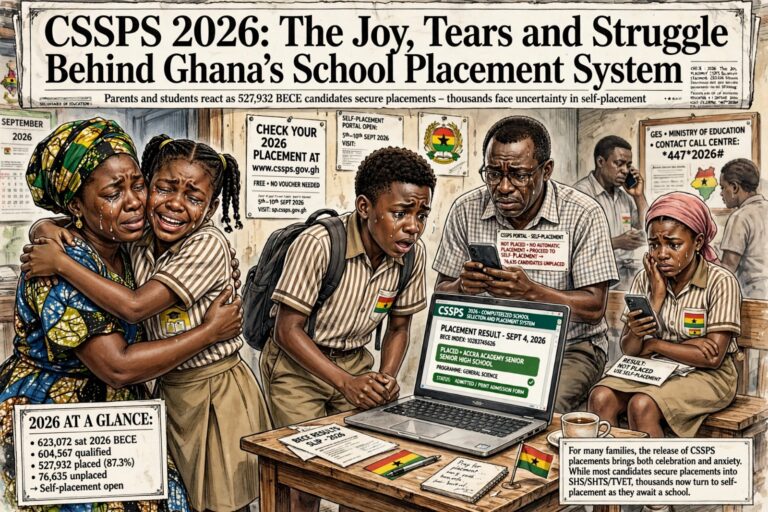
The BECE placement process has created additional chaos. Initially, 54,985 candidates were denied automatic placement into senior high schools, despite government data showing 859,828 available vacancies for 623,072 candidates—a paradox that raises serious questions about the placement system's efficiency.
The NPP also highlighted cases where students were wrongly placed in special schools or assigned to schools with no available spaces, compounding frustration among parents and students awaiting secondary education.
Why This Matters For Ghana
The education crisis carries far-reaching implications for Ghana's future. These young people represent the foundation of the nation's human capital—they will enter the job market, contribute to the economy, and shape Ghana's development trajectory. When hundreds of thousands lack competency in core subjects or find themselves without access to secondary education, the entire nation feels the impact.
The NPP's concerns reflect broader anxieties about education quality and equity. The existence of 85 private schools with available spaces in the Free Senior High School programme, alongside thousands of unplaced candidates, suggests a systemic failure in resource allocation and planning. The party argues that simply offering a self-placement portal cannot substitute for actually ensuring every child has a functioning classroom to attend.
Ghana's commitment to free secondary and technical education was intended to democratise opportunity. When these systems fail to function effectively, they risk reinforcing inequalities rather than reducing them. Students without WASSCE credits or BECE placements face severely limited pathways forward—unless the government provides genuine alternatives through TVET programmes, apprenticeships, or skills training.
What Needs To Change
The NPP has laid out specific demands. The government must publish the final placement outcomes and transparently explain the criteria used. More fundamentally, education funding, teaching quality, contact hours, teacher motivation, and provision of learning materials require urgent attention and investment.
The party argues this is not a partisan issue but a national emergency affecting an entire generation's future. The call for a comprehensive national conversation reflects recognition that short-term fixes will not resolve systemic problems built up over years of underinvestment and institutional weakness.
Whether the government accepts this challenge remains to be seen, but the scale of the crisis—hundreds of thousands of young Ghanaians left without secure pathways into further education or employment—demands immediate action from whoever holds responsibility for education policy.
Source: The Ghanaian Times

Comments (0)
Be the first to comment.