
Only 3 of 46 Activities Fully Implemented: Ghana's Women, Peace and Security Plan Hobbled by Funding Crisis


Ghana's ambitious blueprint for advancing women's roles in peace and security is falling far short of its goals — not because of a lack of policy will, but because of a chronic shortage of dedicated funding. That is the stark conclusion of a final evaluation of the Second Ghana National Action Plan on Women, Peace and Security (GHANAP II), presented at a stakeholder validation meeting in Accra this week.
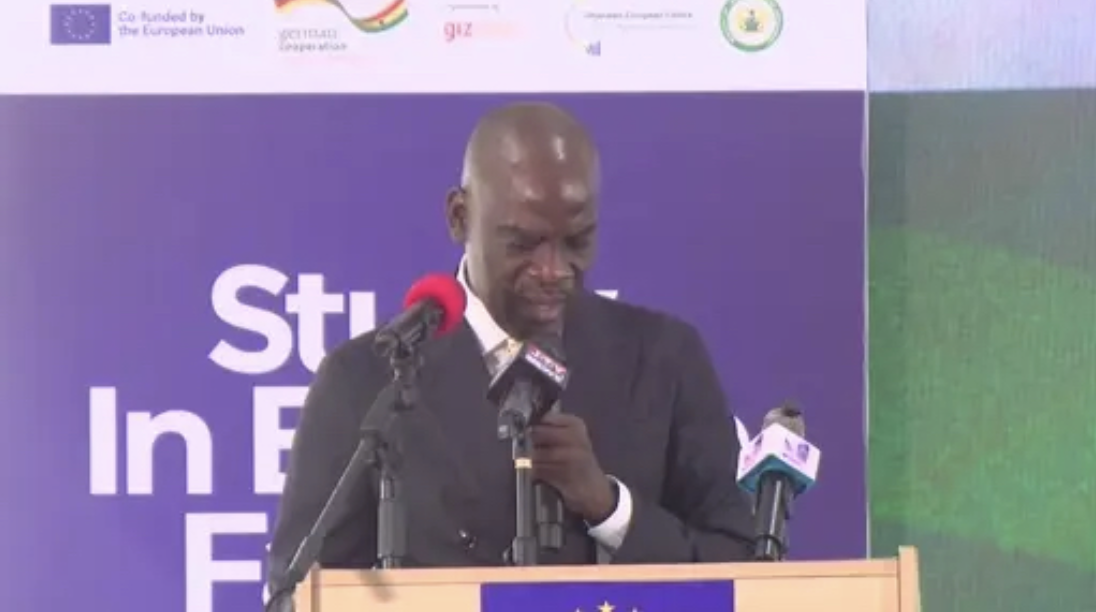
Mrs Dorothy Barnes, Director of the Foundation for Security and Development in Africa (FOSDA), delivered the keynote address at the gathering, which brought together representatives from government institutions, security agencies and civil society organisations. Her findings painted a sobering picture: of the 46 activities outlined under GHANAP II, only three had been fully implemented. Twenty-four were partly delivered, eleven recorded limited delivery, and eight were not implemented at all.
A Plan Without a Budget
At the heart of the problem, Mrs Barnes explained, is the absence of a dedicated budget line for GHANAP II. Rather than receiving ring-fenced government funds, institutions have been forced to rely heavily on donor support and resources originally allocated to other programmes just to carry out activities under the plan.
"Gender mainstreaming must go beyond having policies, offices and focal persons," Mrs Barnes stated. "It must be reflected in budgets, recruitments, promotions, operational practices, accountability mechanisms and the everyday experiences of women and men within our institutions."
She acknowledged that Ghana has made genuine strides since GHANAP II was launched in 2020, pointing to the passage of the Affirmative Action Act and improvements in women's leadership and representation as encouraging signs. However, she was clear that progress has been uneven and insufficient given the scale of the commitments made.
The plan had set out to increase women's representation in peacebuilding and decision-making roles by 30 per cent, eliminate sexual and gender-based violence, and strengthen the protection of human rights — goals that remain largely unrealised in measurable terms.
Why It Matters for Ghana
Ghana has long positioned itself as a beacon of stability and democratic governance in West Africa, and its commitment to the Women, Peace and Security agenda — rooted in United Nations Security Council Resolution 1325 — is part of that identity on the international stage. National Action Plans like GHANAP II are the domestic mechanisms through which countries translate those global commitments into concrete action.
When such plans are underfunded, the consequences are felt most acutely by women and girls at the community level. Mrs Barnes highlighted the limited availability of shelters and psychological support for survivors of gender-based violence as a particular concern, noting that victims should not have to travel long distances or face financial and social barriers to access protection and justice.
With Ghana now preparing to develop its third national action plan, the findings from this evaluation carry significant weight. Mrs Barnes urged a decisive shift from broad, aspirational commitments to a focused, measurable and properly resourced implementation framework — one where government ownership and domestic financing are central, rather than an afterthought.
Canada Reaffirms Support as Ghana Looks Ahead
The meeting also featured remarks from Mrs Bertha Desmennu, Senior Programme Liaison Officer at the High Commission of Canada, who commended the government and stakeholders for their contributions to GHANAP II. Canada, which has supported the agenda through civil society partners including FOSDA, reaffirmed its commitment to continuing that collaboration.
Mrs Desmennu noted that the evaluation findings offer valuable evidence to strengthen accountability and shape the design of Ghana's next action plan — a point that resonates given how much of GHANAP II's shortfall can be traced to weak monitoring and resource mobilisation mechanisms.
- Only 3 of 46 GHANAP II activities were fully implemented due to funding gaps.
- Institutions relied on donor funds rather than a dedicated government budget.
- Ghana is now preparing its third National Action Plan on Women, Peace and Security.
Source: The Ghanaian Times
-1200x800.webp)


Comments (0)
Be the first to comment.