
Ghana to Make Joint and Double-Degree Programmes Compulsory Under New Higher Education Policy
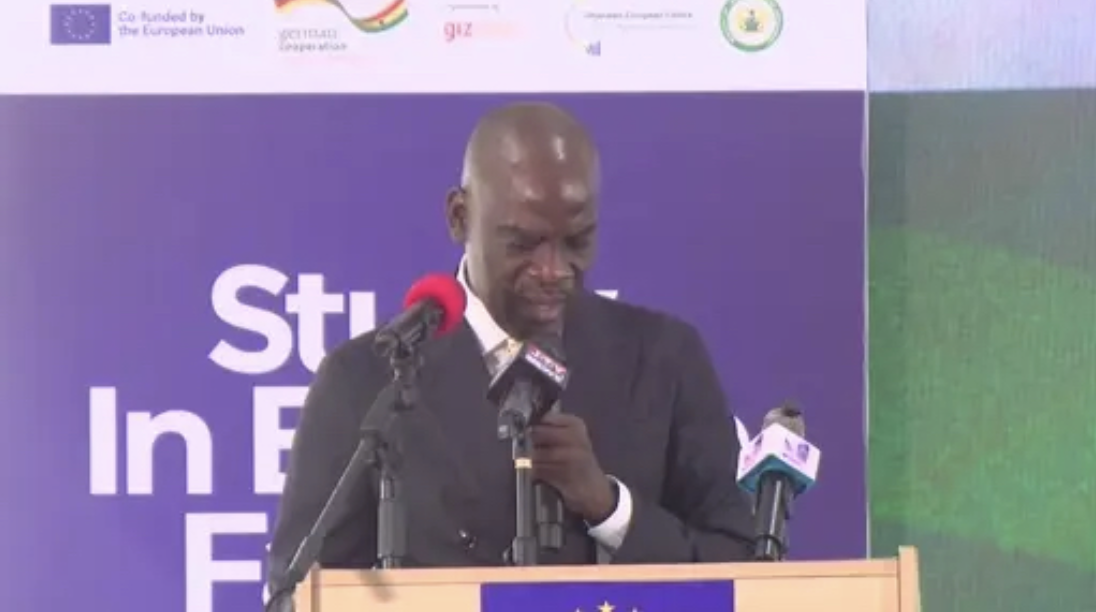

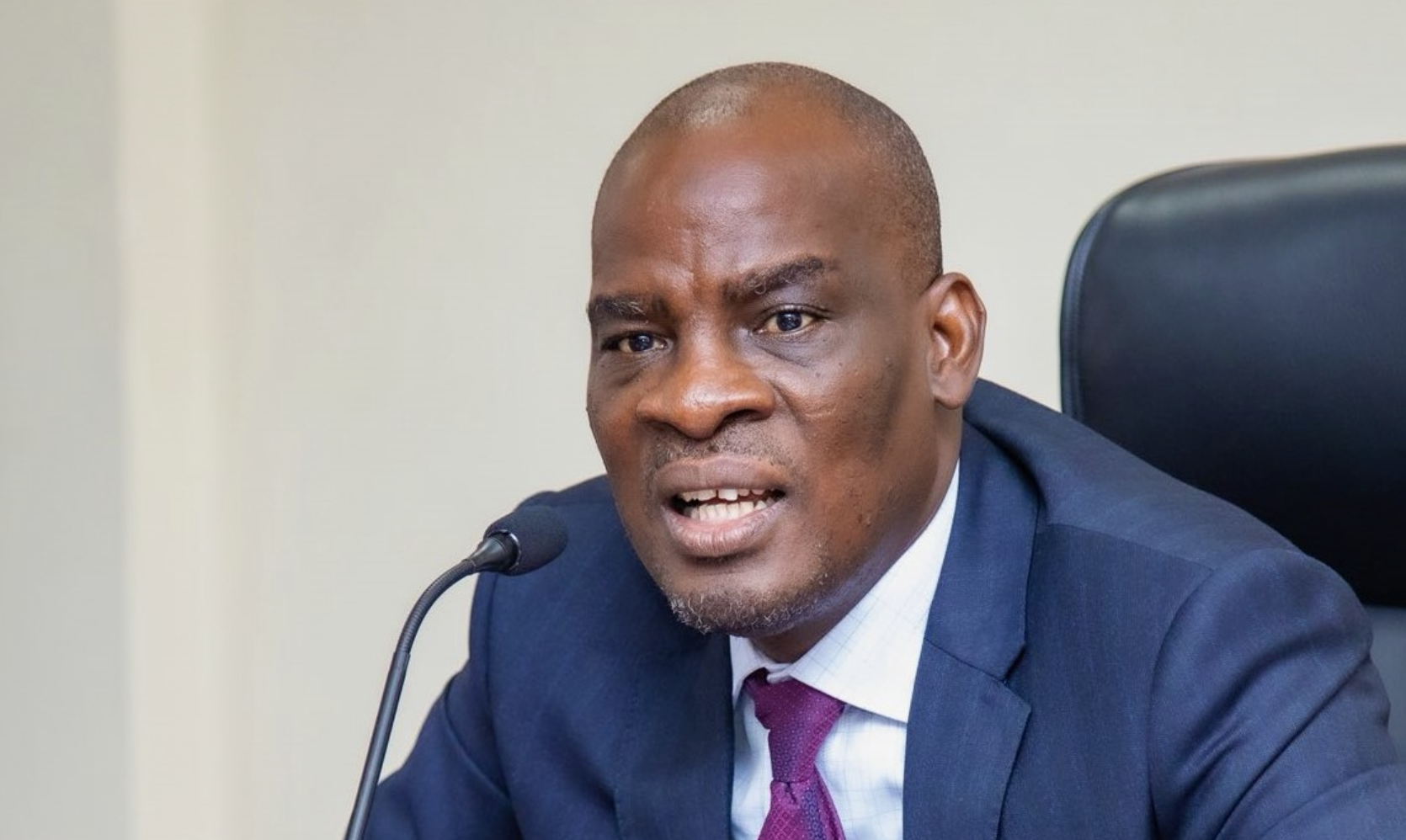
Ghana's government is set to overhaul how its students access higher education, with Education Minister Haruna Iddrisu announcing a bold new policy that would make joint and double-degree programmes a compulsory feature of the country's university system. The initiative, designed to give Ghanaian students genuine international academic exposure without fully uprooting them from local institutions, was revealed at the Study in Europe Fair 2026.
How the Programme Would Work
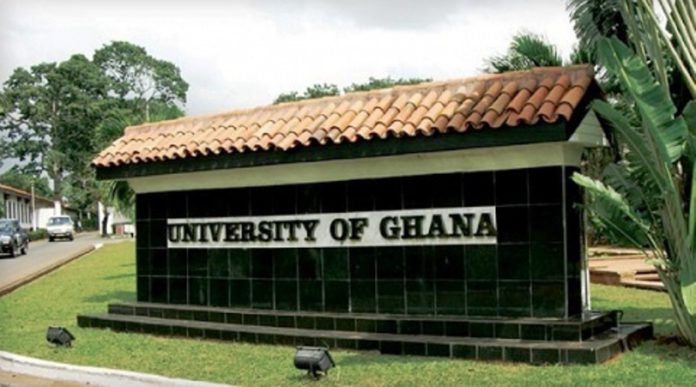
Under the proposed framework, students would split their academic journey between Ghanaian universities and partner institutions abroad. As the Minister outlined, a typical arrangement could see a student spend one or two semesters at the University of Ghana, travel overseas to a partner university for two or three semesters, and then return home to complete their final semester before graduating.
This model differs from conventional study-abroad schemes, where students typically leave Ghana entirely to pursue full degrees at foreign institutions. Instead, the new approach anchors students to Ghanaian universities while still providing them with meaningful international classroom experience.
Mr Iddrisu was clear that the policy is not simply about sending more students abroad. "While physical student mobility remains vital, the Ministry of Education recognises that relying solely on traditional study-abroad pathways cannot fully meet the demands of our growing youth demography," he said. The government is therefore framing transnational education as a core policy initiative rather than an optional add-on.
Why It Matters for Ghana
Ghana's youth population is growing rapidly, and the pressure on the country's universities to absorb more students is intensifying. Public universities have long struggled with overcrowding, limited resources and constrained capacity, while private institutions remain financially out of reach for many families. A policy that leverages foreign university partnerships to extend educational capacity — without requiring the construction of entirely new local infrastructure — could offer a practical route to expanding access.
Equally important is the equity dimension. By formalising these joint programmes through institutional partnerships, the government aims to make international academic opportunities available to a broader cross-section of Ghanaian students, not just those whose families can independently fund overseas study.
The Minister also addressed one of the most persistent challenges facing Ghana's education and development sectors: brain drain. Thousands of skilled Ghanaians — doctors, engineers, academics and other professionals — leave the country each year in search of better opportunities abroad, often never returning. Mr Iddrisu acknowledged this tension directly. "We have a duty and a responsibility to keep the brain drain, but at the same time maximise the brain gain," he said. The logic of the new policy is that students who maintain an institutional home in Ghana are more likely to return and contribute to national development after their international stints.
What Comes Next
For the policy to succeed, significant groundwork will be required. The Minister highlighted that institutional capacity and robust collaboration between Ghanaian and foreign universities would be critical. This means universities will need to negotiate and formalise partnership agreements, align curricula across borders, and ensure that qualifications earned under joint or double-degree arrangements are recognised both locally and internationally.
Access, quality and relevance, the Minister stressed, remain the three pillars of the government's broader vision for higher education. Critics and education stakeholders will likely watch closely to see whether the policy translates into concrete agreements with reputable foreign institutions, and whether adequate funding is committed to support students — particularly those from lower-income backgrounds — in meeting the costs of their overseas semesters.
- Joint and double-degree programmes will be made compulsory under the new policy.
- Students would split semesters between Ghanaian universities and foreign partner institutions.
- The initiative aims to tackle brain drain while expanding access to international education.
Source: MyJoyOnline



Comments (0)
Be the first to comment.