
Ghana plans major overhaul of teacher education with new national university
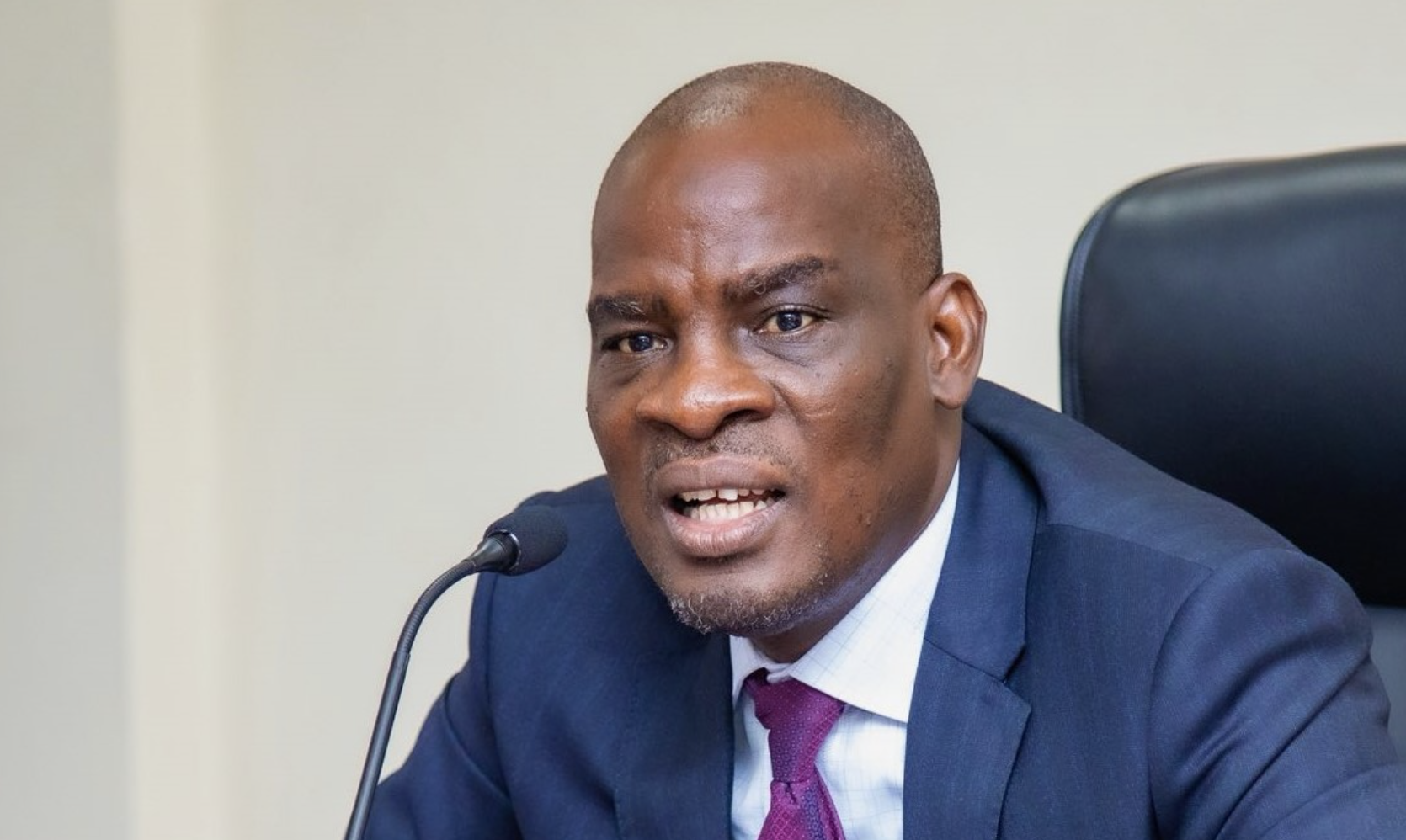

The Ghanaian government is set to reshape teacher education in the country through an ambitious plan to establish a National Teacher University that would bring together all 48 public colleges of education under one unified structure. The initiative, disclosed by Education Minister Haruna Iddrisu, represents one of the most significant reforms to teacher training since Ghana's independence and reflects growing recognition that the current fragmented system needs modernisation.
The proposal involves transforming existing colleges of education into constituent colleges within the new university framework. Peki has been identified as the preferred location for this institution, which would serve as the central hub coordinating teacher preparation across the nation. Minister Iddrisu explained that the unified structure would enhance academic standards, improve coordination among institutions and provide a stronger institutional framework for training educators who will shape Ghana's future.
What the restructuring aims to achieve
The government believes consolidation under one university will address longstanding challenges in Ghana's teacher education system. By bringing all 48 colleges under a single administrative and academic umbrella, the initiative seeks to standardise curricula, share resources more effectively and facilitate better quality assurance across teacher training programmes.
The timing of this announcement reflects broader government priorities around education quality. Ghana has long struggled with variations in teaching standards and college facilities across regions, with rural colleges often lacking resources available to urban institutions. A national university structure could help redistribute resources more equitably and ensure that teacher trainees receive consistently high-quality preparation regardless of location.
Beyond teacher education, the government is pursuing an expanded higher education strategy. Plans include establishing tertiary institutions in regional capitals and expanding existing universities to meet growing demand for places. The University of Mines and Technology (UMaT) is among institutions targeted for expansion, with a GH¢100 million allocation proposed through the Ghana Education Trust Fund (GETFund) in the 2027 funding formula to support development of its Kenyase campus with a view to eventually establishing it as a fully-fledged university.
Why it matters for Ghana
Teacher quality remains fundamental to Ghana's educational outcomes and economic development. The World Bank and other development partners have consistently identified teacher preparation and professional development as critical bottlenecks in improving learning outcomes across Ghanaian schools. By creating a unified National Teacher University, Ghana would join several countries that have successfully consolidated teacher education systems to improve efficiency and standards.
The initiative also signals government commitment to decentralising higher education. Plans to expand tertiary institutions in regional capitals could reduce pressure on Accra-based universities and improve access for students in northern and other underserved regions. For Peki specifically, hosting the National Teacher University would bring significant economic and development benefits to the Eastern Region.
President John Dramani Mahama has tasked Minister Iddrisu with establishing the Amoako Nuama Committee to develop detailed recommendations for creating additional public universities. The government has indicated it will await this committee's report before finalising decisions on new university establishments, suggesting a deliberative approach to such major institutional changes.
Implementation of these education reforms will require substantial investment and careful planning, but the vision represents an attempt to address structural weaknesses in Ghana's teacher education system while expanding higher education access across the country. Success will depend on adequate funding, effective coordination between the new national university and constituent colleges, and ensuring that standardisation does not diminish institutional autonomy or regional responsiveness.
Source: MyJoyOnline



Comments (0)
Be the first to comment.