
NPP Won't Be Silenced Despite 'Political Persecution,' Says Afenyo-Markin
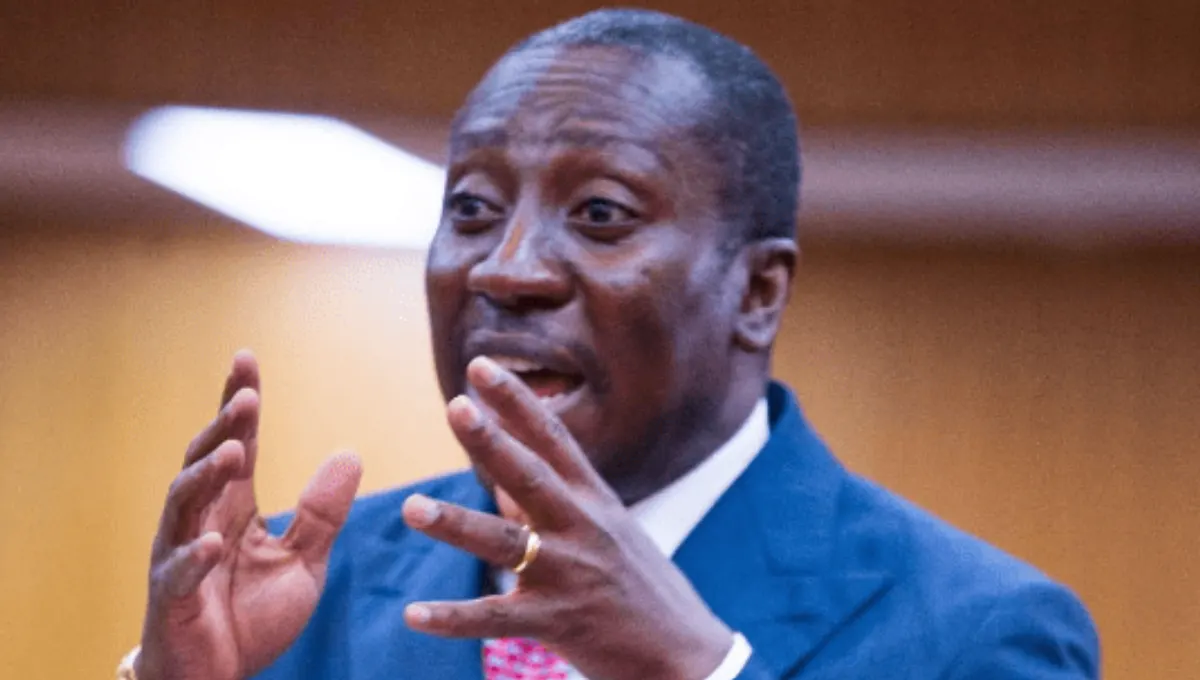

The Minority Leader of Ghana's Parliament, Alexander Afenyo-Markin, has launched a sharp rebuke at the Mahama administration, alleging systematic persecution of New Patriotic Party (NPP) members and signalling the opposition's determination to maintain critical oversight regardless of potential consequences.
In a confrontational statement, Afenyo-Markin declared that even if the government were to imprison all NPP MPs, the party would persist in its role as a check on executive power. The stark rhetoric underscores the heightened political tensions in Ghana as the NDC government settles into its administration following the 2024 general elections.
Allegations of Political Targeting
Afenyo-Markin's accusation centres on what he characterises as a pattern of targeting opposition figures, particularly NPP parliamentarians. Such claims reflect broader concerns within Ghana's political landscape about the treatment of opposition parties during transitions of power. The Minority Leader's language—invoking the prospect of mass imprisonment—suggests the NPP views current government actions as threatening and ideologically motivated rather than legally justified.
The statement comes amid a politically fractious environment where both ruling and opposition parties have traded accusations of misconduct. These tensions are not uncommon during Ghana's democratic cycles, especially as incoming administrations investigate the records of their predecessors or pursue what they characterise as accountability measures.
Why It Matters for Ghana
This escalating rhetoric has significant implications for Ghana's democratic health. A robust opposition is essential to parliamentary democracy; if opposition voices face genuine intimidation or prosecution perceived as politically motivated, it undermines institutional checks and balances that protect democratic norms.
Conversely, legitimate investigations into wrongdoing—whether involving NPP or NDC members—must be pursued through transparent, impartial judicial processes to maintain public confidence in the rule of law. The challenge for Ghana's institutions is distinguishing between politically motivated persecution and lawful accountability.
Afenyo-Markin's defiant stance signals that the NPP intends to remain vocal critics of government policy despite potential risks. This posture, while confrontational, reflects the party's commitment to parliamentary opposition functions: scrutinising legislation, questioning executive decisions, and articulating alternative perspectives.
The Broader Political Context
Ghana's democracy has generally been resilient, with peaceful power transfers and competitive elections establishing the nation as a relative bright spot in West African governance. However, each transition tests institutional maturity. The current friction between the Mahama government and NPP opposition reflects competing narratives about accountability, governance legitimacy, and the limits of executive authority.
How both sides navigate these tensions—whether through inflammatory rhetoric or institutional restraint—will set precedents for future democratic cycles. Civil society organisations, the judiciary, and international observers will likely scrutinise developments closely to ensure political competition does not descend into persecution.
Afenyo-Markin's remarks serve as a warning shot: the NPP will not be silenced through intimidation, and any government actions against opposition figures will face fierce parliamentary and public resistance. Whether this stance strengthens democratic accountability or deepens political polarisation depends largely on the facts underlying specific allegations and the government's demonstrated commitment to impartial justice.
Source: 3News


Comments (0)
Be the first to comment.