NPP's New Chair John Boadu Pledges Party Overhaul as Executives Take Office
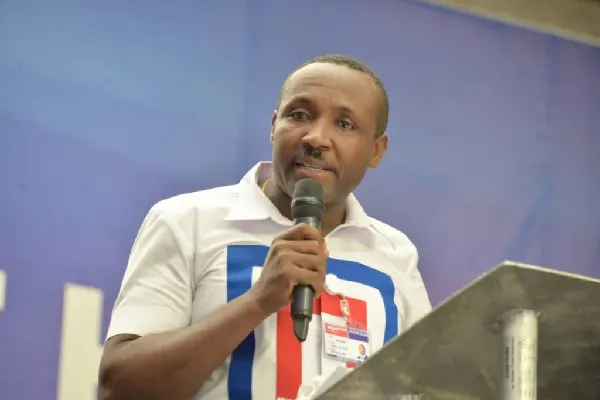
Ghana's New Patriotic Party has a fresh leadership team following recent internal elections, with John Boadu taking the helm as National Chair. In his first public remarks after winning the position, Boadu outlined an ambitious agenda centred on rebuilding and strengthening the party ahead of crucial political contests.
The new party chair emphasised that the incoming executive committee will approach their roles with humility and a commitment to collaborative governance. Boadu's remarks suggest a shift towards inclusive decision-making that incorporates input from the party's grassroots structures and regional organisations.
A Strategy Built on Unity
Boadu's message focused on bridging divisions within the NPP by ensuring the newly-elected executives work closely with every organisational level of the party. This approach appears designed to heal any rifts that may have emerged during the election process and to present a united front moving forward. The emphasis on working with "every branch" signals an intention to prevent sidelining of any faction or regional group within the party structure.
The pledge of humility is particularly significant in Ghanaian political discourse, where party leadership is often scrutinised for arrogance or detachment from ordinary members. By framing the executive's mandate in these terms, Boadu is setting expectations for how the leadership will conduct itself and engage with the broader party membership.
Why It Matters for Ghana
The NPP is one of Ghana's two dominant political parties and has served as the ruling party in recent years. The party's internal strength, cohesion and morale directly influence Ghana's political landscape and electoral competitiveness. A renewed and unified NPP will shape the nature of political competition in the country and could affect governance priorities and policy direction.
Party renewal initiatives often emerge during periods of transition or electoral repositioning. The timing of Boadu's overhaul comes as Ghana's political cycle continues, with various stakeholders watching how effectively the NPP can reorganise and mobilise its base. The party's ability to execute this rebuilding agenda will test its organisational capacity and determine whether it can maintain relevance among voters.
Additionally, how the NPP manages its internal affairs serves as a barometer for party democracy in Ghana. Transparent leadership and inclusive decision-making at the party level can strengthen democratic institutions more broadly, while authoritarian or exclusionary approaches undermine them.
What Lies Ahead
The new executive leadership will face practical challenges in implementing this renewal agenda. Translating promises of humility and collaboration into concrete actions—such as resource allocation, candidate selection processes, and policy formulation—will determine the credibility of Boadu's vision. Success will require visible engagement with lower-level party structures and demonstrable responsiveness to grassroots concerns.
The coming months will reveal whether Boadu's leadership fosters genuine party revitalisation or whether deeper structural issues within the NPP persist despite the change in executives. The party faithful will be watching closely to see if the new chair delivers on his commitment to rebuild the organisation from a position of service rather than hierarchy.
Source: 3News


Comments (0)
Be the first to comment.