
NPP's Afoakwa blasts $60m presidential jet plan: 'Fix our roads and hospitals first'
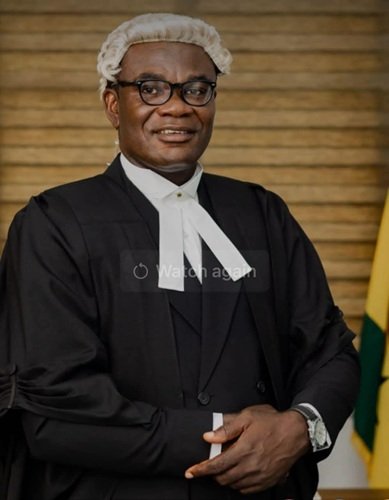

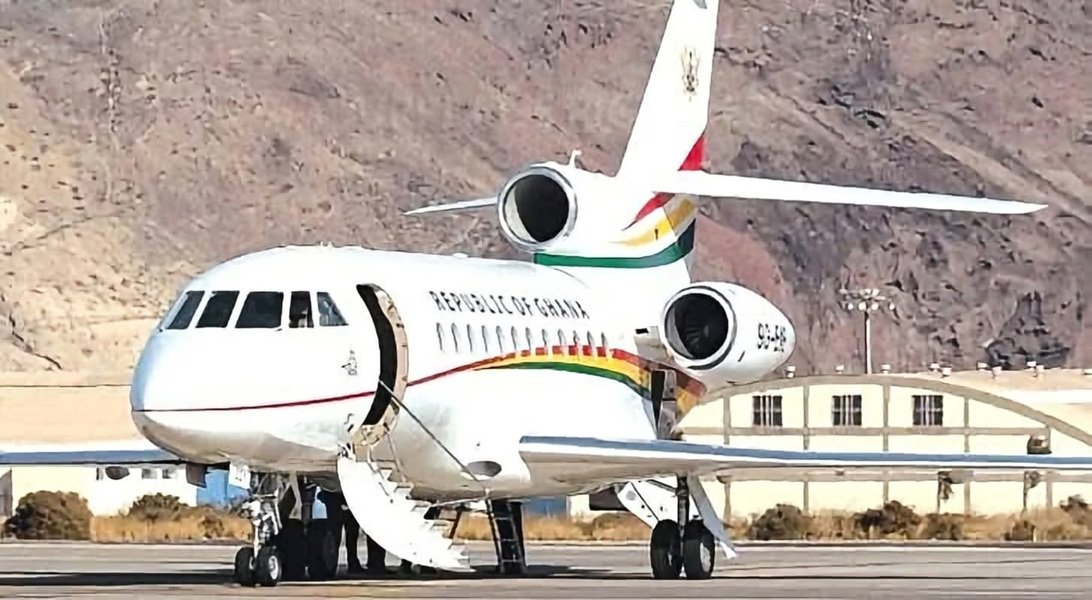
The New Patriotic Party's Deputy Director of Legal Affairs, Enoch Afoakwa, has launched a sharp attack on the John Mahama administration's plan to acquire a presidential jet valued at over US$60 million, arguing that such expenditure is deeply out of step with the everyday realities confronting ordinary Ghanaians. Speaking on JoyNews, Mr Afoakwa questioned the wisdom of committing that level of public funds to a luxury aircraft when communities across the country still lack decent roads, functional hospitals and steady employment.
A luxury jet versus broken roads and tricycle ambulances
At the heart of Mr Afoakwa's criticism is a stark contrast: a head of state travelling in a jet fitted with a queen-size bed while pregnant women in some parts of Ghana are being ferried to health facilities in aboboyaa — the motorised tricycles more commonly associated with carrying goods to market. He argued that the government should have prioritised procuring proper emergency vehicles before even entertaining the idea of a lavish presidential aircraft.
"What is the use of the jet? The President is the President of the Republic of Ghana, and we voted for him to stay in Ghana and work for us, for our interest," Mr Afoakwa stated bluntly. His remarks reflect a broader frustration among critics who feel that the optics of spending tens of millions of dollars on a single aircraft send entirely the wrong message to a population still grappling with the economic pressures of recent years, including high inflation and rising unemployment.
Mr Afoakwa also questioned the status of the government's One Job, Three Shifts initiative, a campaign promise aimed at tackling youth unemployment, suggesting that the $60 million could instead be channelled into establishing factories and creating sustainable jobs for Ghana's growing number of young jobseekers.
Why it matters for Ghana
Ghana has long debated the cost and necessity of maintaining or upgrading presidential aircraft. Successive governments have faced scrutiny over aviation-related expenditure, with critics consistently arguing that such spending is difficult to justify in a developing economy where basic infrastructure remains underfunded. The current controversy arrives at a particularly sensitive moment: Ghana is in the midst of an IMF-supported economic recovery programme, and public finances remain under close watch.
The $60 million figure — if confirmed — would represent a significant single outlay at a time when the government is under pressure to demonstrate fiscal discipline. For context, that sum could fund the construction or rehabilitation of dozens of rural roads, equip multiple district hospitals, or provide seed capital for large-scale job-creation schemes. Critics like Mr Afoakwa argue that the administration's spending priorities must reflect the urgency of these unmet needs rather than the trappings of executive comfort.
Supporters of the jet acquisition, on the other hand, have typically argued that a reliable and secure presidential aircraft is a legitimate tool of statecraft, enabling a head of government to attend critical diplomatic engagements on the continent and beyond without dependence on commercial schedules or the aircraft of other nations. Ghana's existing presidential jet has at various points been described as ageing and unreliable, an issue that has caused logistical difficulties on past state visits.
Political context
Mr Afoakwa's comments come from the opposition benches, and the timing — with the NDC administration still in its early period after returning to power — suggests the NPP intends to hold the government to account on its development promises. His remarks about the One Job, Three Shifts initiative signal that the opposition will monitor whether flagship employment programmes translate into real outcomes or remain largely aspirational. For Ghanaian voters, the debate over the presidential jet is ultimately a referendum on priorities: whether a government elected on a platform of economic recovery and service delivery is spending public money in ways that reach those who need it most.
Source: The Ghanaian Times


Comments (0)
Be the first to comment.