
NPP disputes 'politically motivated' probe claims, accuses government of weaponising bail conditions
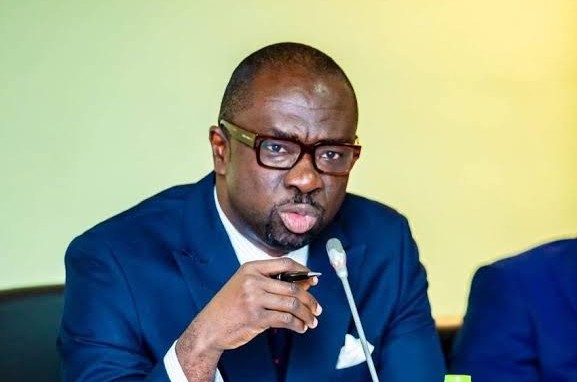
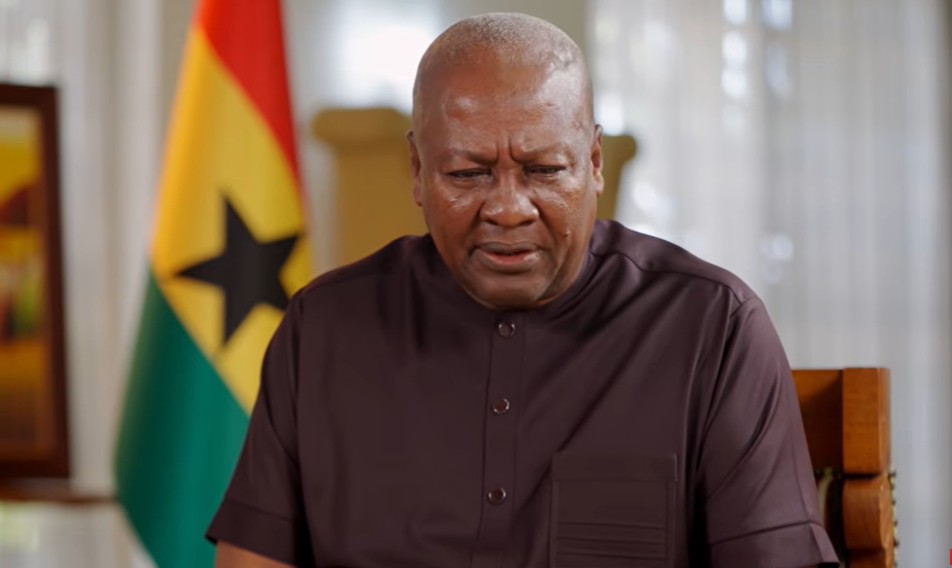
The New Patriotic Party has pushed back against President John Mahama's assertion that all ongoing investigations into opposition figures are evidence-based and apolitical, with a key parliamentary figure arguing instead that the real concern centres on how bail conditions have been weaponised against opposition members.
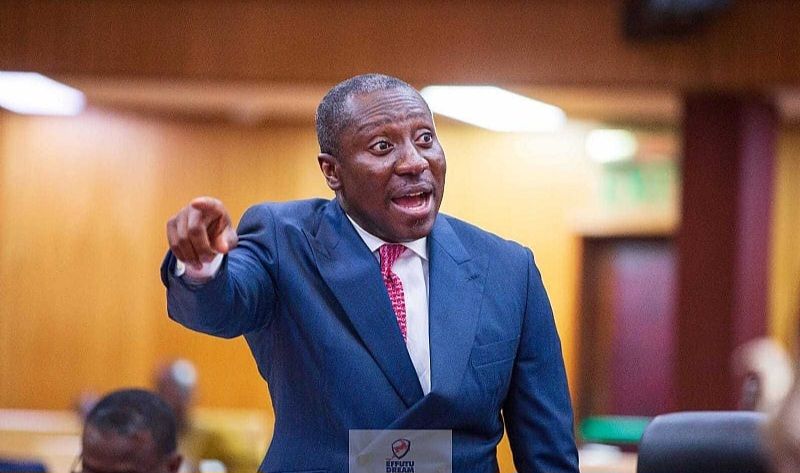
Nana Agyei Baffuor Awuah, an MP on Parliament's Constitutional and Legal Affairs Committee, made the distinction during an interview on JoyFM's Top Story on Friday, stating that the NPP does not oppose legitimate criminal investigations or proceedings. Rather, he said, the party's grievance is specifically about the punitive nature of bail conditions imposed by security and judicial authorities on opposition figures during such investigations.
"The case that has been highlighted from day one has been the use of bail to oppress members of the opposition," Awuah stated, rejecting suggestions that the opposition is simply evading scrutiny.
High-profile bail cases fuel opposition concerns
To illustrate his point, Awuah cited two prominent cases: the bail conditions imposed on Wontumi, the Ashanti Regional Chairman of the NPP, and the GH¢50 million bail granted to Dennis Miracles Aboagye, former Executive Secretary of the Inter-Ministerial Coordinating Committee on Decentralisation. Both cases, he argued, exemplified what he described as excessive and punitive bail terms.
Awuah emphasised that bail, under law, serves a singular and limited purpose: to ensure a suspect's availability during investigations. "It is only at that stage to ensure that when you need a person for investigations, he'll be available," he explained. "But for this government, when dealing with members of the opposition, they have used bail as a weapon to punish, intimidate, or oppress members of the opposition."
The lawmaker also noted that many opposition members have undergone investigations without public outcry, suggesting that the controversy arises only when bail terms become what the opposition considers unreasonable or oppressive.
Why it matters for Ghana
This dispute touches on fundamental issues of democratic governance and the rule of law in Ghana. The role of bail—whether it serves purely as a mechanism to ensure court attendance or as a vehicle for punishment and intimidation—is a constitutional concern that affects public confidence in judicial and security institutions.
Ghana's legal framework, inherited from common law traditions, prescribes that bail should be neither excessive nor used punitively. If opposition claims have substance, they point to a troubling pattern in how state institutions apply the law differently across political lines, which undermines equal protection and due process. Conversely, if the government's position is accurate, transparency in case documentation and public communication about investigations could help dispel perceptions of bias.
The issue also reflects broader anxieties in Ghana's political space about power's use to suppress dissent and marginalise opposition parties. Whether these concerns are justified or exaggerated, they influence voter confidence, civil society activism, and Ghana's international reputation regarding democratic standards.
Mahama's response and path forward
President Mahama's recent comments defending the investigations as evidence-based rather than politically motivated have not satisfied opposition voices. Awuah suggested that the President may not have engaged fully with the specifics of the cases that have drawn criticism, implying that dismissing the concerns outright sidesteps substantive debate.
The disagreement underscores a critical need for greater transparency from prosecuting and judicial authorities. Publishing bail rationales, ensuring consistency in the application of bail principles across all suspects regardless of political affiliation, and allowing public scrutiny of investigative processes could help restore confidence in Ghana's institutions and reduce the scope for accusations of political weaponisation.
Source: MyJoyOnline


Comments (0)
Be the first to comment.