Nigerian Military Aircraft Crashes in Ondo State, Killing 32—Regional Air Safety Concerns Mount
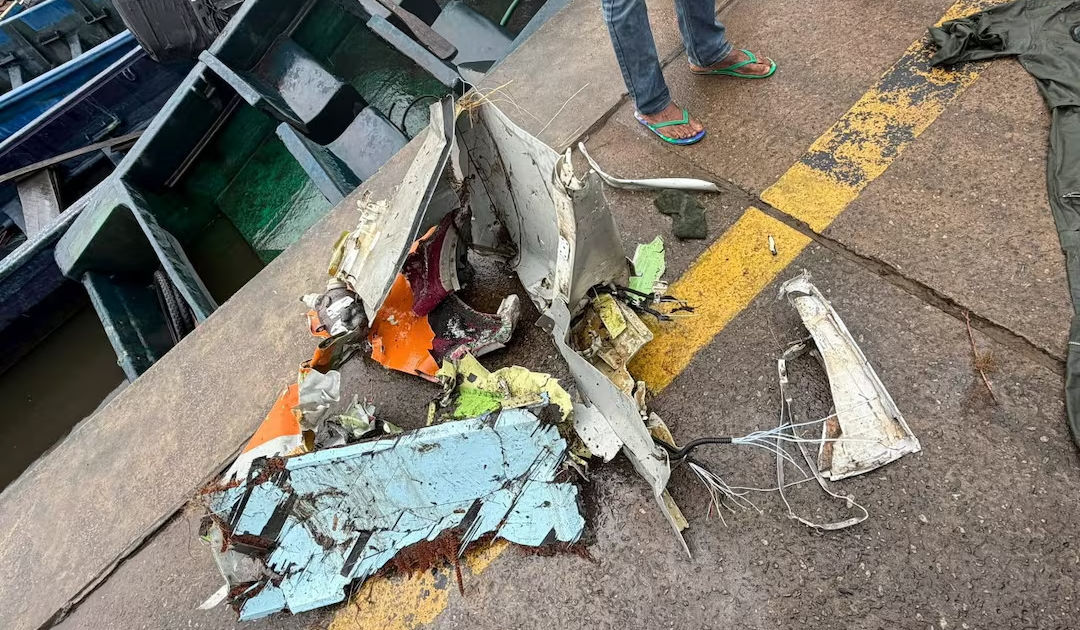
A Nigerian Air Force ATR-42 aircraft crashed on Monday in Ondo state, southwestern Nigeria, killing all 32 people on board—25 passengers and seven crew members. The plane was on a routine flight from Benin City to Lagos when air traffic controllers lost radio contact at 0813 GMT. The wreckage was subsequently located near the coastal town of Igbokoda, where search and rescue operations were immediately deployed.
President Bola Tinubu confirmed there were no survivors and expressed his "profound sadness" at the tragedy. In a statement, the president directed the Nigerian Air Force to commence a thorough investigation into the cause of the crash, emphasising the need to prevent similar incidents in the future. Aviation Minister Festus Keyamo provided details of the incident to the public, noting that the aircraft had been on a routine mission when contact was lost.
One of Nigeria's Deadliest Aviation Disasters in Years
This crash ranks among the deadliest aviation accidents Nigeria has experienced in recent years, underscoring growing concerns about air safety within the West African region. The loss of 32 lives in a single incident has reignited discussions about aircraft maintenance standards, pilot training protocols, and air traffic control systems across Nigeria and the broader ECOWAS region.
The ATR-42 is a twin-engine transport aircraft commonly used by African air forces and civilian operators. While generally considered reliable, the specific circumstances of this crash—including weather conditions, maintenance records, and crew qualifications—will be critical focuses of the investigation.
Why It Matters for Ghana
For Ghana and other West African nations, this incident carries significant implications for regional air safety. Ghana's civil aviation sector, including both commercial and military operations, shares similar infrastructure challenges and regulatory frameworks with Nigeria. The crash highlights the importance of robust aircraft maintenance programmes, adequate investment in air traffic control technology, and continuous pilot training—issues that affect aviation safety across ECOWAS member states.
Ghanaian authorities and regional aviation bodies typically monitor such incidents closely, as lessons learned from crashes in neighbouring countries directly inform safety improvements domestically. The investigation findings may prompt reviews of similar aircraft operations and protocols within Ghana's military and civilian aviation sectors. Additionally, this tragedy underscores the critical need for sustained funding and modernisation of air safety systems throughout West Africa, where ageing fleets and limited maintenance resources remain persistent challenges.
The crash also serves as a reminder of the risks inherent in regional air transport, particularly for military operations that may operate with less stringent oversight than commercial carriers.
Investigation and Response
The Nigerian Air Force has prioritised the investigation, with the Chief of Air Staff briefing the president and committing to a comprehensive examination of the crash's causes. Search and rescue teams worked to recover the remains and retrieve flight data that may illuminate what went wrong. The findings are expected to inform safety directives not only for Nigeria's military aviation but potentially across the region.
Source: MyJoyOnline




Comments (0)
Be the first to comment.