
New Podcast Explores Lives of Ghana's Queer Elders Against Backdrop of Rising Hostility

A groundbreaking five-episode narrative podcast series has launched, centering the often-invisible lives of Ghana's LGBTQI+ elderly community. Produced by openDemocracy and reported by Ayodeji Rotinwa, the Africa Editor at the outlet, "How to Find Queer Elders" offers a rare and intimate portrait of queer Ghanaian life that extends far beyond survival and persecution.
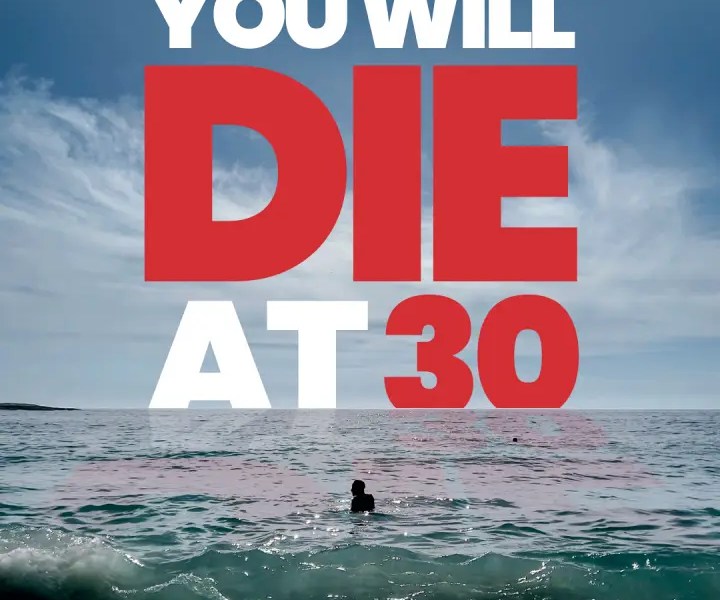
The series follows Awo Dufie, a 23-year-old trans woman from Ghana, as she embarks on a two-year journey across the country searching for queer elders whose lived experiences can offer hope, models and possibilities for her own future. The project emerges from a deeply personal place: Awo's mother has prophesied that her daughter will die by age 30 because she is queer—a belief rooted in widespread misconceptions about LGBTQI+ life expectancy in Ghana and across Africa.
Beyond Trauma: A Different Kind of Archive
Rather than focusing solely on homophobia and violence—topics that have dominated coverage of queer African lives—this podcast intentionally shifts perspective. The series seeks to document the fuller humanity of queer Ghanaians: their loves, friendships, communities, parenting experiences, and the everyday joys that accompany survival. For many young queer Ghanaians, such visible examples are virtually non-existent, leaving them without templates for imagining long lives or building meaningful relationships.
Aman Sethi, CEO and Editor-in-Chief of openDemocracy, emphasises the archival significance of the project. "I'm really excited to be launching Queer Elders – an audio archive of LGBTQ+ lives that are still here, but rarely recorded, capturing memory, lineage and survival without reducing queer existence to trauma," he explains. The podcast builds on Awo's earlier "Queer Elders Speak" storytelling project, launched in 2023, which similarly aimed to preserve narratives typically absent from conventional African histories.
Why It Matters for Ghana
Ghana currently faces heightened legal and social pressure on LGBTQI+ communities. The country has been attempting to pass an anti-LGBTIQ bill for years, whilst hostility and violence against queer people remain serious concerns. In this climate, a project that humanises and celebrates queer life takes on particular weight. By documenting elders who have navigated decades of social hostility and still built fulfilling lives, the podcast provides counterweight to narratives of inevitable tragedy or erasure that young queer Ghanaians internalise.
The series also represents a stylistic departure for Ghanaian audio media. Produced in the documentary-narrative format rather than the interview-driven podcast style common locally, it offers listeners an immersive storytelling experience that captures nuance, emotion and context in ways traditional formats may not.
Format and Access
The first episode, "You Will Die at 30," premiered at 27 minutes long and is now available across major platforms including Spotify and Apple Podcasts. The production is a collaboration with Radio Workshop, a South African audio publication recognised for centring African voices and stories on themes including love, mental health, migration, labour and democracy.
The podcast's central premise—that queer people deserve to be heard beyond narratives of suffering—speaks to a broader need for counter-narratives in Ghanaian and African media, particularly as legal and social pressures on LGBTQI+ communities intensify. By asking "what comes after survival?" the series attempts to expand the conversation about what queer futures can look like.
Source: Ameyaw Debrah




Comments (0)
Be the first to comment.