New NPP organiser Titus Glover vows unity push ahead of 2028 election battle

Ghana's main opposition New Patriotic Party (NPP) has a fresh leadership team, with Daniel Nii Kwartei Titus Glover taking the helm as National Organiser following his victory at the party's delegates conference in Kumasi on Saturday, October 3, 2026. In his acceptance speech, Glover outlined an ambitious agenda focused on internal cohesion and preparing the party for a strong challenge in the 2028 general elections.
Glover secured 2,964 votes to edge out Ali Maiga Halidu, who polled 2,231 votes, with Emmanuel Korsi Bodja receiving 145 votes in the three-way contest. The victory signals the delegates' endorsement of his platform centred on rebuilding party unity after what has been an intense internal campaign season.
A platform built on internal healing
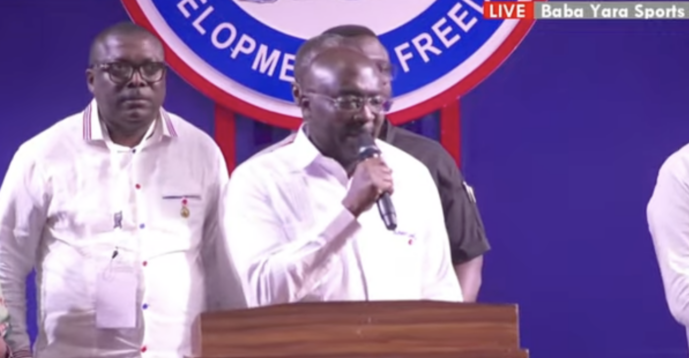
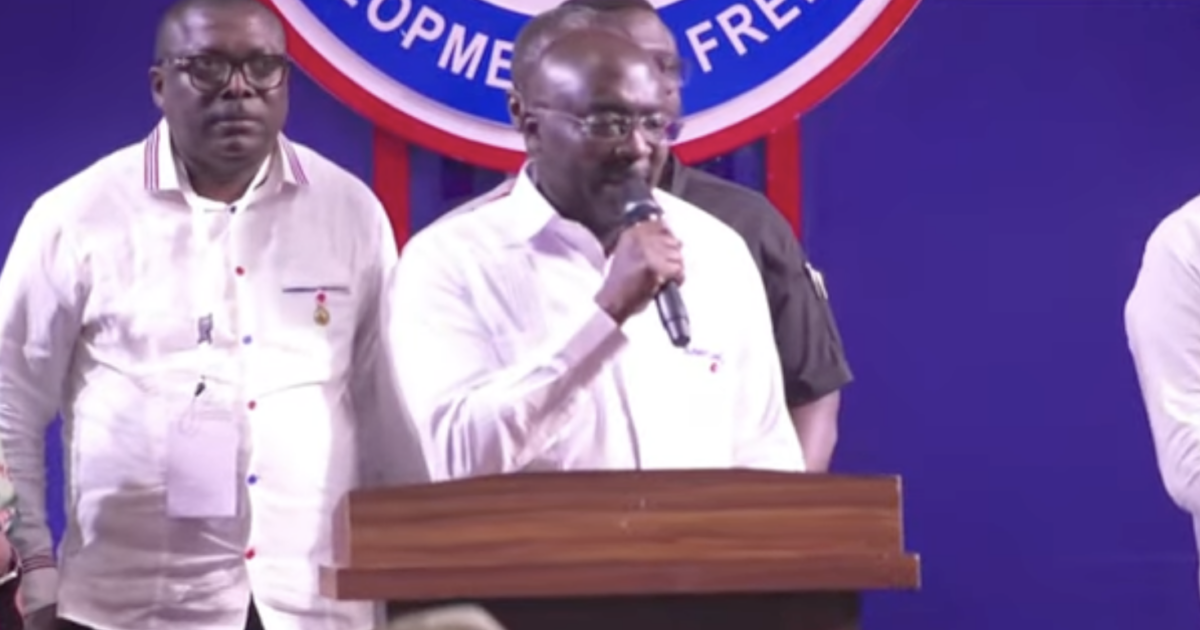
The newly elected organiser's message was notably consistent throughout his remarks at Baba Yara Sports Stadium: the NPP must move beyond factional divisions to function effectively. Glover stressed that peace, unity and mutual respect are not merely party-building virtues but essential conditions for successful governance and electoral preparation.
"If you are doing governance and you don't bring peace and unity and respect, the work will be hard," he told delegates, emphasising that these principles would form the bedrock of his tenure. He acknowledged that the task ahead is substantial, requiring commitment, love and solidarity from party members across all ranks and regions.
The new executive team's immediate focus will be strengthening the NPP's internal structures and laying groundwork for what party officials describe as a comprehensive reorganisation. This comes at a time when intra-party elections in Ghana's two major parties often expose deep divisions that can linger and affect general election performance if not carefully managed.
Why it matters for Ghana
The NPP's ability to unite and mobilise effectively in the coming months will significantly shape Ghana's 2028 political landscape. With Vice President Dr Mahamudu Bawumia positioned as the party's presidential flagbearer, the party's internal cohesion directly affects the competitiveness of the race. A fractured NPP could hand an advantage to its rival National Democratic Congress (NDC), which will also be preparing its own campaign machinery.
For Ghanaian voters, a united and organised opposition matters. Competitive elections require strong, functional political parties capable of holding government accountable and presenting clear alternative visions. The NPP's internal reorganisation therefore extends beyond party politics—it influences the health of Ghana's democracy and the quality of electoral competition.
Glover's emphasis on peace and governance-focused unity also reflects lessons from previous election cycles, where party divisions have sometimes translated into organisational weaknesses during general campaigns. His appointment signals the party's recognition that the foundation for 2028 success must be built now, through deliberate efforts to bridge differences forged during the internal contest.
Looking ahead
The newly elected national executives face a demanding timeline. Between now and the 2028 general elections, they must rebuild internal trust, strengthen party structures in all regions, recruit and mobilise grassroots activists, and articulate a compelling campaign message around Dr Bawumia's presidential bid. Glover's victory speech suggests the party is conscious of these challenges and committed to approaching them strategically.
Whether the rhetoric of unity translates into sustained action will become clear in the coming months as the party moves from internal contests to the unified campaign phase. For Ghana's political system, the success or failure of that transition will matter significantly.
Source: The Ghanaian Times
Comments (0)
Be the first to comment.