Bawumia rallies defeated NPP rivals for 2028 campaign push
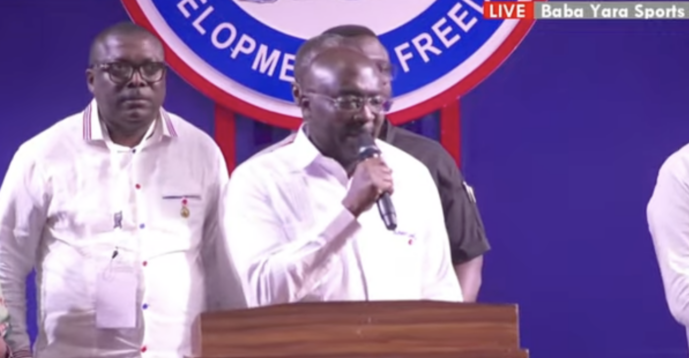
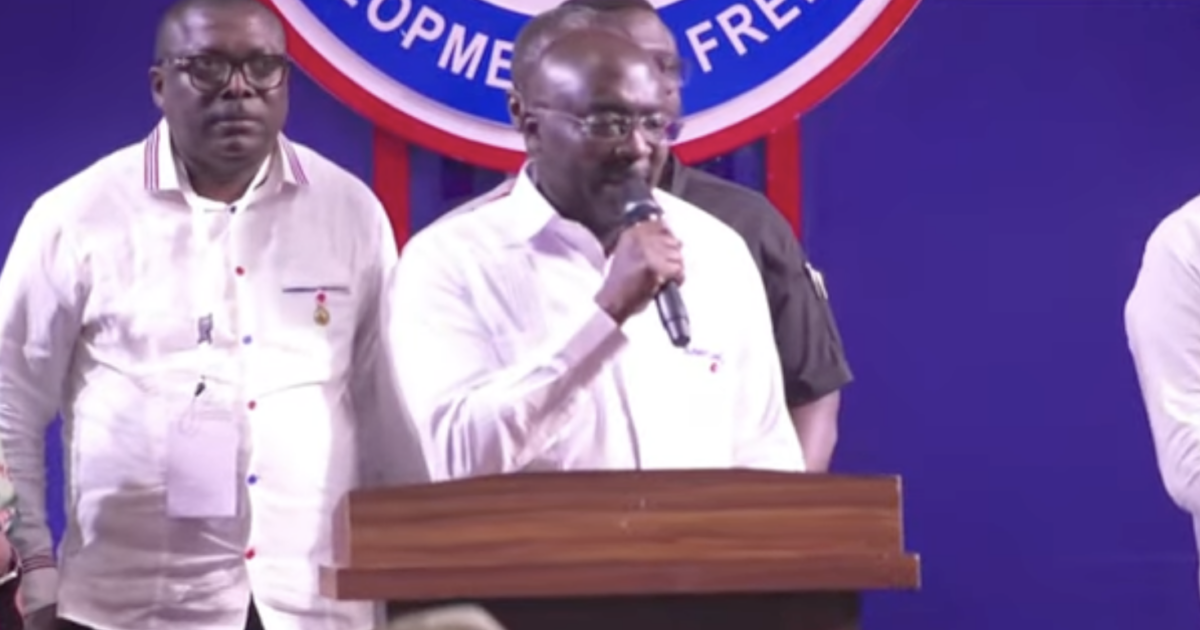
Dr. Mahamudu Bawumia has moved to heal divisions within the New Patriotic Party (NPP) following the internal race for the presidential nomination, pledging that all defeated aspirants will play significant roles in the party's 2028 general election campaign. Speaking at the NPP Delegates Conference, Bawumia emphasised party unity and inclusivity as the organisation transitions into campaign mode.
The remarks come at a critical juncture for Ghana's ruling party. After months of internal contests where multiple aspirants competed for the NPP presidential ticket, Bawumia's victory has now centred on consolidating support across all factions within the party. By publicly offering roles to losing candidates, Bawumia is attempting to prevent the emergence of splinter groups or disaffected members who might weaken the NPP's positioning ahead of the 2028 polls.
Unity and broader reorganisation
Bawumia urged party members to move past the internal contests and focus their energies on strengthening the party's organisational structures. He stressed that the NPP would require the combined efforts of all its leadership cadre and grassroots members to mount a competitive campaign in 2028. His message reflects a standard post-primary reconciliation strategy employed by many political parties globally, designed to convert internal competition into party cohesion.
The Delegates Conference itself represents a wider moment of internal renewal for the NPP. Beyond electing new national officers, delegates are also considering proposed constitutional amendments. These changes are expected to shape the party's governance framework as it enters a new electoral cycle. Such reorganisation efforts typically aim to address weaknesses identified during recent elections and establish clearer procedures for candidate selection and party operations.
Why it matters for Ghana
Ghana's electoral competitiveness depends significantly on how effectively the two major parties—the NPP and National Democratic Congress (NDC)—organise their internal structures and maintain party discipline. A fractured NPP or one where losing aspirants feel marginalised could translate into reduced campaign effectiveness, lower voter mobilisation, or even defections to rival parties in key constituencies.
Bawumia's inclusive approach signals a recognition that internal party conflicts can have downstream effects on electoral performance. The 2028 general election will be Ghana's ninth democratic polls since 1992, and both major parties are already positioning themselves. How the NPP manages its internal dynamics now will influence its ability to retain power or, conversely, how the NDC capitalises on any visible fractures.
For ordinary Ghanaians, internal party unity has practical implications: stronger party organisations typically translate to more responsive campaign platforms, clearer policy messaging, and better-resourced constituency-level campaigns. Conversely, divided parties may struggle to articulate coherent policy positions or effectively reach voters in rural and urban areas.
The NPP's reorganisation effort—including new national officers and constitutional adjustments—will set the institutional tone for the next electoral cycle. If these changes enhance internal democracy while maintaining party discipline, they could serve as a model. If they appear superficial or fail to address underlying grievances among losing aspirants, they may sow deeper divisions as the 2028 campaign intensifies.
Source: The Ghana Report
Comments (0)
Be the first to comment.