NDC Chairman Praises Government's Bono Road Infrastructure Push as Economic Indicators Stabilise

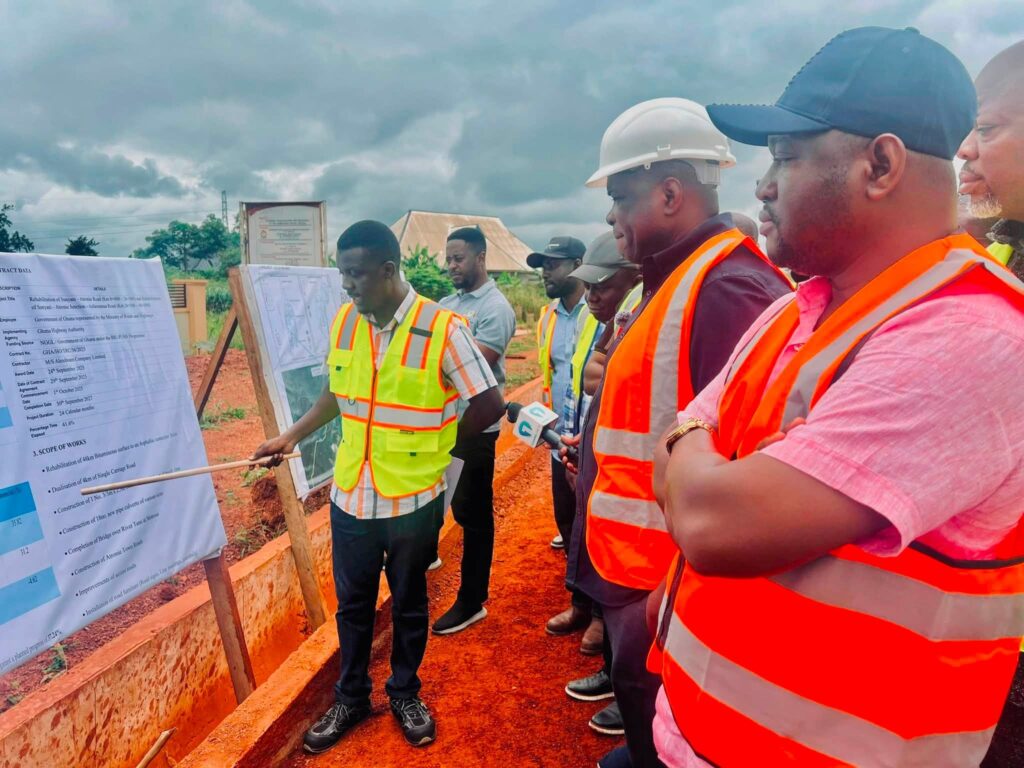
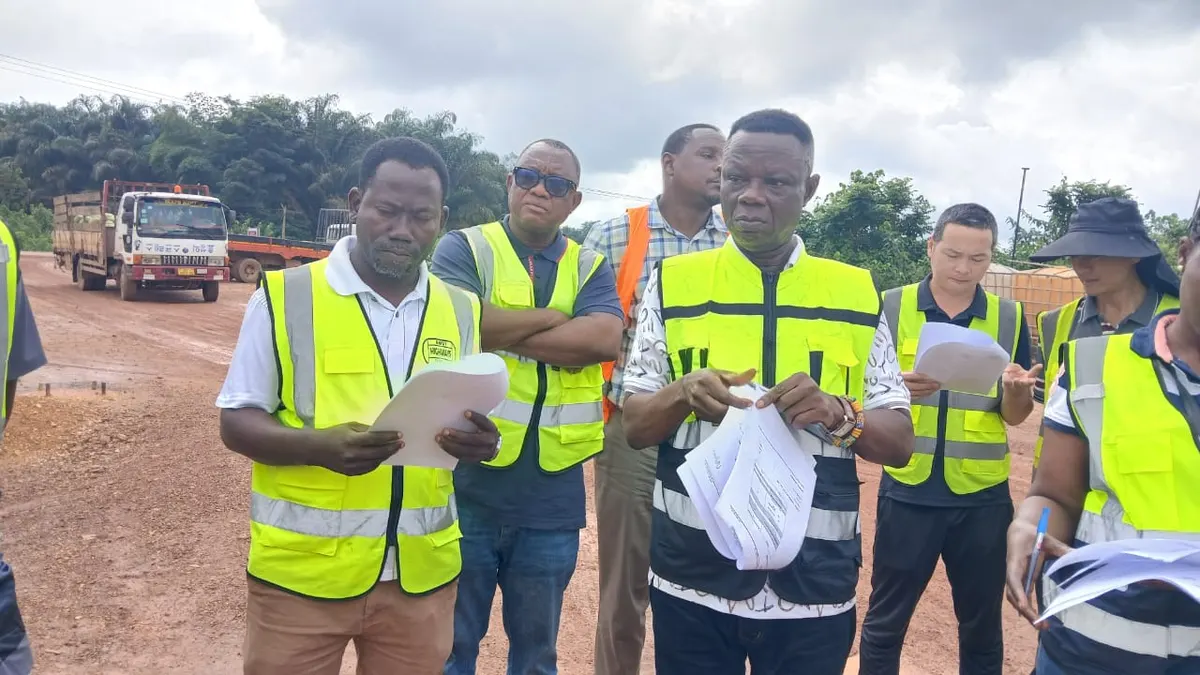
National Democratic Congress (NDC) Chairman John Dramani Asiedu Nketiah has commended the government for its substantial infrastructure commitment in the Bono Region, highlighting GHC14.12 billion in road projects currently underway across the area. The endorsement comes as the country navigates an economic landscape showing signs of stabilisation, with growth and inflation figures suggesting some improvement in macroeconomic conditions.
According to Asiedu Nketiah, Ghana's economy expanded by 6 per cent during the second quarter of the year, whilst inflation moderated to 5 per cent as of August. These metrics, he noted, reflect broader infrastructure activity being witnessed across various regions of the country, suggesting that government development initiatives are translating into measurable economic activity.
Road Investment in Regional Development
The Bono Region, located in Ghana's north-central zone, has historically faced infrastructure gaps that have constrained economic development and inter-regional connectivity. The GHC14.12 billion road projects represent a significant capital injection designed to address these longstanding challenges. Such investments typically target key corridors connecting commercial centres, agricultural hubs, and port linkages, improving trade efficiency and regional competitiveness.
Road infrastructure improvements have multiplier effects across economies. Better connectivity reduces transport costs for businesses, enables faster movement of goods to markets, attracts private investment, and improves access to services for rural communities. For the Bono Region specifically, enhanced roads could strengthen links to Accra and the southern markets whilst facilitating inter-regional trade within the northern corridor.
Why It Matters for Ghana
The convergence of improved macroeconomic indicators and visible infrastructure investment carries significance for Ghana's broader development trajectory. A 6 per cent quarterly growth rate, if sustained, signals recovery momentum following earlier economic pressures. The inflation figure at 5 per cent represents a meaningful decline from the double-digit levels experienced in recent years, suggesting improved price stability for consumers and businesses alike.
Regional infrastructure development is critical to Ghana's agenda of balanced growth. Historically, development has concentrated in southern coastal areas around Accra and Tema, whilst northern and central regions lag in infrastructure provision. Targeted investments in areas like Bono help redistribute development benefits, reduce regional inequality, and unlock the economic potential of agricultural and mineral-rich areas.
For ordinary Ghanaians, such projects translate into tangible improvements: shorter travel times, reduced vehicle maintenance costs, safer journeys, and better market access for farmers. However, the sustainability of these gains depends on project quality, timely completion, and effective maintenance regimes post-delivery.
Economic Context and Implications
Ghana's economic journey in recent years has been volatile, shaped by global commodity price fluctuations, currency pressures, and fiscal consolidation efforts. The 6 per cent second-quarter growth and moderated inflation suggest that policy measures implemented are yielding results. However, maintaining this momentum requires sustained infrastructure investment, fiscal discipline, and private sector confidence.
The acknowledgement from opposition political leadership of government infrastructure efforts is noteworthy in Ghana's polarised political environment. Such statements, whilst politically nuanced, underscore that infrastructure development transcends partisan lines and resonates as a national priority. Citizens typically judge governments substantially on their ability to deliver visible development projects that improve daily life.
The coming months will be critical in assessing whether these economic indicators prove sustainable or represent a temporary upswing. Completion timelines for the Bono road projects, their actual impact on regional commerce, and maintenance arrangements will provide clearer indicators of whether this infrastructure push translates into lasting development gains for communities.
Source: 3News


Comments (0)
Be the first to comment.