Roads Minister Seeks Armed Forces Protection for Sampa Highway Contractors Facing Security Threats

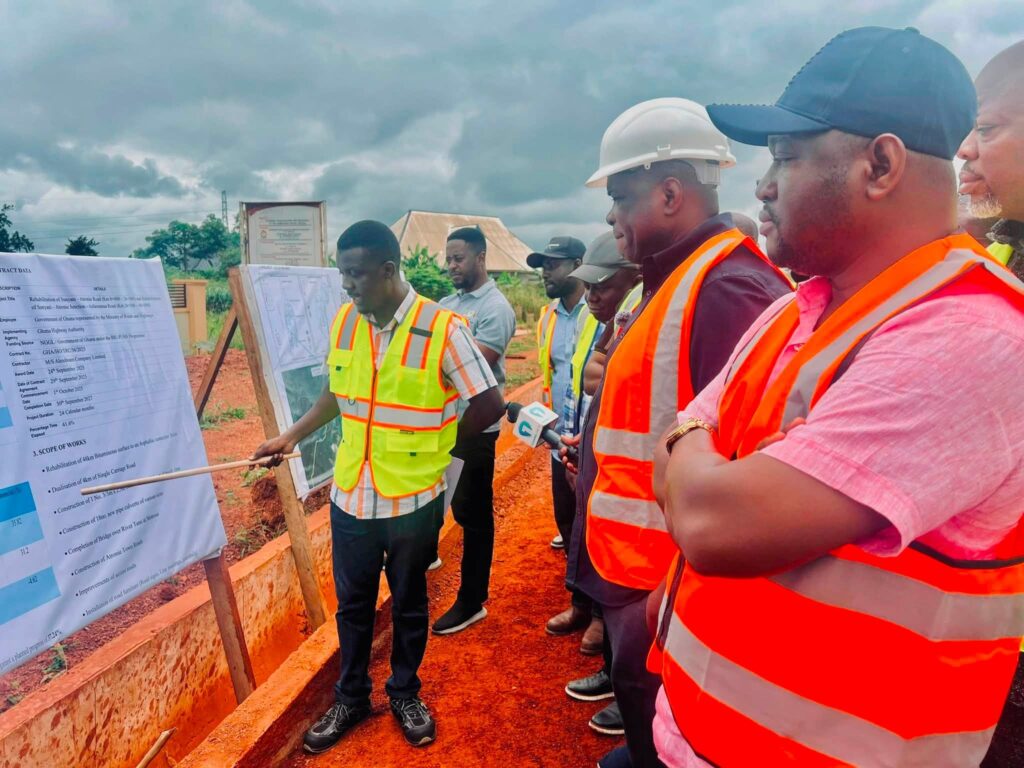
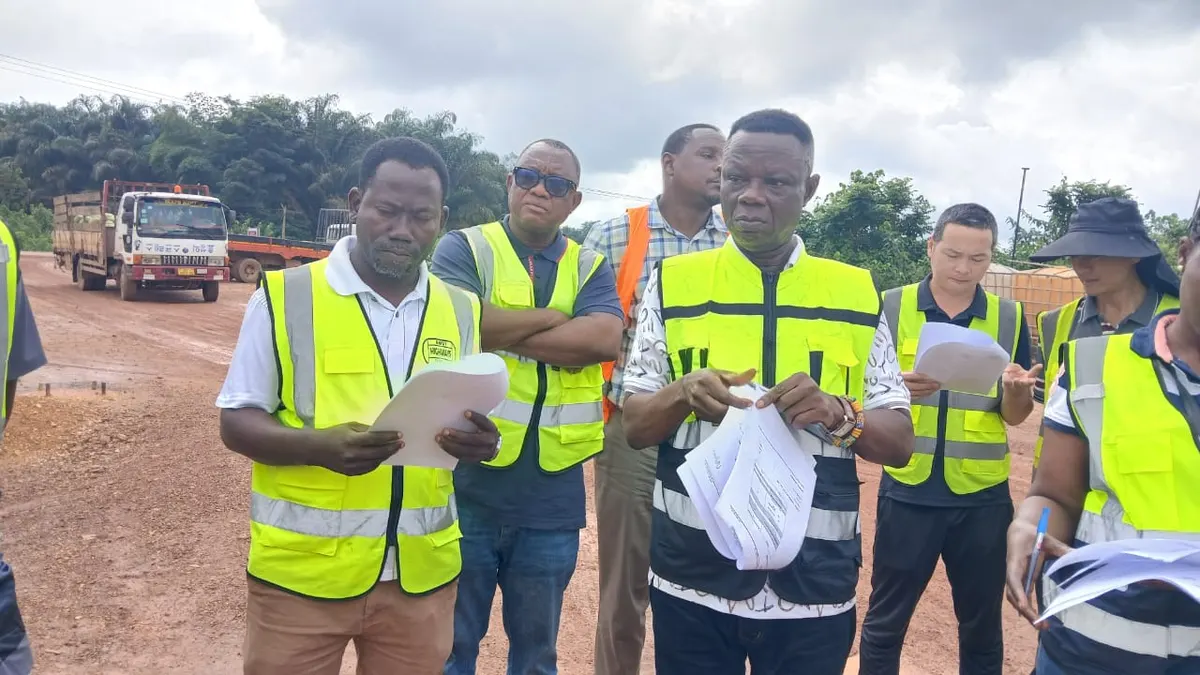
Roads Minister Governs Kwame Agbodza has made an urgent appeal to Ghana's security agencies and local stakeholders to strengthen protection for contractors working on the Wenchi–Nsawkaw–Debbi–Sampa road project, citing escalating safety concerns that threaten the infrastructure development initiative.
The Project and Its Strategic Importance
The Wenchi–Nsawkaw–Debbi–Sampa road corridor represents a significant infrastructure investment for Ghana's transportation network, particularly for communities in the Bono and Ahafo regions. The project aims to improve connectivity, reduce travel time, and stimulate economic activity across rural trading hubs and agricultural centres. However, the ongoing construction has reportedly exposed workers to security vulnerabilities that require urgent government intervention.
The Minister's appeal underscores the government's commitment to completing critical road networks whilst ensuring the safety of workers on-site. Road infrastructure projects across Ghana have historically faced delays and setbacks due to security challenges, particularly in remote areas where contractor presence may attract unwanted attention or where existing community tensions create hostile environments.
Security Challenges on Major Construction Projects
Contractors operating in Ghana's hinterland frequently contend with a range of security threats, from highway robbery targeting equipment and materials to labour disputes and communal conflicts. The appeal by Minister Agbodza reflects a broader pattern across West Africa where infrastructure workers face protection gaps during the execution of major development projects.
- Armed robbery targeting equipment and vehicles on construction sites
- Community tensions over land use and resource allocation
- Inadequate police presence in remote project areas
Why This Matters for Ghana
Ghana's infrastructure development agenda depends on creating secure working environments for construction teams. When contractors lack adequate security, projects experience cost overruns, schedule delays, and quality compromises—ultimately affecting the delivery of roads that communities depend on for commerce, healthcare access, and education services.
The Minister's direct appeal to security agencies signals recognition that collaboration between government ministries, the Ghana Police Service, military units, and traditional authorities is essential for project success. For rural communities in the Bono and Ahafo regions, completion of the Sampa road promises improved market access for agricultural products and reduced transportation costs.
Furthermore, this situation highlights the need for robust risk management frameworks in Ghana's road construction programme. Future projects may require pre-established security protocols, community engagement mechanisms, and joint security task forces to prevent similar disruptions. The appeal also demonstrates the government's willingness to allocate security resources to protect economic investments, a signal important for contractors bidding on future tenders.
Success on this corridor could serve as a model for managing security during large-scale infrastructure work elsewhere in Ghana, particularly in regions where development projects intersect with existing security challenges.
Source: 3News


Comments (0)
Be the first to comment.