
MP Calls for Review of FDA's Ban on Alcohol Sponsorship at Sporting Events


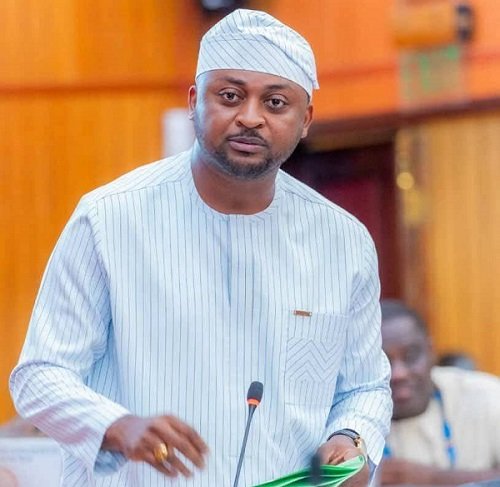
The Chairperson of Parliament's Youth and Sports Committee, Dr Ernest Norgbey, has sparked a fresh debate about sports funding in Ghana by describing the Food and Drugs Authority's (FDA) restriction on alcohol advertising during sporting events as an archaic provision that is holding back the development of sports in the country.
What the current rules say
Ghana's FDA regulations currently prohibit the advertising and promotion of alcoholic beverages at sporting events and activities. The restriction is part of broader public health safeguards designed to discourage alcohol consumption, particularly among young people who make up a significant portion of sports audiences. Violations of these provisions can attract sanctions from the regulatory body. While the intention behind the rules is rooted in health protection, critics like Dr Norgbey argue that the blanket ban is no longer fit for purpose in today's sporting landscape.
Why it matters for Ghana
Ghana's sports sector has long struggled with chronic underfunding. Local football clubs, athletics associations, and other sporting bodies frequently cite inadequate sponsorship as one of the biggest obstacles to talent development, infrastructure improvement, and competitive performance at the continental and global levels. The Black Stars, Ghana's national football team, as well as domestic league clubs, have consistently found it difficult to attract the kind of commercial backing that rivals in other African countries enjoy.
Alcohol and beverage companies are among the most aggressive sports sponsors globally. Brands in the beer and spirits industry pour billions into football, rugby, cricket and athletics worldwide — from the English Premier League to the Africa Cup of Nations. In many African countries, including Nigeria and South Africa, alcohol brands are permitted to sponsor sporting events under regulated conditions, giving those sports ecosystems a significant financial advantage.
Dr Norgbey's argument is that Ghana is essentially cutting itself off from a major potential revenue stream at a time when the country's sports associations desperately need commercial investment. He believes the provision should be reviewed to reflect modern realities, while still allowing room for responsible advertising guidelines that protect vulnerable audiences.
Balancing sport and public health
The debate is not straightforward. Public health advocates are likely to push back strongly against any relaxation of the FDA's rules, pointing to the well-documented links between alcohol advertising and increased consumption, especially among young people. Studies across various countries have shown that exposure to alcohol marketing at sports events can influence drinking behaviour in adolescents and young adults — a demographic that fills Ghana's stadiums.
Any review of the regulation would therefore need to strike a careful balance. Potential middle-ground solutions could include restrictions on advertising placements that target underage audiences, watershed-style rules for broadcast advertising, or mandatory health messaging accompanying any alcohol promotion. Some countries have adopted tiered systems that allow alcohol sponsorship of adult sporting events while maintaining stricter controls around youth competitions and school sports.
The conversation Dr Norgbey has started is an important one. Ghana cannot develop world-class sport on goodwill alone — sustainable funding structures are essential. However, public health must remain a central consideration in any policy reform. Parliament, the FDA, sports associations, health professionals and civil society groups will all need to be part of a broader national conversation before any changes are made to the existing framework.
- Dr Ernest Norgbey chairs Parliament's Youth and Sports Committee and has called the FDA ban outdated.
- Alcohol brands are among the biggest sports sponsors globally, including across Africa.
- Any policy review must carefully weigh sports funding needs against public health concerns.
Source: 3News




Comments (0)
Be the first to comment.