
Commonwealth Sports Ministers chart new course on funding and development—what it means for Ghana
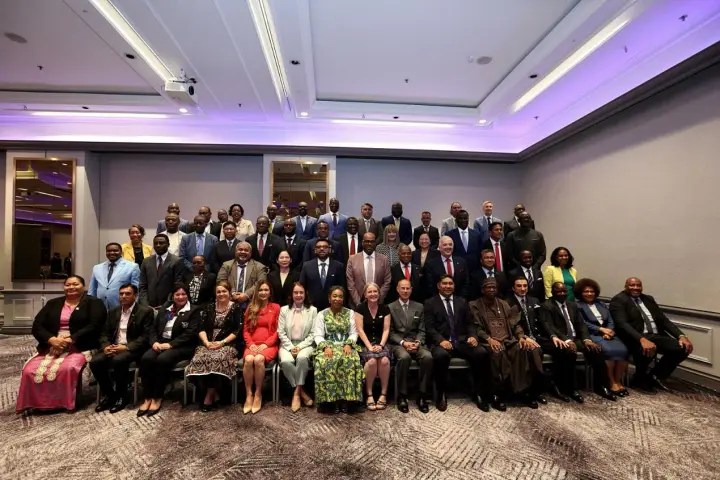

Sports Ministers from across the Commonwealth, including representatives from Ghana, have committed to strengthening cooperation on sport as a tool for sustainable development, inclusion and peace. The agreement, reached at the 12th Commonwealth Sports Ministers Meeting in Glasgow ahead of the Commonwealth Games, marks a significant shift in how member states view sport beyond competition—positioning it as a strategic investment in people and economies.
The meeting concluded with an ambitious Outcome Statement in which ministers called for dedicated funding, stronger partnerships and capacity-building initiatives. The focus reflects growing recognition that sport can improve public health, support young people, empower women and girls, create employment and drive economic growth across Commonwealth nations.
Sport as economic and social investment
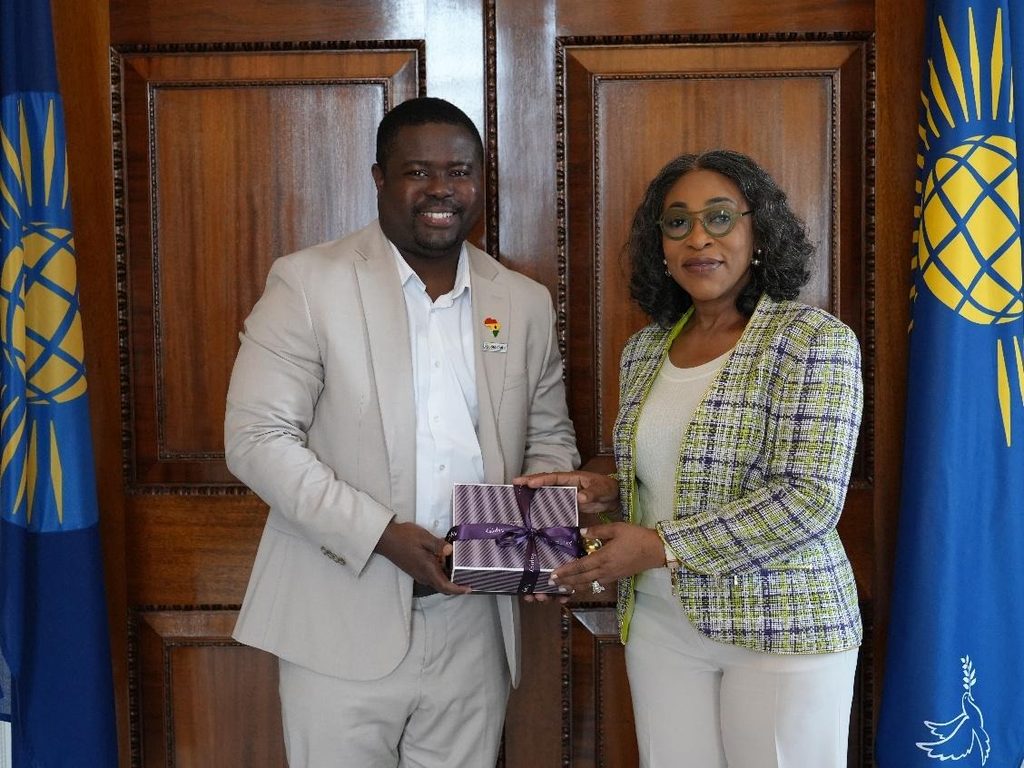
Commonwealth Secretary-General Shirley Botchwey underscored the broader potential of sport during the meeting. "For too long, sport has been viewed primarily through the lens of competition or entertainment," she said, emphasising that sport represents "an investment in people and a powerful force for healthier communities, greater inclusion, stronger economies and sustainable development."
The commitment extends to advancing gender equality in sport. Ministers signed the Brighton Plus Helsinki 2014 Declaration, which supports action to increase women's and girls' access to leadership, participation and decision-making in all levels of sport. This is particularly relevant for Ghana, where women's participation in organised sport remains constrained by funding gaps and limited opportunities for female athletes and administrators.
The meeting brought together sports ministers and senior officials from 56 Commonwealth member countries, alongside athletes, civil society representatives and development partners, underscoring the broad coalition backing this agenda.
Why it matters for Ghana
For Ghana, these commitments carry practical significance. As a Commonwealth member with a strong sporting tradition—particularly in football—the agreements on increased funding access and capacity-building could unlock resources for grassroots sports development and athlete support programmes that currently struggle with underfunding.
The emphasis on sport as a tool for youth engagement and employment is especially timely given Ghana's demographic profile, with a large young population. Investment in community sport and physical activity can address social isolation, improve mental health outcomes and create pathways to employment in sports administration, coaching and related sectors.
Additionally, Ghana's commitment to gender equality initiatives through the Brighton Plus Helsinki Declaration aligns with broader national development goals and could drive systemic improvements in women's access to sport at all levels—from grassroots football clubs to national team management.
Looking ahead
The outcomes from this meeting are expected to inform discussions at the Commonwealth Heads of Government Meeting scheduled for Antigua and Barbuda in November 2026, as well as shape the 2027 Commonwealth Youth Games in Malta and the centenary Commonwealth Games in India in 2030. These upcoming events present opportunities for Ghana to leverage the new cooperative framework and pursue additional funding and technical support for its sports development agenda.
Ministers also discussed making major sporting events more sustainable—a key consideration as the Commonwealth reflects on the financial and environmental costs of hosting large-scale competitions. This shift toward sustainability could influence how Ghana approaches future bids to host international sporting events.
Source: Ameyaw Debrah



Comments (0)
Be the first to comment.