Ghana's Commonwealth Games ambitions hampered by poor planning and funding gaps, stakeholders warn

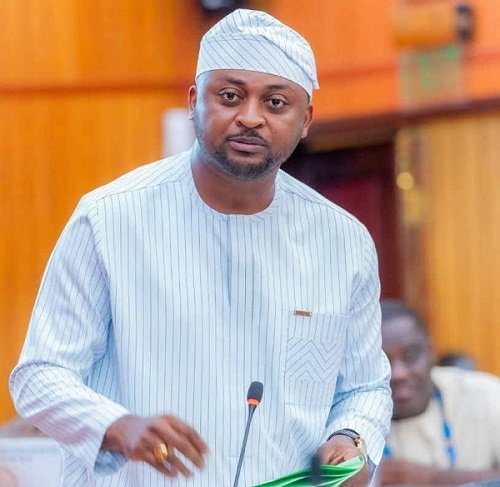
Ghana's ability to compete effectively at the Commonwealth Games remains constrained by a lack of sustained planning and inconsistent financial support, according to sports officials and stakeholders interviewed at a recent forum addressing the nation's sporting future.
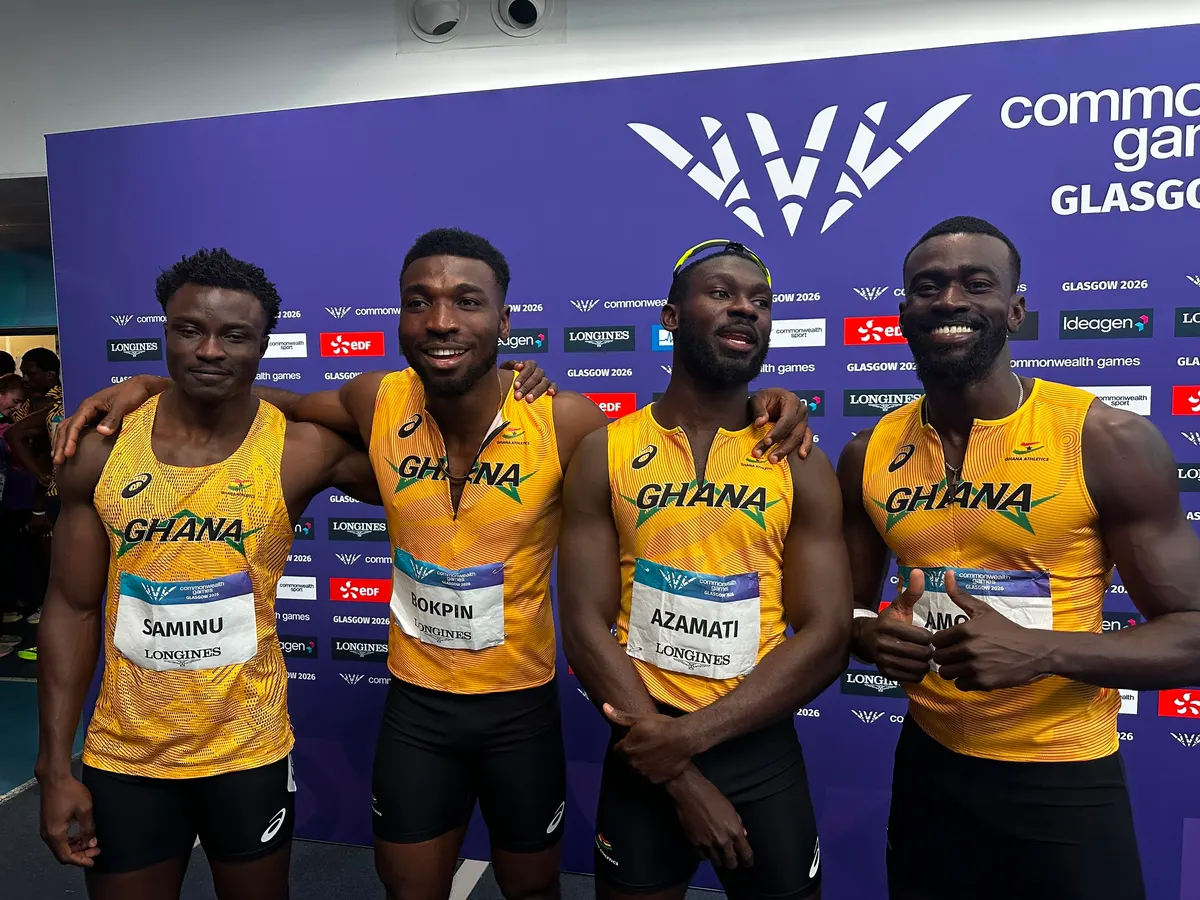
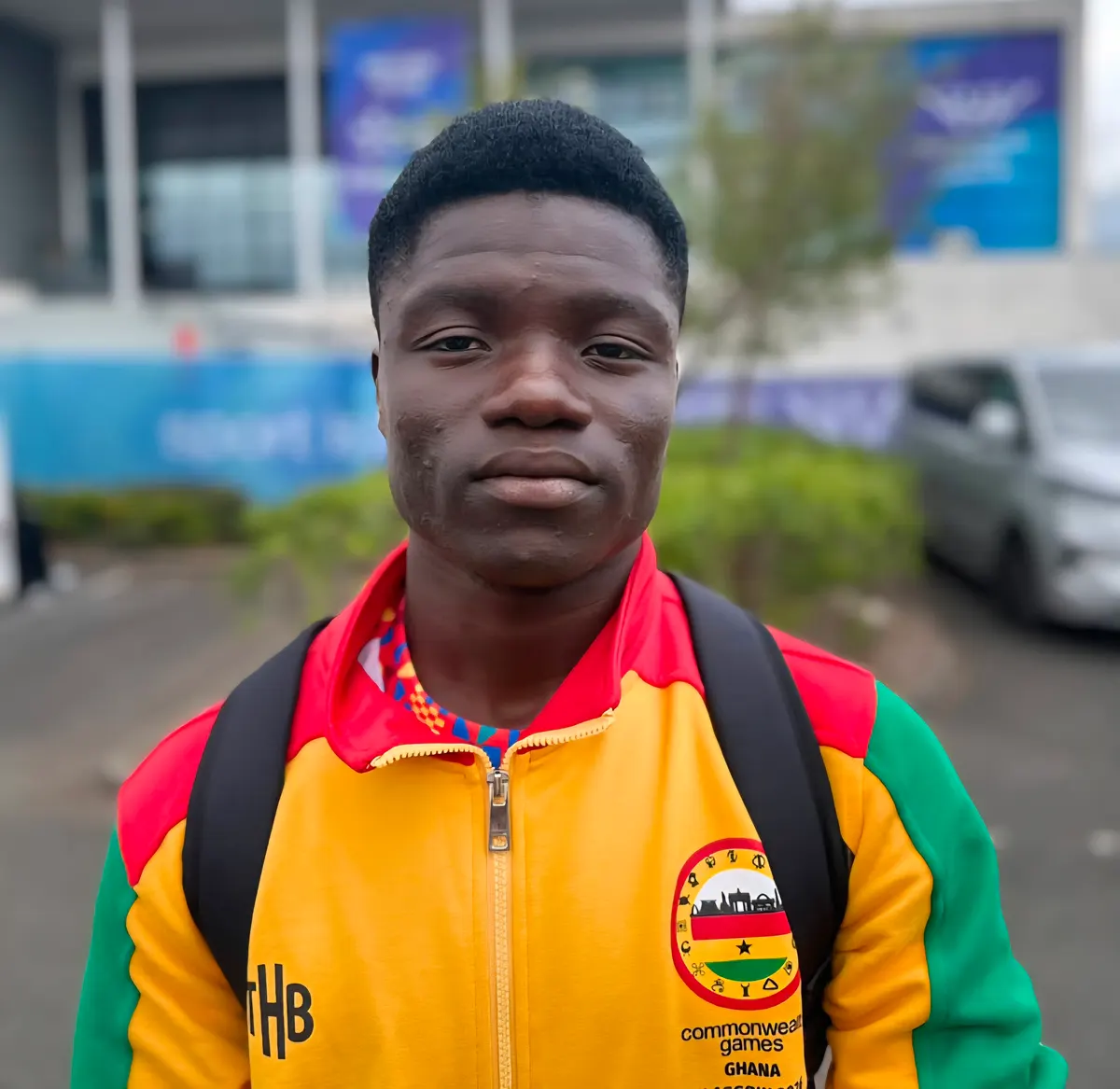
Despite producing a consistent stream of athletically gifted young Ghanaians, the country has repeatedly fallen short of maximising its potential on the Commonwealth stage. Officials attribute this disparity directly to inadequate preparation timelines and sporadic funding patterns that leave athletes undertrained and under-resourced.
The talent-to-performance gap
Ghana's track record at recent Commonwealth Games has shown promise in isolated instances, yet the overall medal haul remains modest compared to the nation's population and sporting potential. Stakeholders argue that the root cause is systemic: while talent identification and grassroots development exist, they operate in isolation rather than as part of a coherent, long-term athletic development pathway.
The issue extends beyond individual athletes to infrastructure, coaching quality, and nutritional support. Many promising competitors never reach international standard because the transition from domestic to Commonwealth-level competition lacks structured progression. Funding spikes around major events only to dry up in between, leaving athletes without consistent access to training facilities, world-class coaches, or competition opportunities.
Why it matters for Ghana
The Commonwealth Games represent a crucial stepping stone for African athletes seeking global recognition and sponsorship. Strong performances at these events often lead to opportunities at the Olympic Games and world championships, where medal success brings national prestige and international visibility. For Ghana specifically, medals at major sporting events have historically boosted national morale and youth engagement in athletics.
The stakeholders' call for long-term planning reflects broader concerns about Ghana's sporting infrastructure. Unlike nations that treat athletic development as a multi-year investment, Ghana's approach has been reactionary—mobilising resources only when Games approach, then allowing programmes to collapse afterward. This stop-start cycle wastes talent and demoralises athletes who lose training momentum between competitions.
Path forward: Building sustainable systems
Stakeholders are advocating for:
- A dedicated annual budget ring-fenced specifically for Commonwealth Games preparation, independent of annual budget cycles
- A centralised athlete development programme with clear progression pathways from junior to senior level
- Investment in coaching education and recruitment of international specialists in key sports
- Partnerships with private sponsors and corporate Ghana to diversify funding sources
- Regular competition schedules allowing athletes to gain international experience outside major Games years
The conversation reflects a maturation in how Ghana's sporting community views medal success. Rather than viewing Commonwealth Games as standalone events, stakeholders now emphasise the need for integrated systems that develop athletes across four-year cycles, ensuring that when Ghana's representatives arrive at the Games, they are match-fit and psychologically prepared.
Success will require commitment from the Ghana National Sports Authority, the government's sports ministry, and private sector partners willing to invest in long-term programmes that may not show immediate returns but will ultimately position Ghana as a consistent medal competitor in Commonwealth competition.
Source: 3News
Comments (0)
Be the first to comment.