
Minerals Commission alerts Ghanaians: Fake recruitment scams on the rise
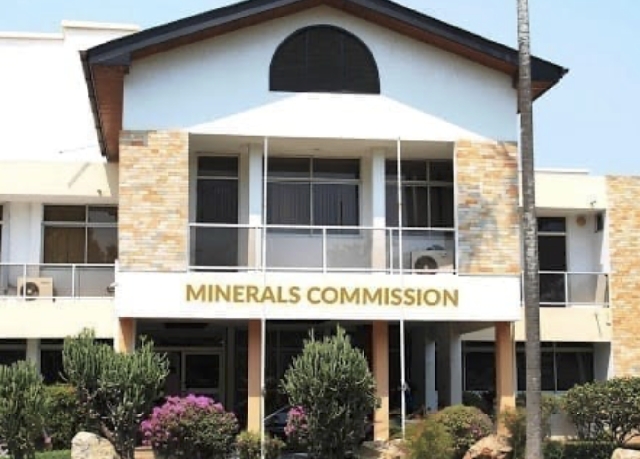
The Minerals Commission has issued a stark warning to Ghanaians seeking employment, cautioning them against a growing wave of fake job recruitment schemes targeting unsuspecting applicants. Fraudsters are allegedly posing as authorised agents of the Commission, offering positions and promising to fast-track recruitment processes in exchange for money—a classic employment scam plaguing Ghana's job market.
In a statement, the Commission made clear that it has not authorised any individual, private agent, or unauthorised group to conduct recruitment on its behalf. This distinction is critical for job seekers navigating an increasingly congested digital landscape where scammers exploit genuine opportunities to defraud vulnerable applicants.
How the scams operate
The typical pattern involves con artists contacting potential applicants—often through social media, WhatsApp, or phone calls—claiming to have direct access to positions within the Minerals Commission. They then request various payments, framed as "facilitation fees," "down payments," or "processing charges," promising that the money will secure employment. Once payment is made, contact is lost and the job never materialises.
The Commission has reiterated that all legitimate public service recruitment is completely free. No applicant should ever be asked to pay money upfront to secure a government job. This principle applies across all public institutions in Ghana, yet scammers continue to exploit the desperation of jobless Ghanaians and the opacity of formal recruitment processes.
Where to find legitimate opportunities
The Minerals Commission confirmed that whenever genuine vacancies arise, they will be advertised exclusively through official channels:
- National newspapers
- The Commission's official website
- Verified social media accounts (applicants should confirm accounts are legitimate)
- Recognised news portals
Job seekers are urged to rely only on these official sources and to avoid engaging with private agents or intermediaries claiming insider access to recruitment decisions. Legitimate employers do not conduct business through unverified middlemen.
Why this matters for Ghana
Employment scams represent a significant challenge in Ghana's labour market, where youth unemployment remains high and competition for public sector jobs is fierce. These frauds do more than drain individual bank accounts—they erode public trust in genuine government institutions and divert job seekers' resources away from legitimate opportunities.
For Ghana's economy, this matters because thousands of vulnerable citizens—particularly young graduates—lose money they cannot afford to lose, and their frustration with fraudulent schemes can translate into distrust of legitimate public institutions. The Minerals Commission's warning is therefore not merely procedural; it reflects a broader governance challenge around fraud prevention and public communication.
The Commission has called on anyone approached with such scams to report immediately to local law enforcement or through its official contact channels. Citizens should also report suspicious accounts on social media claiming to represent the Commission or other public institutions, as this helps authorities track and shut down fraudulent operations.
As Ghana continues to strengthen its public service and attract talent into critical sectors like mining and minerals management, protecting applicants from scams is essential to maintaining the integrity of the recruitment process.
Source: MyJoyOnline



Comments (0)
Be the first to comment.