Public office is a sacred trust, not a prize — Julius Debrah tells leaders on Founder's Day
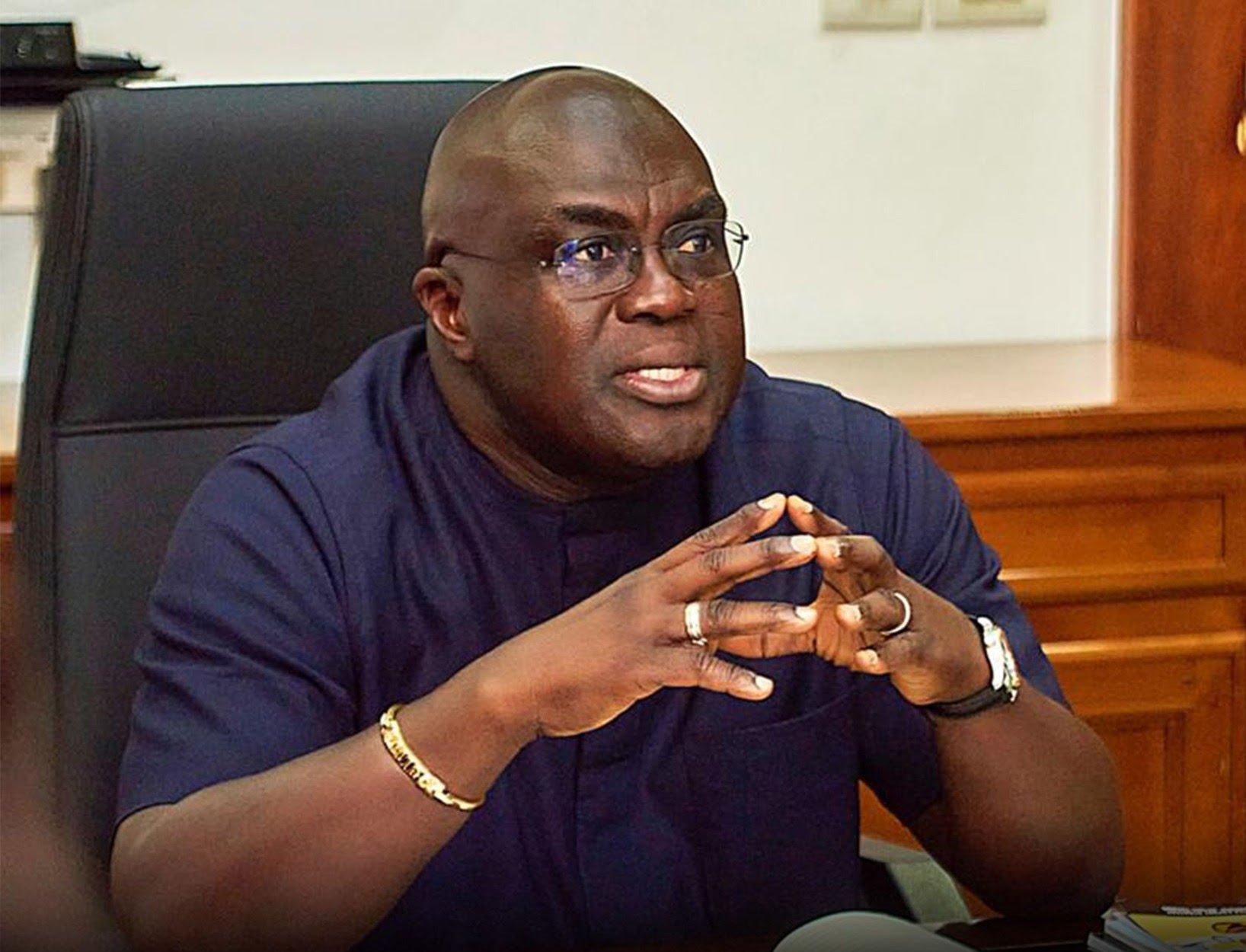
Ghana's Chief of Staff Julius Debrah has called on public office holders to treat their positions as a solemn responsibility to the nation rather than personal privilege, drawing lessons from the life and vision of Ghana's founding President, Kwame Nkrumah.
Speaking on Founder's Day on Monday, September 21, Mr Debrah emphasised that Nkrumah's enduring legacy should serve as a moral compass for current and future leaders navigating the complexities of governance. He stressed that those entrusted with public office must remember that their authority derives from the people and must be exercised solely for the public good.
"Authority is a trust and the sole purpose of public service is to serve the people," Mr Debrah stated, framing his message around the principle that leadership demands accountability and selflessness rather than the pursuit of personal gain or political advantage.
Nkrumah's vision for Ghana and Africa
Mr Debrah painted a portrait of Nkrumah as a statesman whose ambitions extended far beyond Ghana's borders. The former President envisioned a nation anchored on three pillars: an educated populace equipped to drive development, a diversified economy capable of standing on its own feet, and a confident nation asserting itself as an equal partner on the world stage.
Central to Nkrumah's philosophy was the conviction that Ghana's progress could not be separated from the broader cause of African unity and advancement. This continental outlook shaped his foreign policy and his commitment to supporting liberation movements across Africa during the post-independence period.
According to Mr Debrah, Nkrumah's greatest gift to Ghana was the psychological confidence he instilled in a newly independent nation—the belief that a young African country could aspire to greatness and achieve meaningful transformation within a single generation.
Why this message matters for Ghana today
Mr Debrah's invocation of Nkrumah's legacy arrives at a time when public trust in institutions and officials remains a critical concern for many Ghanaians. Persistent concerns about corruption, misuse of public resources, and leaders prioritising personal enrichment over national development have eroded confidence in governance.
By framing political authority as a trust rather than a possession, the Chief of Staff is attempting to redirect focus towards the foundational principles upon which Ghana's independence was built. The message carries an implicit critique of leaders who view office as an opportunity for personal advancement rather than national service.
The reference to building "for generations" also speaks to a longer-term vision of development that prioritises sustainable progress over short-term gains—a distinction increasingly relevant as Ghana grapples with economic pressures, infrastructure deficits, and the need for long-term planning in areas such as education, healthcare, and industrialisation.
Mr Debrah's call echoes Nkrumah's own philosophy that true leadership requires sacrifice, vision, and an unwavering commitment to the collective good. Whether such rhetoric translates into concrete changes in how power is exercised remains to be seen, but the articulation of these principles at the highest levels of government signals an acknowledgement that restoring faith in institutions depends on a return to foundational values of service and accountability.
Source: MyJoyOnline


Comments (0)
Be the first to comment.