Mahama says cedi needs security update as Bank of Ghana considers currency refresh
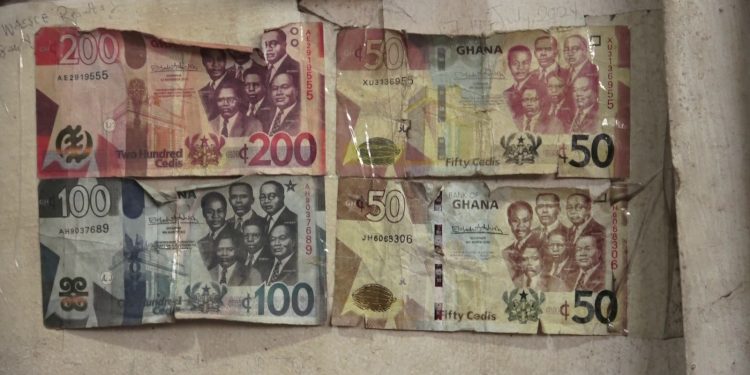
President John Dramani Mahama has backed calls for Ghana's cedi to undergo a security refresh, arguing that the currency is overdue for an update to strengthen its protection against counterfeiters. Speaking during a tour of the Upper East Region, the President explained that periodic currency updates are a standard practice globally to keep pace with counterfeiting threats.
Mahama noted that most countries redesign their currencies approximately every decade, updating security features to make replication increasingly difficult for counterfeiters. He emphasised that once new security features are introduced, it typically takes criminals several years to develop the technical capability to forge updated banknotes.
How currency refresh works
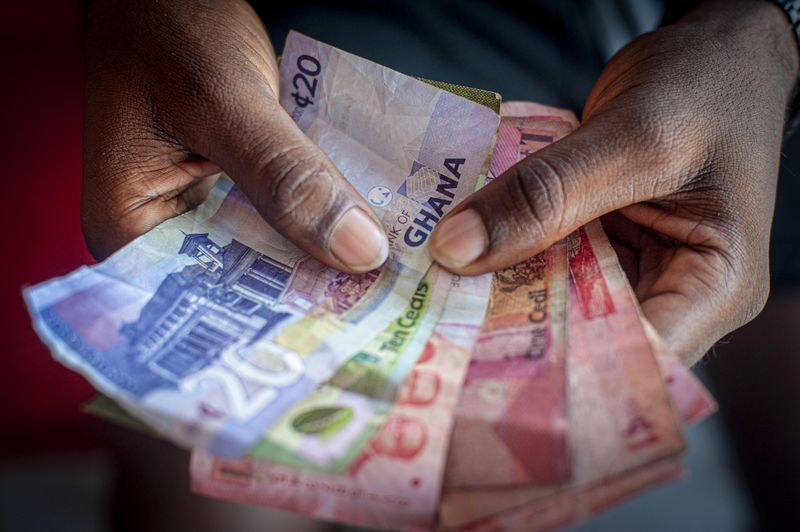
A currency refresh involves upgrading the security features embedded in banknotes—such as watermarks, holograms, colour-shifting ink, and microprinting—rather than changing the cedi's fundamental value or conducting a full redenomination. The President clarified that such updates do not affect the purchasing power of the currency or require Ghanaians to exchange old notes for new ones at different rates.
"Every country, every 10 years, you are supposed to refresh your currency because if you use the same currency for too long, people learn how to counterfeit it," Mahama explained. He noted that the Bank of Ghana is actively considering such measures and will communicate timelines to the public at an appropriate moment.
The President stressed that any decision to redesign or replace banknotes rests exclusively with the central bank, not the political leadership. "Like I said, at the appropriate time, the governor will apprise us of any plans that he has for replacing the currency," he said.
Why it matters for Ghana
Currency counterfeiting poses a real threat to Ghana's economy, eroding public confidence in the financial system and complicating monetary policy. A refresh would strengthen the cedi's integrity and make it harder for criminal networks to flood the market with fake notes. This is particularly important in West Africa, where cross-border trade and informal money exchange create vulnerabilities to counterfeiting.
The timing of Mahama's remarks also reflects broader government focus on economic stability. Ghana's cedi has faced significant pressure in recent years, and maintaining currency security is one tool policymakers use to protect its value. A modern, difficult-to-counterfeit currency also signals to international markets that Ghana takes financial system integrity seriously.
Cedi stability and economic management
Beyond the counterfeiting issue, Mahama used the occasion to defend the cedi's recent performance, attributing its relative stability to improved economic management under his administration. He argued that a currency's strength ultimately depends on the strength of the underlying economy and the fiscal policies governments implement.
"Your currency is as strong as your economic management," he stated, pledging that government would continue implementing policies to bolster both the economy and the cedi's value. The remarks come as Ghana navigates post-IMF programme economic recovery and efforts to rebuild investor confidence.
No timeline has been announced for when the Bank of Ghana might introduce a refreshed cedi design. The central bank will determine the scope, timing, and specific security features of any update in consultation with government.
Source: The Ghana Report


Comments (0)
Be the first to comment.