
Mahama's GoldBod Plan: How Ghana Aims to Keep More Gold Wealth at Home


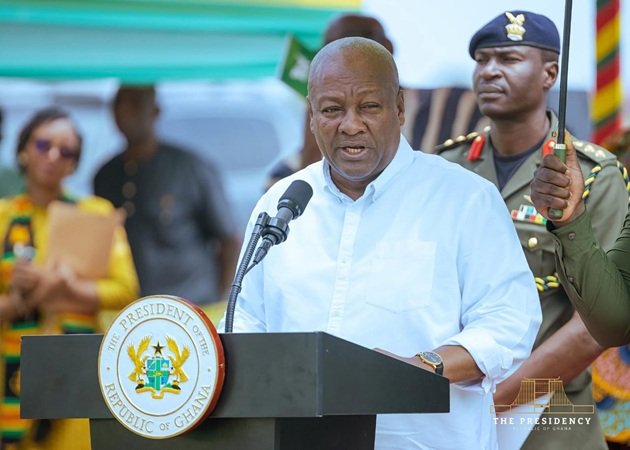
President John Dramani Mahama has announced an ambitious new initiative through the Ghana Gold Board (GoldBod) designed to transform how the nation processes and profits from its vast gold resources. The policy framework aims to shift Ghana's role in the global gold supply chain—moving beyond simply exporting raw ore to retaining significantly more wealth through domestic testing and refining operations.
Currently, much of Ghana's gold extraction value leaks overseas. Miners extract ore, which is then shipped abroad for processing, testing and refining, with Ghana capturing only a fraction of the total value generated. This means jobs, expertise development, tax revenue and industrial capacity remain concentrated in foreign economies rather than strengthening Ghana's own sector.
What the GoldBod Policy Seeks to Achieve
The new policy framework represents a deliberate shift in strategy. By investing in local testing and refining infrastructure, GoldBod aims to create a vertically integrated gold industry within Ghana's borders. This approach would allow the country to add value at multiple stages of production rather than exporting semi-processed materials.
Key objectives include:
- Establishing or upgrading testing facilities to certify gold quality domestically before export
- Developing refining capacity to produce higher-purity gold products locally
- Creating employment opportunities across the testing, refining and quality assurance sectors
- Capturing additional tax and revenue from value-added processing
- Building technical expertise and industrial capabilities within Ghana's workforce
Why It Matters for Ghana's Economy
Ghana ranks among Africa's top gold producers, yet the nation has historically struggled to maximise returns from this natural resource wealth. The GoldBod initiative represents a recognition that commodity dependence requires strategic value-chain positioning to truly benefit the economy.
If successfully implemented, the policy could reshape Ghana's relationship with its mining sector. Rather than functioning as a raw material supplier to global markets, Ghana would position itself as a serious processing hub—potentially attracting investment in related industries like jewellery manufacturing, electronics component production and industrial applications.
The policy also carries implications for artisanal and small-scale miners. A strengthened domestic testing and refining ecosystem could provide these operators with formal, transparent pathways to sell their gold, reducing dependence on informal markets and improving traceability for both buyers and regulators.
Challenges Ahead
Realising this vision requires substantial capital investment in infrastructure, technological expertise and regulatory frameworks. Ghana must compete with established international refining centres that have decades of operational experience and efficiency advantages. Training a skilled workforce in complex refining processes takes time and resources.
Additionally, international buyers and jewellery manufacturers have established supply chains; convincing them to source refined Ghanaian gold instead of their current suppliers will require demonstrating quality consistency, reliability and competitive pricing.
President Mahama's GoldBod initiative signals a strategic ambition to move Ghana up the gold value chain. Success would not only increase government revenue but could catalyse broader industrialisation, job creation and technical capability development—transforming gold from simply a resource extraction story into a genuine engine of domestic economic growth.
Source: 3News




Comments (0)
Be the first to comment.