
Mahama's Flood Task Force launches major dredging drive across Accra to prevent future disasters
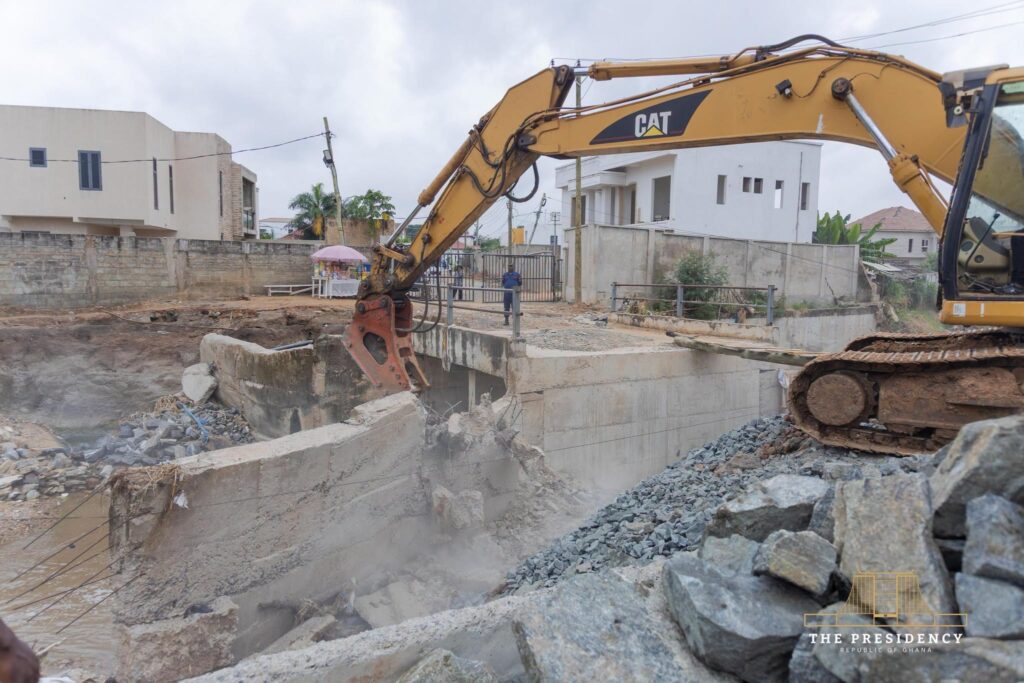

Ghana's Flood Mitigation Task Force has begun an aggressive cleanup of Accra's waterways, demolishing illegal structures and dredging clogged drainage channels in response to President John Mahama's directive to prevent future flooding disasters.
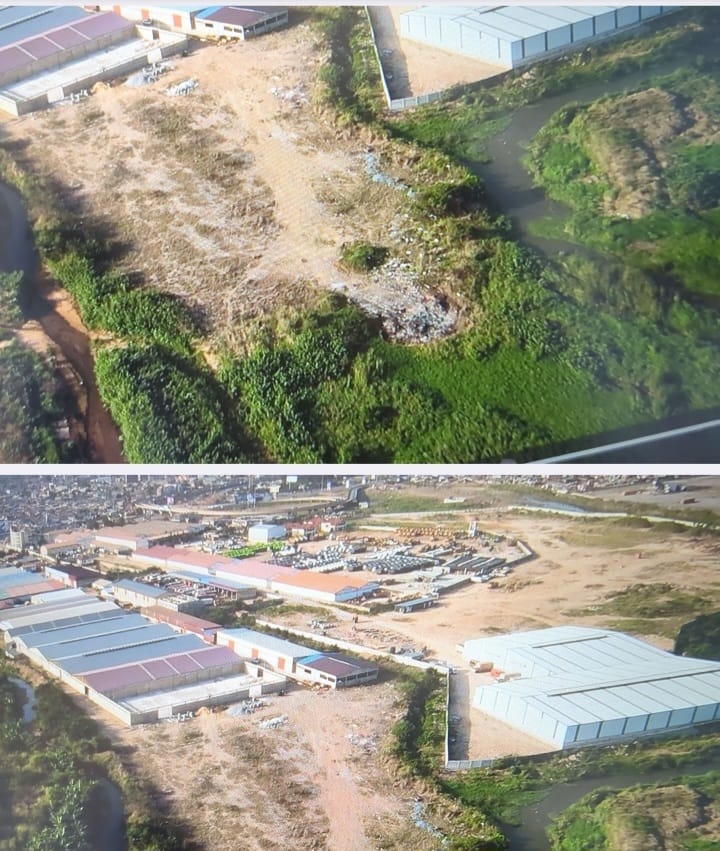
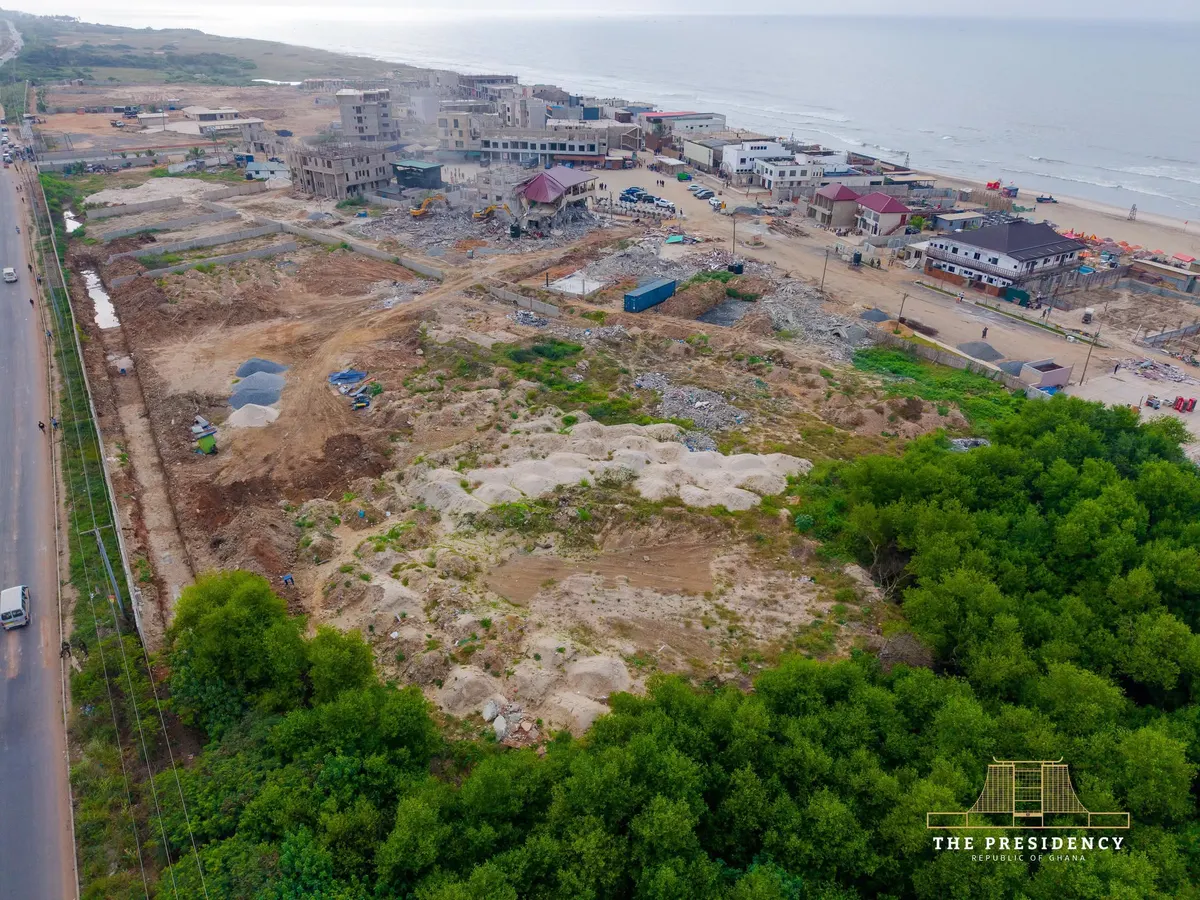
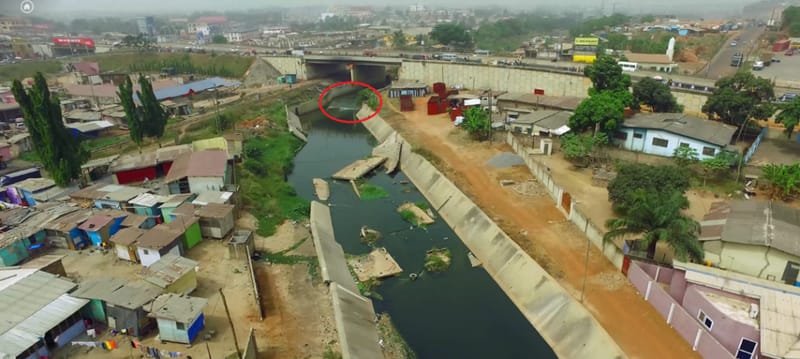
The first phase of operations has focused on some of the capital's most flood-prone areas, including New England, zones behind Mayfair Garden Estates, the Tesa Dam enclave in East Legon, and Oyarifa. Task Force teams have systematically removed illegal buildings and structures that have been blocking natural water flow, whilst simultaneously undertaking dredging work to restore the capacity of waterways to handle rainfall.
Phased approach targets multiple communities
The operation is structured in phases to ensure comprehensive coverage across the city. Whilst the initial wave tackles the four priority zones mentioned, a second phase is planned for Weija, Mallam, and Laboma—neighbourhoods that have also experienced recurrent flooding during heavy rains. This staged methodology allows the Task Force to concentrate resources effectively whilst maintaining momentum across affected communities.
The demolition of structures obstructing drainage systems represents a critical intervention, as illegal building on waterway banks and in flood plains has long been identified as a major contributor to Accra's persistent flooding challenges. By clearing these blockages, water can flow more freely to natural outlets, significantly reducing inundation risk.
Why it matters for Ghana
Flooding remains one of Ghana's most destructive annual hazards, particularly during the rainy seasons. In previous years, torrential rains have submerged homes, destroyed property, disrupted commerce, and claimed lives in Accra and other urban centres. The visible commitment to tackling the root causes—rather than merely responding after disaster strikes—signals a shift towards preventative infrastructure management.
For Accra residents in chronically affected zones, this initiative offers concrete hope. Communities in New England, East Legon, Oyarifa, Weija, and surrounding areas have endured repeated cycles of flooding, property damage, and displacement. A sustained effort to maintain clear waterways and remove obstructions could substantially reduce vulnerability to the next heavy downpour.
The Task Force's emphasis that this is not a one-off operation is equally significant. Dredging, inspections, and continuous monitoring throughout the year suggest recognition that flood prevention requires systematic, ongoing maintenance rather than emergency interventions. Keeping drains, dams, and waterways in working order year-round is essential to protecting lives and property when the rains return.
Long-term strategy takes shape
The Flood Mitigation Task Force frames this work as part of a broader long-term flood prevention strategy. Demolition and dredging alone are not sufficient; the Task Force indicates it will maintain vigilant oversight of critical infrastructure. Regular inspections will help identify emerging blockages or structural issues before they become critical problems.
Urban planning challenges in Accra—including informal settlements in flood-prone areas and inadequate drainage infrastructure—will require sustained coordination between the Task Force, local authorities, and communities. The success of this initiative will partly depend on preventing re-encroachment of cleared waterways and ensuring that newly dredged channels remain unobstructed.
As Accra heads into the rainy season, the Task Force's work serves as both an immediate relief measure and a test case for the government's commitment to tackling urban flooding systematically. Ghanaians in vulnerable areas will be watching closely to see whether the initial momentum translates into measurable reduction in flooding incidents when the heavy rains arrive.
Source: MyJoyOnline


Comments (0)
Be the first to comment.