Critical Fire Safety Gap: 23 Hydrants Down at Ghana's Government Hub

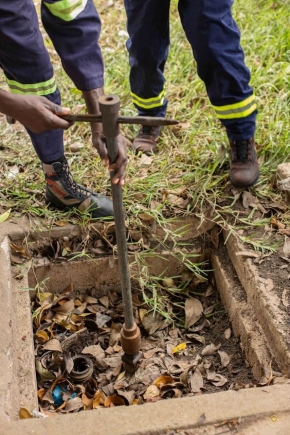
The Ghana National Fire Service (GNFS) has raised alarm over severe infrastructure deficiencies at the heart of Ghana's government district, with inspectors uncovering 23 non-functional fire hydrants at the Ministries enclave in Accra. The damning discovery emerged following a joint inspection conducted by the Greater Accra Regional Fire Command and Ghana Water Limited, highlighting critical gaps in emergency preparedness at a location housing some of the nation's most important institutional buildings.
The Ministries enclave—a sprawling government compound in central Accra—hosts multiple ministerial offices, administrative headquarters, and civil service institutions. The presence of non-functional hydrants in this high-profile area represents a significant vulnerability, as fire hydrants remain among the most essential first-line defences against uncontrolled fires in built-up districts where rapid water access is critical.
Infrastructure Crisis at Government Centre
The GNFS inspection findings underscore a broader infrastructure maintenance challenge affecting the nation's capital. Fire hydrants require regular testing, maintenance and repair cycles to remain operational, yet the discovery of such a large number of failures suggests inadequate oversight or resource constraints in preventive maintenance programmes. The involvement of Ghana Water Limited in the inspection points to coordination between the fire service and water authorities, though the scale of the problem indicates systemic issues may extend beyond the Ministries enclave itself.
Such deficiencies carry real consequences. In an emergency, functional hydrants enable rapid water supply to fire crews, potentially making the difference between contained incidents and catastrophic blazes. The enclave's central location and institutional significance make equipment failures particularly concerning—a major fire here could impact government operations, critical records, and pose risks to thousands of workers and visitors daily.
Why It Matters for Ghana
This discovery carries implications well beyond a single government compound. First, it reflects on Ghana's infrastructure maintenance culture and the capacity of relevant agencies to manage essential public safety systems. Second, the Ministries enclave represents the visual and operational heart of Ghanaian governance; its vulnerability to fire hazards raises questions about broader emergency preparedness across government facilities nationwide. Third, the findings may indicate that similar problems exist in other parts of Accra and other cities, suggesting a country-wide maintenance backlog affecting public safety infrastructure.
The incident also underscores the importance of regular audits of critical safety systems. Fire safety is not merely a technical matter—it is a governance responsibility. Citizens and businesses in Accra rely on the assumption that public infrastructure, particularly in government areas, meets minimum safety standards.
Next Steps and Accountability
The GNFS report brings these deficiencies into the open, creating pressure for remedial action. Key questions now include: Who is responsible for maintaining these hydrants? What timeline exists for repairs? Will there be a broader audit of fire safety infrastructure across other government facilities and commercial districts? The answers will determine whether this inspection marks the beginning of systematic improvements or remains a documented problem without adequate follow-up.
Ghana Water Limited and the GNFS must clarify their respective roles in addressing these failures and communicate a realistic repair schedule to the public. Transparency and accountability will be essential to restoring confidence in public safety infrastructure at the nation's administrative centre.
Source: 3News

Comments (0)
Be the first to comment.