Critical Fire Safety Gap: Only 5 of 30 Hydrants Working in Accra's Ministries District
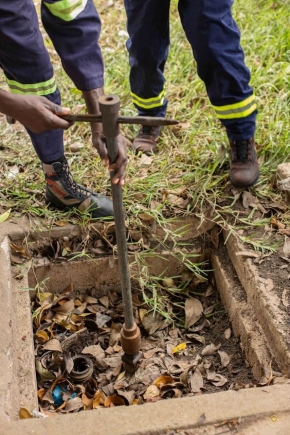
A stark firefighting crisis has emerged in Accra's Ministries enclave, where the Greater Accra Regional Fire Command discovered that just five of approximately 30 fire hydrants inspected are fully operational. The troubling finding underscores significant gaps in emergency preparedness across some of Ghana's most critical government institutions, where fires could pose catastrophic risks to essential services and personnel.
The joint inspection by the Ghana National Fire Service and Ghana Water Limited revealed a dire situation: two hydrants suffered low water pressure, whilst a staggering 23 remained completely non-functional. The exercise exposed vulnerabilities not only in existing infrastructure but also in basic provision—the Controller and Accountant General's Department (CAGD), which manages the nation's public finances, has no fire hydrant on its premises whatsoever.
Scope of the Assessment
The inspection covered major government institutions including the State Interests and Governance Authority (SIGA), the Social Security and National Insurance Trust (SSNIT), the ministries overseeing Transport, Roads and Highways, Energy, and Finance, the Ghana Revenue Authority (GRA), Ghana Health Service (GHS), the National Lottery Authority (NLA), the Court Complex and the Accra Sports Stadium. These institutions represent the backbone of Ghana's public administration and essential services, making their fire safety status a matter of national concern.
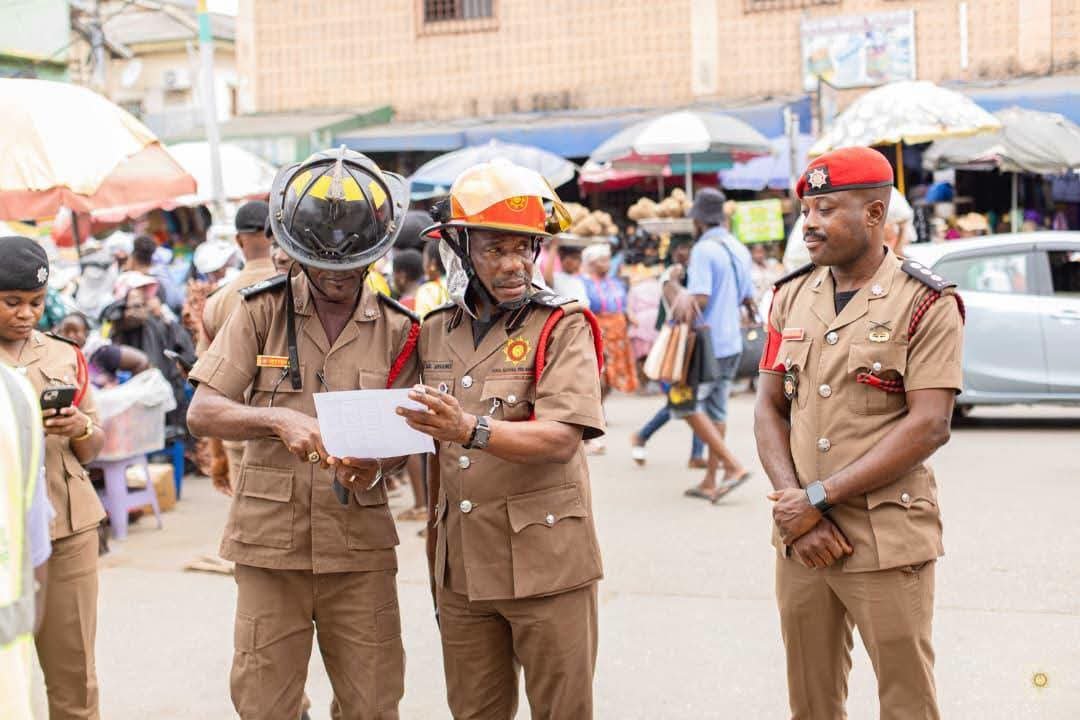
Regional Fire Officer ACFO II Rashid Nisawu has directed CAGD management to collaborate urgently with both the Ghana National Fire Service and Ghana Water Limited to install a hydrant at the department's location. The fire service has framed the inspection as a proactive measure timed ahead of the fire season—a period when dry conditions and heightened activity typically increase the risk of major blazes.
Why This Matters for Ghana
This inspection result carries serious implications for Ghana's institutional resilience and public safety. The Ministries enclave houses critical government operations; a major fire in any of these buildings could disrupt essential services, destroy irreplaceable records, and put thousands of civil servants at risk. The low functionality rate—just 17%—suggests systemic failure in infrastructure maintenance and oversight.
Beyond the immediate threat, the findings highlight broader challenges in Ghana's disaster preparedness ecosystem. Fire hydrants are a first-line defence in urban emergencies, enabling rapid response before professional firefighting units arrive. Their non-functionality shifts the entire burden onto mobile fire service response, delaying intervention and increasing potential damage. For a developing economy where resources are constrained, this inefficiency wastes both capital and lives.
The inspection also raises questions about budget allocation and maintenance protocols within government institutions. If hydrants installed years ago are now non-functional, it suggests either underfunding of routine inspections or negligence in upkeep. Addressing this will require sustained commitment from both the fire service and water utility to repair existing systems and ensure ongoing monitoring.
The Ghana National Fire Service's emphasis on restoration ahead of the fire season is commendable, but success depends on rapid action and follow-through. Restoring 25 hydrants, installing new infrastructure where needed, and establishing a maintenance schedule will require coordination, funding and political will. Ghanaians working in or visiting these institutions—and the broader public relying on continuity of government services—have a stake in seeing this critical safety gap closed urgently.
Source: MyJoyOnline
Comments (0)
Be the first to comment.