Beyond Blame: What Ghana's Fire Crisis Really Demands of Us
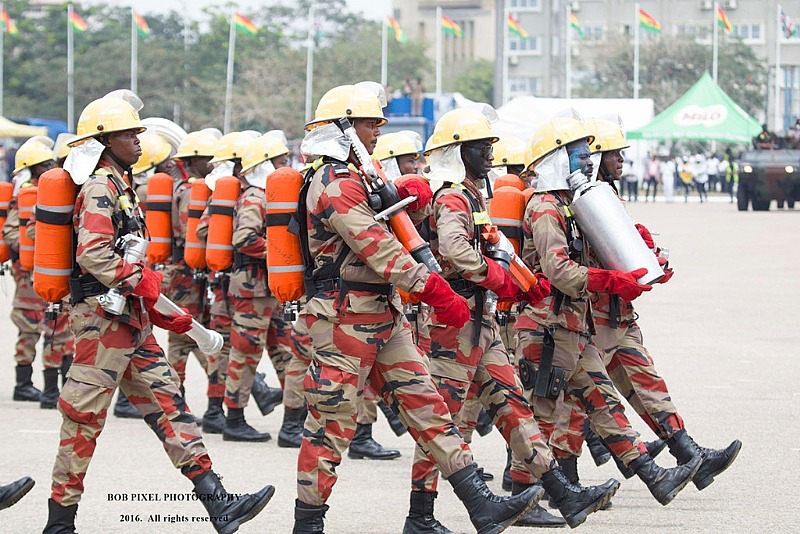
Ghana's firefighting challenges extend far beyond the Ghana National Fire Service itself. The October 1 Avenor inferno has reignited a critical conversation about fire safety infrastructure, but one that demands honest reflection from government, businesses, and citizens alike—not just criticism of frontline responders.
When major fires ravage our communities, public anger typically targets the GNFS first. Yet this instinctive blame often obscures a harder truth: firefighters are being asked to perform miracles with inadequate tools, inaccessible routes, and compromised infrastructure. At Avenor, responders faced obstructed roads, blocked structures, and empty fire hydrants. Equipment limitations became irrelevant when tenders could not physically reach the flames.
The Infrastructure Crisis Holding Back Firefighters
The GNFS operates under constraints that no amount of heroism can overcome. The service's mandate spans fire prevention, public education, emergency response, rescue operations, and suppression. Yet it attempts this across Ghana with aging vehicles, insufficient equipment, unreliable water sources, and emergency routes routinely blocked by illegal structures and parked vehicles.
Government has acknowledged these gaps. In 2025, the Interior Ministry announced plans to procure 100 new fire tenders and assorted equipment, with GH¢150 million allocated in the 2026 budget. In May 2026, Interior Minister Mohammed-Mubarak Muntaka stated that procurement processes were advanced. However, these announcements represent potential—not yet reality. The critical test lies in whether equipment actually reaches stations, reaches them promptly, remains properly maintained, and functions when emergencies occur.
Beyond vehicles, Ghana's firefighting system requires accessible hydrants with reliable water supply, communication systems, protective equipment, and specialised apparatus for industrial fires and high-rise buildings. These foundational requirements remain incomplete across most of the country.
Citizens and Institutions Share the Responsibility
Yet infrastructure alone cannot solve Ghana's fire crisis. Citizens, property owners, and local authorities bear equal responsibility for creating conditions where firefighters can operate effectively.
- Illegal structures: Buildings erected on emergency access routes or around fire hydrants directly obstruct response efforts
- Building code violations: Properties constructed in undesignated areas without fire-safety compliance create preventable hazards
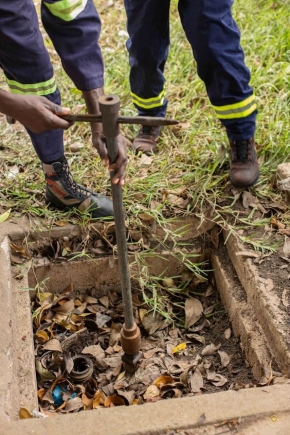
- Hydrant maintenance: Empty or inaccessible fire hydrants—as found at Avenor—eliminate critical water sources when fires erupt
- Road obstruction: Parked vehicles, market stalls, and informal structures block emergency routes routinely
The Interior Ministry has correctly framed fire safety as a shared responsibility, calling on Ghanaians and institutions to comply with existing fire-safety laws. This is not rhetoric—it is operational reality. When hydrants are empty or blocked, firefighters cannot conjure water from thin air. When roads are impassable, tenders cannot advance. When structures crowd emergency access points, firefighters must waste critical time clearing paths rather than fighting flames.
What This Means for Ghana's Fire Future
Three imperatives emerge from the Avenor incident. First, government must follow through on retooling promises. The GH¢150 million budget allocation means nothing if procurement stalls, if new equipment sits in depots, or if distribution favours political connections over operational need. Fire service modernisation must be treated as essential infrastructure investment, not political talking points.
Second, local authorities must enforce building codes and maintain clear emergency routes. This requires political will to demolish illegal structures blocking access routes, prosecute builders violating fire-safety standards, and maintain accessible fire hydrants with reliable water supply.
Third, citizens must recognise that fire safety is collective defence. Blocking a hydrant or parking on an emergency route does not merely inconvenience firefighters—it potentially costs lives. Constructing illegal structures in unplanned areas does not simply create slums; it creates tinderboxes where fires spread faster and firefighters cannot operate.
Firefighters perform extraordinarily dangerous work under conditions most of us cannot imagine. They deserve modern equipment, reliable infrastructure, and clear operational environments. But they also deserve a society that recognises fire safety is not their responsibility alone. Until Ghana's citizens, property owners, and local authorities accept their share of responsibility, even the best-equipped fire service will struggle against preventable disasters.
Source: The Ghana Report


Comments (0)
Be the first to comment.