
Mahama orders Tema Assembly and TDC to end bitter development control row within 14 days
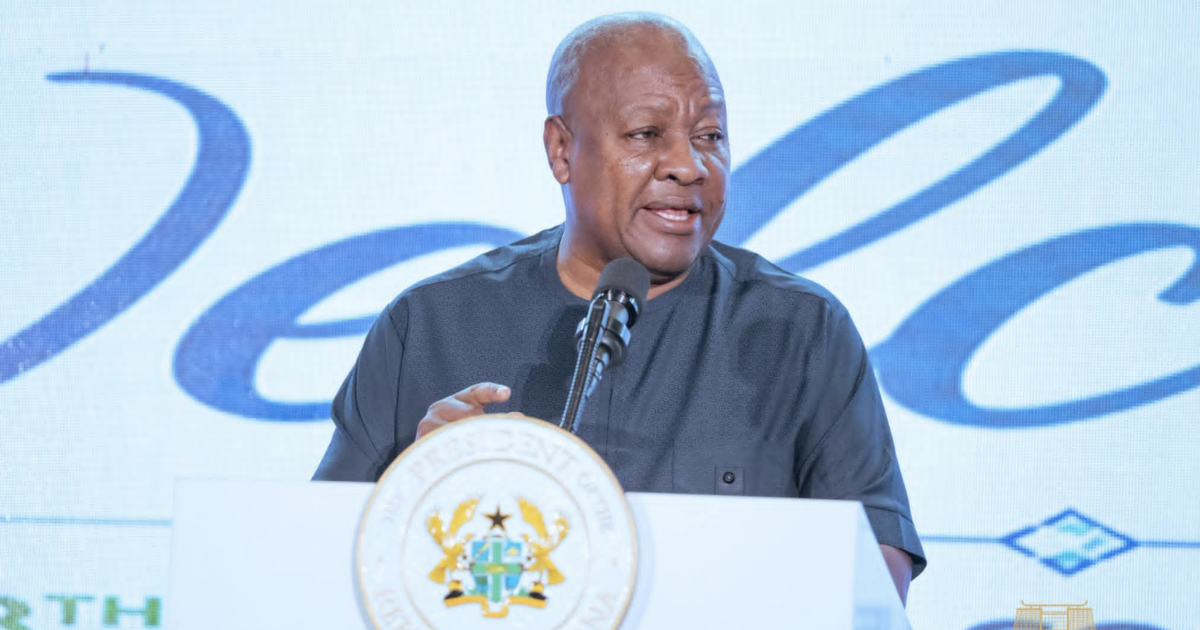

President John Dramani Mahama has stepped in to resolve a prolonged institutional standoff between the Tema Metropolitan Assembly (TMA) and TDC Ghana Limited, issuing a 14-day ultimatum for both parties to establish a clear operational framework and end their dispute over development control and building permits.
The presidential directive, contained in a letter from the Office of the President dated 28 August 2026, tasks the Minister for Works, Housing and Water Resources, Ahmed Ibrahim, and the Minister for Local Government, Chieftaincy and Religious Affairs, Mahama Ayariga, with convening urgent talks between the two institutions. Both ministers must submit an agreed administrative and operational framework, along with a comprehensive report on outstanding issues, within the specified period.
The core of the dispute
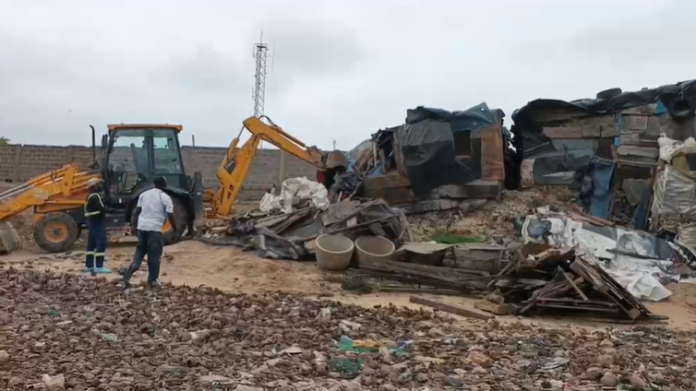
The conflict between TMA and TDC intensified following the Assembly's issuance of a stop-work order and demolition of portions of structures at a TDC development project at Community One, Sites 3 and 8. TMA argued the project had commenced without necessary permits, whilst TDC contended it held a separate statutory mandate to plan, develop and manage the Tema Acquisition Area. This disagreement exposed a fundamental institutional ambiguity about which body holds ultimate authority over development control in the metropolis.
The proposed resolution framework must address several critical areas: development permitting processes, infrastructure coordination between the two bodies, clarity on revenue obligations, information-sharing protocols, mechanisms for dispute resolution, and provisions for regular engagement between TMA and TDC.
Presidential clarification on institutional roles
In his directive, President Mahama definitively established TMA as the highest political and administrative authority within the Tema Metropolis, affirming its responsibility for overall development, human settlements, municipal services, revenue mobilisation and local planning. The TMA has been confirmed as the local planning authority responsible for regulating physical development and issuing all development and building permits within its jurisdiction.
TDC, by contrast, has been characterised as a commercially oriented real estate developer rather than a municipal, legislative or planning authority. The company has been directed to comply fully with TMA's statutory powers over development control, spatial planning, permits, municipal services, rates, fees and other regulatory matters.
However, the Presidency has cautioned TMA against using its regulatory authority as a pretext for obstruction. The Assembly must exercise its powers fairly, transparently and strictly in accordance with the law, without unnecessarily hindering legitimate development, investment or TDC's commercial activities. Both institutions have been warned against assuming functions legally assigned to the other.
Why it matters for Ghana
This dispute reflects a broader challenge facing Ghana's local governance and development framework. Tema, as a major industrial and commercial hub serving the Port of Tema and Greater Accra, requires clear institutional coordination to support investment and infrastructure development. Ambiguous lines of authority between planning assemblies and development authorities can stall projects, deter investors and create costly litigation.
The presidential intervention signals commitment to strengthening institutional clarity and rule of law in local government, whilst balancing the need for regulatory oversight with legitimate commercial development. A successful resolution could serve as a model for other metropolitan areas facing similar disputes between assemblies and development authorities.
Pending resolution, both institutions have been ordered to halt all actions, public statements and media engagements that could worsen the dispute. President Mahama has warned that further institutional conflict, public confrontation or non-compliance with his directive will be viewed seriously, underlining the gravity with which the Presidency treats administrative cooperation and adherence to established governance structures.
Source: MyJoyOnline


Comments (0)
Be the first to comment.