
President Mahama steps in to halt Tema development dispute between TMA and TDC
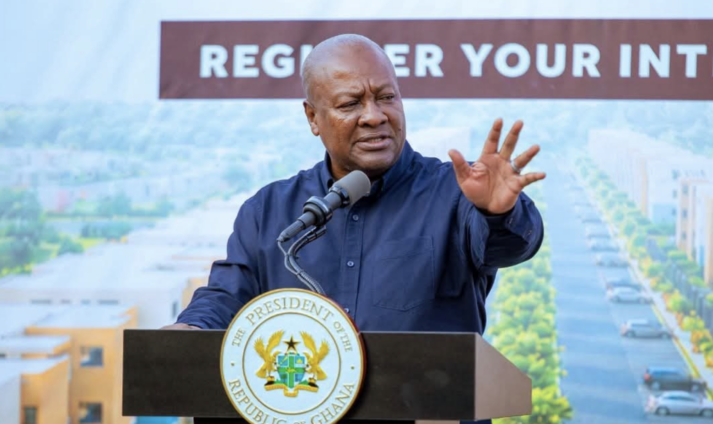

President John Dramani Mahama's office has intervened in an escalating dispute between the Tema Metropolitan Assembly (TMA) and TDC Ghana Limited, directing both institutions to cease hostilities and establish a workable framework for collaboration. The presidential directive, issued in a letter dated 28 August 2026, clarifies the respective roles of each body whilst warning of serious consequences for non-compliance.
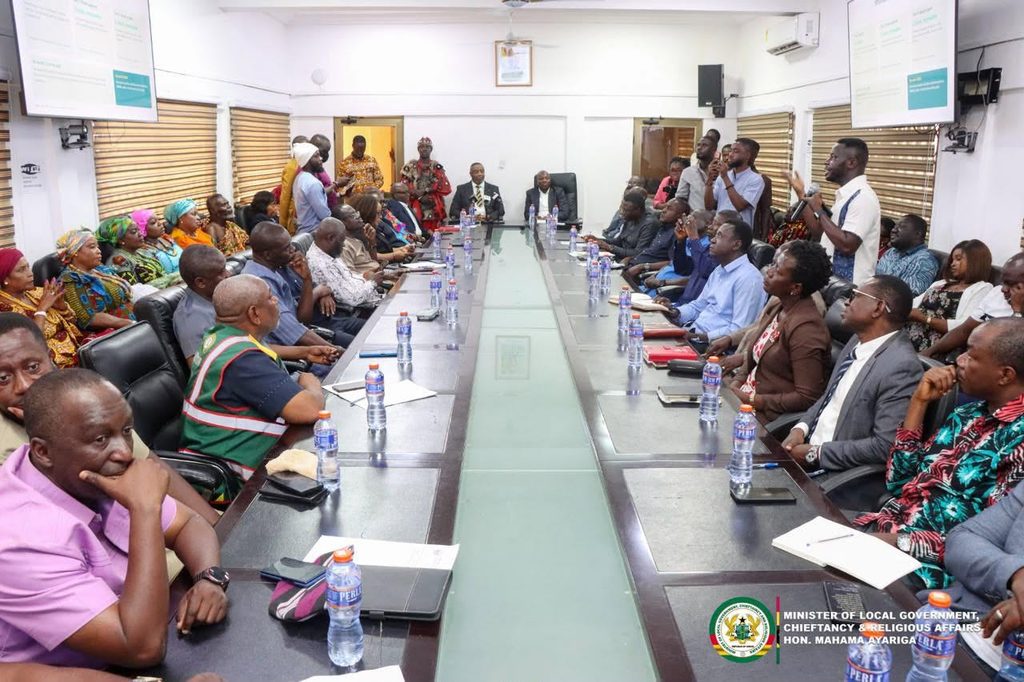
The confrontation centres on overlapping authority within the Tema Metropolis, where a recent demolition order by the TMA at Community One sparked the crisis. The Assembly had issued a stop-work order and demolished structures at the site, asserting that construction had proceeded without mandatory development permits. TDC subsequently escalated the matter by petitioning the Ministers for Works, Housing and Water Resources and Local Government, signalling the conflict had reached cabinet level before presidential intervention.
The core disagreement: statutory mandate versus planning authority
At the heart of this dispute lies a fundamental question about who holds ultimate development authority in Tema. The TMA contends it is the supreme political and administrative body responsible for overall metropolis development, human settlements, municipal services and local planning. This position is now reinforced by the Presidency's official stance, which recognises the Assembly as the lawful planning authority with power to issue development and building permits.
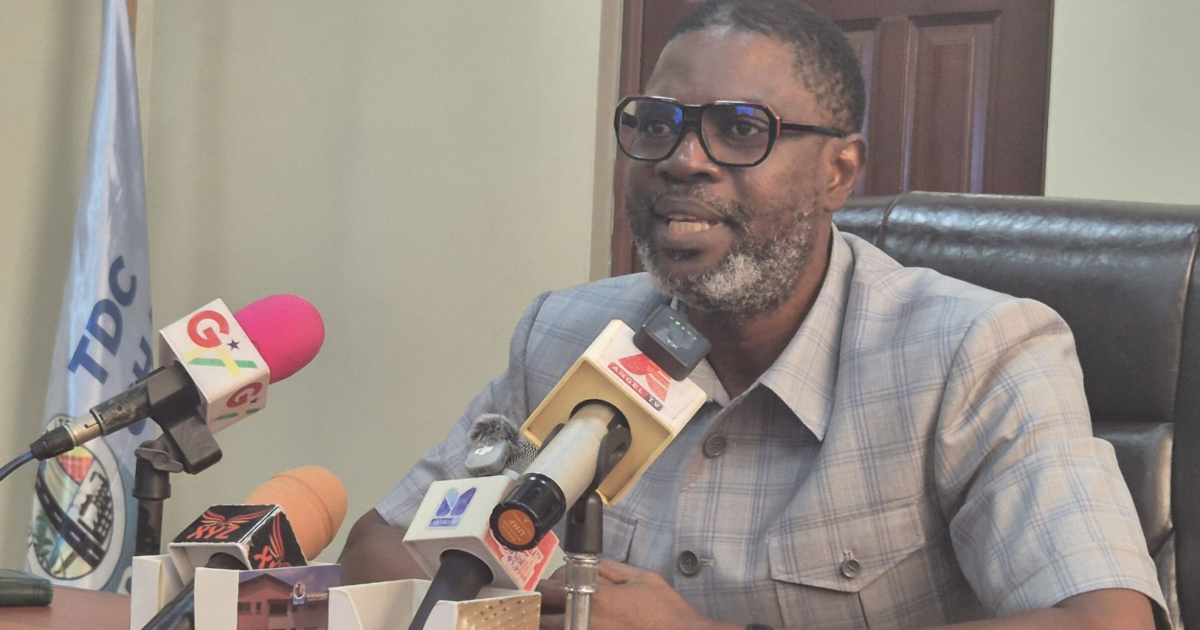
TDC, however, traces its mandate to 1952, when the original Tema Development Corporation was established to construct the new township and port. The company argues it retains statutory responsibility for planning and laying out development across approximately 63 square miles of the Tema Acquisition Area—land compulsorily acquired from local traditional authorities and leased to TDC for 125 years. Although municipal functions were transferred to the Tema District Assembly in 1989, TDC maintains that its separate statutory and proprietary interests remain valid and must be exercised alongside the Assembly's planning powers.
TDC has previously cited a Joint Technical Evaluation Committee established between itself and local assemblies as evidence of an existing coordination mechanism, suggesting the two institutions should operate in tandem rather than under unilateral Assembly control.
Why it matters for Ghana
This dispute has direct implications for Ghana's development governance and investor confidence in state institutions. Tema is the nation's premier port and a key industrial and commercial hub; clarity on planning authority is essential for the smooth functioning of the economy. The conflict also reflects broader tensions within Ghana's decentralisation framework, where central government entities and local authorities sometimes hold overlapping mandates without clear demarcation.
For residents and businesses in Tema, the uncertainty has proven costly. Complaints preceded the demolition, with residents reporting unauthorised tree-felling, removal of community facilities, and obstruction of access—concerns that suggest either institutional breakdown or one party acting beyond legitimate scope. The presidential intervention signals that such disputes threaten national interests and cannot be resolved through institutional brinksmanship alone.
The Presidency's order affirms the TMA's primacy in planning and development control, a position that should reassure local government advocates but may frustrate TDC's claims to independent statutory authority. Going forward, both bodies must cooperate fully to establish operational guidelines that honour both the Assembly's planning mandate and TDC's historical role as a state developer. The Presidency has warned sternly that further conflict or public confrontation will be regarded as a serious breach of presidential directive.
Source: Today GH


Comments (0)
Be the first to comment.