
Mahama Orders Mandatory Retirement of State-Owned Enterprise CEOs Aged 60 and Above
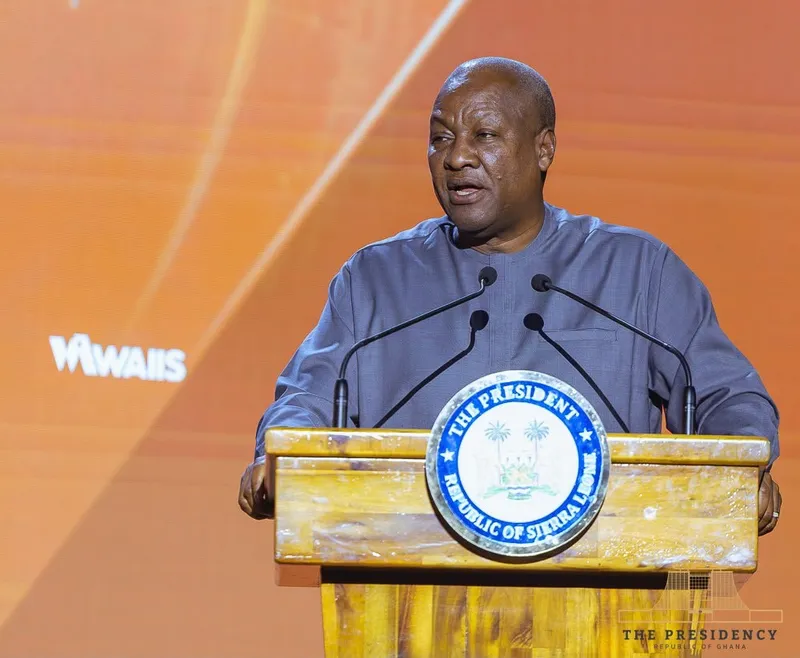

President John Dramani Mahama has issued a sweeping directive ordering the compulsory retirement of chief executive officers and heads of state-owned enterprises and public institutions who are 60 years of age or older. The directive, contained in a letter dated 23rd November 2026 and signed by the Secretary to the President, Dr Callistus Mahama, was addressed to all Ministers of State, instructing them to ensure immediate compliance within their respective sectors and portfolios.
What the directive says
The presidential directive places the responsibility squarely on sector ministers to identify and act on cases where chief executives under their supervision have reached the mandatory retirement age. By channelling the directive through ministers rather than directly to the affected institutions, the presidency is signalling a top-down enforcement approach designed to close loopholes that have historically allowed public sector officials to remain in post well beyond the stipulated retirement threshold.
While Ghana's public service has long operated with a mandatory retirement age framework, enforcement has been inconsistent across state-owned enterprises and public boards. Critics and governance observers have for years noted that some appointees — particularly those with political backing — have managed to extend their tenures through various administrative arrangements, undermining institutional renewal and succession planning.
Why it matters for Ghana
The directive carries significant implications for public sector governance in Ghana. State-owned enterprises, ranging from utility companies to financial institutions and regulatory bodies, employ thousands of Ghanaians and manage billions of cedis in public assets. When leadership at the top stagnates, it can slow institutional reform, reduce accountability, and block the advancement of younger, qualified professionals within those organisations.
Enforcing retirement age rules is also widely seen as a tool for reducing political patronage in public institutions. By applying a clear age-based criterion uniformly, the government limits the discretion available to protect loyalists who have outlasted their legitimate tenure. For ordinary Ghanaians who depend on public services, fresh and accountable leadership at state enterprises can translate into improved service delivery over time.
Beyond governance, the move aligns with broader efforts by the Mahama administration to reset the culture of public service following its return to power. Reforming how state institutions are led and managed has been a recurring theme in the administration's early policy signals.
Reactions and what comes next
The directive is expected to trigger a review process across multiple ministries as sector ministers audit the ages and contract statuses of chief executives within their portfolios. It is not yet clear how many sitting CEOs and institutional heads will be directly affected, but given the breadth of Ghana's public sector, the number could be considerable.
Governance advocates are likely to welcome the move as a positive step, though some will watch closely to see whether enforcement is applied consistently regardless of political affiliation. Past attempts at public sector reform in Ghana have sometimes faltered at the implementation stage, making follow-through the true measure of this directive's impact.
- Ministers are required to identify and act on CEOs who have reached or passed 60 years of age.
- The letter was signed by Presidential Secretary Dr Callistus Mahama and sent to all Ministers of State.
- Consistent enforcement is seen as key to whether the directive achieves meaningful governance reform.
Source: 3News





Comments (0)
Be the first to comment.