Mahama government doubles stadium expansion plan to ten venues nationwide
.jpg)
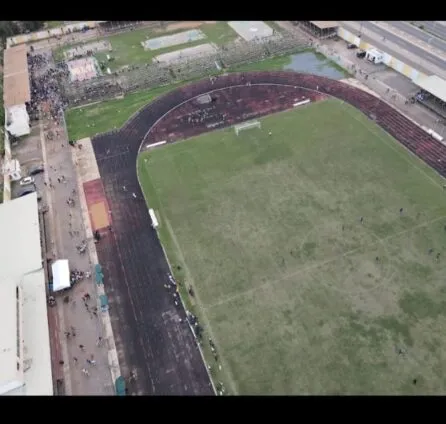
President John Dramani Mahama's administration has significantly expanded its sports infrastructure ambitions, with plans to construct ten new mini stadiums across Ghana instead of the originally proposed six, Sports Minister Kofi Adams has announced. The decision represents a substantial increase in the government's commitment to grassroots sports development and regional athletic facilities.
The expansion of the stadium project signals the administration's determination to decentralise sports infrastructure beyond major urban centres, addressing long-standing disparities in facility access across Ghana's regions. Mini stadiums typically accommodate lower spectator capacities than full-scale venues, making them suitable for district and regional level competitions, training facilities, and community sports programmes.
What the expansion means for Ghana's sports sector
The doubling of the project scope from six to ten stadiums indicates increased budgetary allocation and a broader geographical footprint for the initiative. Such facilities are crucial for developing talent pipelines at grassroots level, particularly in regions that have historically lacked adequate sporting infrastructure. These venues could serve as hubs for youth development programmes, athletics training, and local football competitions that form the foundation of Ghana's sporting ecosystem.
Mini stadiums also generate economic activity at district level by attracting local and regional sporting events, creating employment opportunities in construction, management, and event organisation. They provide venues for schools and community organisations to host inter-school competitions and athletic festivals, strengthening the link between education and sports development.
The broader context for Ghana's sports infrastructure
Ghana's sports sector has faced persistent challenges with facility limitations, particularly outside Accra and Kumasi. Existing major stadiums—including the Accra Sports Stadium and various regional facilities—often operate at capacity during major events, creating a bottleneck for competitions and training. The ten-stadium project addresses this infrastructure gap by ensuring more regions have dedicated sporting venues.
The announcement comes amid renewed focus on sports development following Ghana's participation in continental and international competitions. Improved grassroots facilities can strengthen the pipeline for the Black Stars and other national teams by providing better training and development opportunities for young athletes. Additionally, decentralised stadiums reduce travel costs and logistical burdens for regional teams and competitors.
Implementation and next steps
While Minister Adams has announced the expanded plan, specific details regarding the locations of the ten stadiums, expected completion timelines, and project funding mechanisms remain to be disclosed. The government will likely release more detailed information through the Ministry of Youth and Sports regarding site selection, construction contracts, and infrastructure specifications.
The success of this initiative will depend on adequate resource allocation, transparent procurement processes, and post-completion maintenance arrangements. Government sports infrastructure projects require sustained funding for upkeep to ensure facilities remain functional and accessible to communities over the long term.
This expansion demonstrates the current administration's recognition that sports development requires distributed investment across regions rather than concentration in major cities, potentially reshaping how grassroots sports are organised and accessed throughout Ghana.
Source: 3News


Comments (0)
Be the first to comment.