
Ghana's Sports Minister pushes for unified African sports framework at international forum
-800x519.webp)

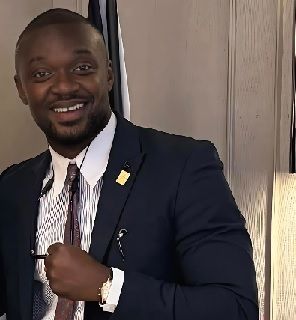
Ghana's Minister for Sports and Recreation, Kofi Iddie Adams, has made a strong case for continental sports integration at an international forum in Russia, arguing that African nations must remove barriers hindering athlete mobility and create more equitable sporting systems.
Speaking on a platform addressing global sports governance, Minister Adams championed three interconnected priorities: streamlining cross-border movement for African athletes, establishing fairer anti-doping protocols, and building sustainable financing models that do not drain developing nations' resources.
Breaking down barriers for African athletes
The minister's call for borderless movement reflects ongoing frustrations within African sports. Currently, athletes competing across continental borders face visa delays, bureaucratic hurdles and inconsistent documentation requirements that can derail careers and keep talent sidelined. By advocating for easier passage, Adams is essentially pushing for an African sports passport or streamlined athlete mobility framework—similar to arrangements that benefit European athletes within EU frameworks.
Such reforms could unlock significant potential. Many African athletes train and compete across multiple nations, yet administrative friction wastes time and resources. A coordinated approach would allow talent scouts to move freely, enable coaching staff mobility and facilitate tournament participation without the current logistical nightmares.
Anti-doping fairness and sustainable funding
Minister Adams also raised concerns about anti-doping procedures. His emphasis on fairness suggests frustration with how testing and sanctions are administered across African nations—where some countries lack resources for proper testing infrastructure while others face accusations of inconsistent rule application. More transparent, equitable anti-doping standards could protect African athletes from discriminatory practices and ensure level playing fields.
On financing, Adams stressed the need for dependable models. Many African sports federations struggle with unpredictable funding, forcing reliance on inconsistent government budgets or single corporate sponsors. Sustainable models might include continental sports funds, revenue-sharing from continental competitions like AFCON, and investment frameworks that do not burden individual nations disproportionately.
Why it matters for Ghana
Ghana has a strong sports tradition, particularly in football and athletics. However, Ghanaian athletes often encounter the same mobility and financing barriers Adams described. For instance, Ghanaian footballers seeking transfers abroad face visa complications; young athletes lack consistent training grants; and local sports bodies operate with uncertain budgets.
If such continental reforms gain traction, Ghana stands to benefit significantly. Easier athlete movement could boost talent development and international competitiveness. Fairer anti-doping protocols protect Ghanaian competitors from arbitrary sanctions. And sustainable financing models would strengthen local sports infrastructure—gyms, training centres and coaching programmes that currently operate hand-to-mouth.
Moreover, Adams's advocacy at an international forum elevates Ghana's profile as a thoughtful voice in African sports governance, potentially positioning the nation to influence regional sports policy and secure preferential access to continental funding schemes.
The minister's push also aligns with broader African integration goals under the African Continental Free Trade Area (AfCFTA), which theoretically facilitates free movement of people and services. Extending such principles to sports could unlock enormous potential for the continent's 1.3 billion people and millions of aspiring athletes currently held back by artificial borders.
Source: 3News

-1200x675.webp)

Comments (0)
Be the first to comment.