Ghana's Stadium Crisis: Crumbling Pitches Threaten Football Dreams and International Hosting Bids
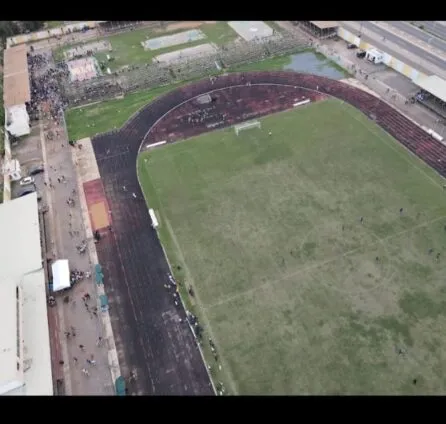
Ghana's football legacy and ambitions to host prestigious international tournaments are being undermined by widespread neglect of stadiums and playing fields, a crisis that extends far beyond cosmetic concerns to threaten the sport's future in the country.
From damaged pitches with poor drainage and uneven surfaces to deteriorating stadiums lacking basic amenities, the state of Ghana's sporting infrastructure has become a pressing issue. Many venues fall short of the stringent international standards required to host continental or global competitions, whilst local teams and young players struggle to train on unsafe or substandard facilities.
The Full Scope of Decay
The maintenance problem affects every level of football infrastructure. Playing surfaces are severely compromised, with inadequate drainage systems and neglected grass creating hazardous conditions that increase injury risks. But the decay extends throughout stadiums themselves. Seating areas are deteriorating, changing rooms are substandard, floodlights are non-functional, and sanitation facilities fail to meet basic requirements.
This systemic neglect has real consequences. Poor pitch conditions directly impact match quality and player safety. More insidiously, it hinders the development of young talent, as aspiring footballers lack access to quality training grounds. When youth are forced to practise on unsafe surfaces, their technical development suffers, potentially costing Ghana talented players who could elevate the national game.
Why It Matters for Ghana
Ghana's football pedigree is undeniable, and the nation has previously demonstrated the capacity to host major events. However, maintaining that reputation requires consistent investment and professional management, not last-minute scrambles when a tournament approaches.
The current approach—neglecting facilities year-round and only prioritising maintenance when Ghana bids to host a competition—is both inefficient and damaging. This reactive strategy reduces Ghana's competitiveness in the hosting arena, as international federations increasingly favour nations with proven, well-maintained venues. More critically, it sends a troubling message about how Ghana values its sporting heritage and invests in its young people.
There is also an economic dimension. Quality football infrastructure attracts investment, generates revenue through tourism and broadcasting, and creates employment opportunities. A nation with modern, well-maintained stadiums positions itself as a serious player in African and global football, opening doors to sponsorships, partnerships and competitions that bring financial and developmental benefits.
Building a Sustainable Solution
Sports analysts and supporters consistently advocate for structural reform. Rather than treating maintenance as an emergency response, it should be embedded in Ghana's sporting governance as a permanent, funded priority.
A comprehensive long-term strategy would include:
- Regular inspections and preventive maintenance throughout the year
- Stable, dedicated government funding for sports infrastructure
- Professional pitch management and groundskeeping services
- Clear accountability measures for resource allocation
- Coordinated action between the Ghana Football Association, local authorities and private sector stakeholders
Such an approach requires treating stadium maintenance as an investment in Ghana's sporting future, not an expense to be avoided. The payoff is substantial: enhanced hosting capacity, safer conditions for local clubs and youth players, and a foundation for the sport's sustainable development.
If Ghana can shift its maintenance culture from crisis-driven to proactive, the nation will not only improve its chances of securing major international competitions but also create an ecosystem where local football thrives and young talent can flourish.
Source: The Ghana Report



-4.jpg)
Comments (0)
Be the first to comment.