Mahama Ayariga pledges hands-off approach to chieftaincy affairs
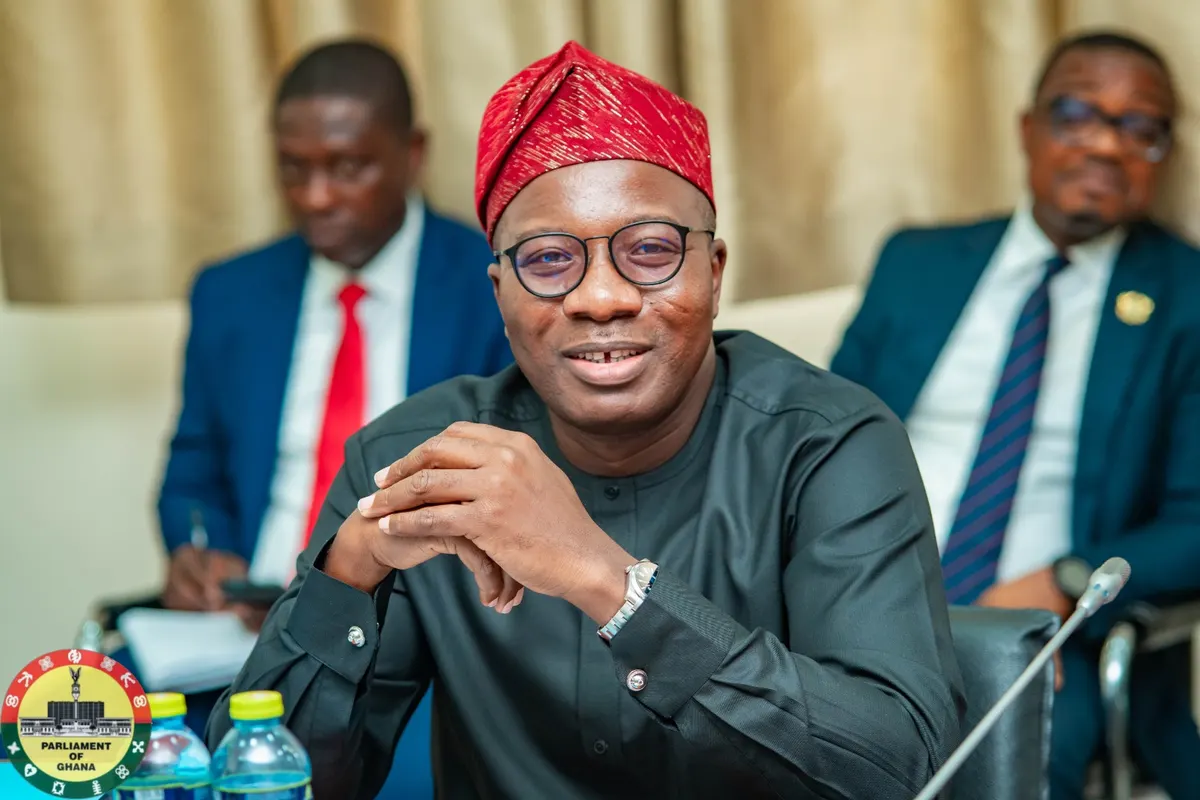
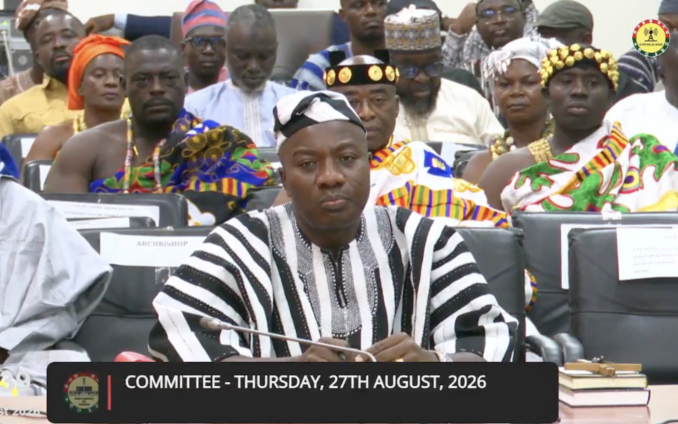
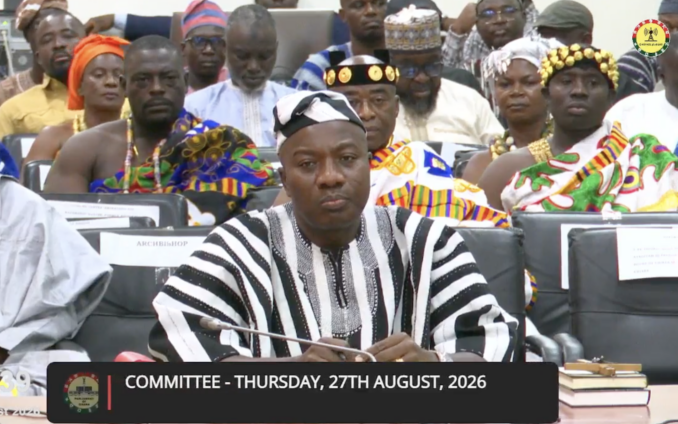
Mahama Ayariga, President John Dramani Mahama's ministerial nominee, has given a firm assurance to Parliament's Appointments Committee that he will not meddle in chieftaincy disputes or traditional governance matters if confirmed as minister. The commitment came during his vetting session, where he sought to allay concerns previously raised by the Mamprugu Traditional Council regarding potential government interference in customary affairs.
The pledge represents a significant statement on the boundaries between executive authority and traditional institutions—a critical distinction in Ghana's governance framework. Chieftaincy disputes have long been a sensitive issue in northern Ghana, where competing claims to stools and skins can escalate into community tensions if not handled with proper neutrality by government officials.
Background: Chieftaincy tensions in northern Ghana
Northern Ghana, particularly the Mamprugu region, has experienced periodic chieftaincy conflicts involving succession disputes and claims to traditional authority. These matters are typically resolved through customary law, the chieftaincy institutions themselves, and in some cases, the courts. Government interference—or the perception of it—can exacerbate divisions and undermine the legitimacy of traditional leadership.
The Mamprugu Traditional Council's initial concerns suggest that either past experience with ministerial overreach or apprehension about Ayariga's tenure prompted them to seek formal reassurance before his confirmation. His willingness to address these concerns directly during vetting signals a collaborative approach between government and traditional authorities.
Why it matters for Ghana
Ayariga's commitment carries weight beyond a single ministerial portfolio. Ghana's stability depends partly on respect for traditional institutions and clear separation between state and customary governance. The chieftaincy institution remains deeply embedded in Ghanaian social and cultural life, particularly in rural areas, and commands loyalty and authority that government officials must navigate carefully.
The vetting process itself demonstrates Parliament's role in holding appointees accountable to constituent concerns before they assume office. When traditional councils voice concerns, Parliament's willingness to hear them signals that chieftaincy issues are treated as matters of public importance rather than private disputes. This approach helps prevent the kind of government meddling that has historically fuelled resentment in communities.
For the Northern Region specifically, ministerial assurance on this matter is reassuring. Ayariga's portfolio responsibilities likely include development, education, health or other areas affecting the north, but his explicit non-interference pledge clarifies that these duties will not be used as leverage in chieftaincy matters or to favour particular traditional factions.
What comes next
Ayariga's confirmation by Parliament will formalise this commitment. Should he face pressure from any faction seeking his intervention in chieftaincy disputes, his public pledge provides both a principled stand and a measurable standard by which his conduct can be judged. Parliament and the public will be watching.
Ghana's experience with ministerial overreach in chieftaincy affairs has been mixed across previous administrations. Establishing clear norms—such as Ayariga's stated position—helps prevent future erosion of traditional authority and protects the independence of customary institutions.
Source: 3News
Comments (0)
Be the first to comment.