
LPG Prices Set to Surge by Over 21%: What Ghanaian Households Need to Know


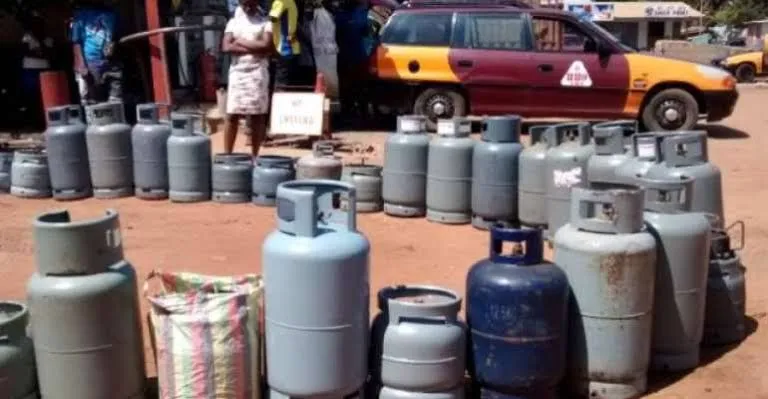
Ghanaian households that rely on Liquefied Petroleum Gas (LPG) for their daily cooking needs are bracing for a significant financial shock, as prices are projected to increase by 21.10%. The anticipated surge threatens to deepen the cost-of-living pressures that many families across the country are already grappling with, and could push some lower-income households back towards cheaper but more hazardous cooking alternatives such as charcoal and firewood.
A Costly Blow to Everyday Families
For millions of Ghanaians, LPG has become a central part of daily domestic life. From urban apartments in Accra and Kumasi to peri-urban communities, the cooking gas cylinder has replaced the traditional charcoal pot for many families who made the switch in pursuit of cleaner, more efficient energy. A price jump of more than 21% therefore carries real and immediate consequences.
When LPG becomes unaffordable, households — particularly those with modest incomes — are forced to make difficult choices. Many revert to biomass fuels, which carry serious health risks including respiratory diseases from indoor smoke exposure. The World Health Organization has long identified household air pollution from cooking fires as one of the leading environmental health threats globally, and Ghana is not immune to this challenge.
Beyond the health dimension, a rise in LPG costs also increases the financial burden on small food vendors, chop bar operators and catering businesses that depend on gas to run their operations. These cost increases are typically passed on to consumers, meaning that even Ghanaians who do not cook with LPG themselves may feel the ripple effects through higher food prices.
Why It Matters for Ghana
Ghana has for years promoted LPG adoption as part of its broader energy and environmental policy goals. Government initiatives have historically sought to expand access to cleaner cooking energy, reduce deforestation caused by charcoal production, and improve public health outcomes. A sharp rise in LPG prices risks undermining years of progress on these fronts.
The projected increase also comes at a sensitive time. Ghana's economy has been navigating a period of fiscal adjustment, and many citizens are still feeling the effects of elevated inflation on food, transport and utilities. Adding a steep rise in cooking gas costs to that mix compounds the strain on household budgets, particularly for low- and middle-income earners.
LPG pricing in Ghana is closely tied to international crude oil and petroleum product prices, as well as the exchange rate between the cedi and the US dollar. When the cedi weakens against the dollar, the cost of importing petroleum products rises accordingly, and that increase is ultimately reflected in the pump and cylinder prices that consumers pay.
What Consumers Can Do
While individual consumers have limited power over global commodity markets or exchange rate movements, there are practical steps households can consider to manage the impact. These include:
- Using energy-efficient cookware such as pressure cookers to reduce overall gas consumption.
- Comparing prices across different LPG retailers and distributors, as margins can vary.
- Buying in bulk or as a group where storage is safe, to take advantage of better per-unit pricing.
- Advocating through consumer groups for government intervention, such as subsidies or price stabilisation measures, particularly for the most vulnerable households.
For now, the projected 21.10% increase serves as a stark reminder of how vulnerable Ghanaian households remain to external economic shocks, and of the urgent need for sustainable, affordable energy solutions that insulate ordinary citizens from price volatility in global markets.
Source: 3News


Comments (0)
Be the first to comment.